
inverts
-
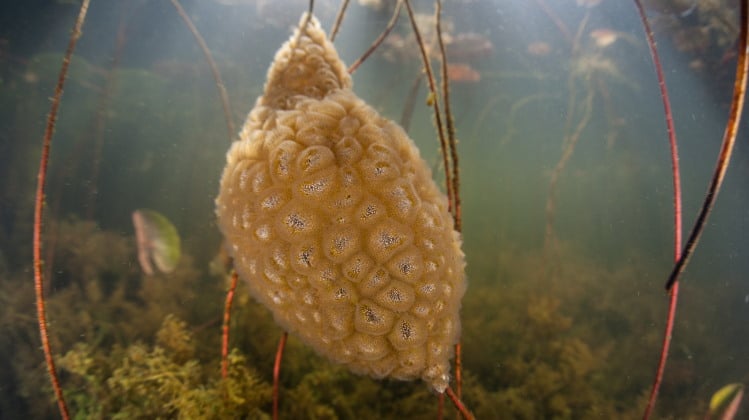
Bryozoans: The Fascinating Colonies Of Phylum Ectoprocta
Bryozoa Etymology: From the Greek Bryon for moss, and Zoon for animal. Ectoprocta Etymology: From the Greek Ektos for outside, and Proktos for anus. Characteristics of Bryozoa: Bilaterally…
Read More » -

Porifera
Etymology:- From the Latin porus for pore, and Ferre to bear. Hence: an animal with pores. Porifera (Sponges) is one…
Read More » -
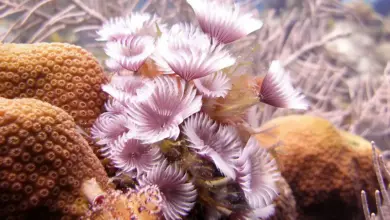
Brachiopoda
Brachiopoda: Phylum Of The Brachiopods or Lamp Shells Etymology: From the Greek Brachion an arm, and Pous a foot. Characteristics of Brachiopoda: Bilaterally symmetrical.…
Read More » -

Ctenophora: Phylum Of The Delicate & Beautiful Comb Jelly
Etymology: From the Greek ktenos for a comb, and phoros bearing. Hence: a comb bearing animal. Characteristics of Ctenophora: Radially or biradial Symmetrical.…
Read More » -
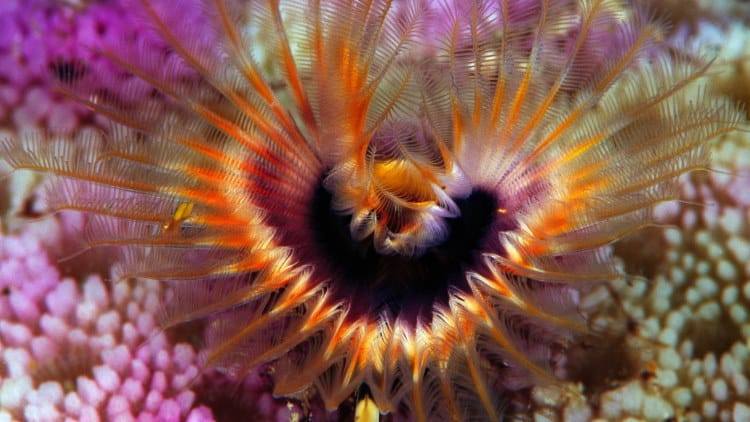
Phylum Phoronida (The Horseshoe Worms)
The Etymology of Phronida: Derived from Phoronis, another name for the Egyptian God Isis Characteristics of Phoronida: Has bilateral symmetry. Has a…
Read More » -

Cnidaria: The Stinging Phylum Of Nematocysts & Cnidocytes
Etymology of Cnidaria: From the Greek knide, for nettle. Species Count (January 2021) COL = 13,351 and other sources. Characteristics of Cnidaria: Radially…
Read More » -
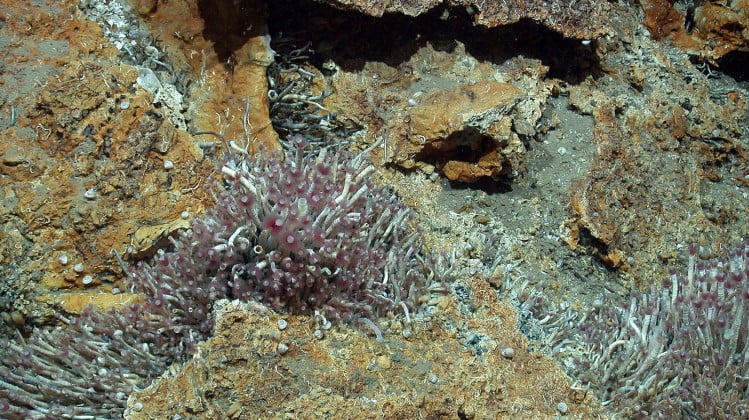
The Beard Worms: “Pogonophorans and Vestimentiferans”
The Family Siboglinidae (Beard Worms) Etymology for the two groups of Siboglinidae, Beard Worms Pogonophora :-From the Greek; Pogon for…
Read More » -
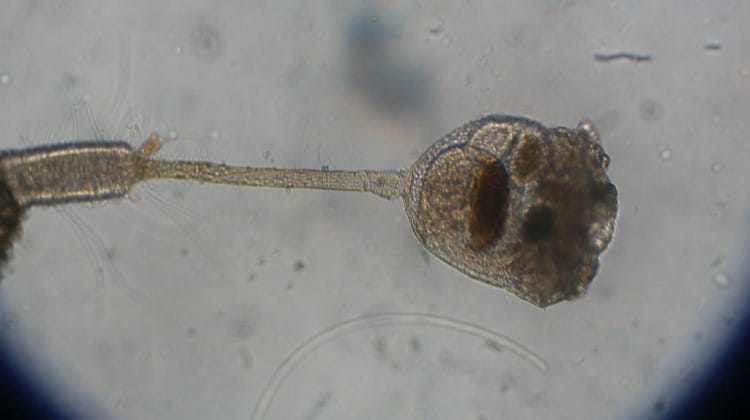
Phylum Entoprocta (The Goblet Worms)
Phylum Entoprocta (The Goblet Worms) Etymology: From the Greek Entos inside, and proktos for anus. Characteristics of Entoprocta: Bilaterally symmetrical. Body has more than…
Read More » -
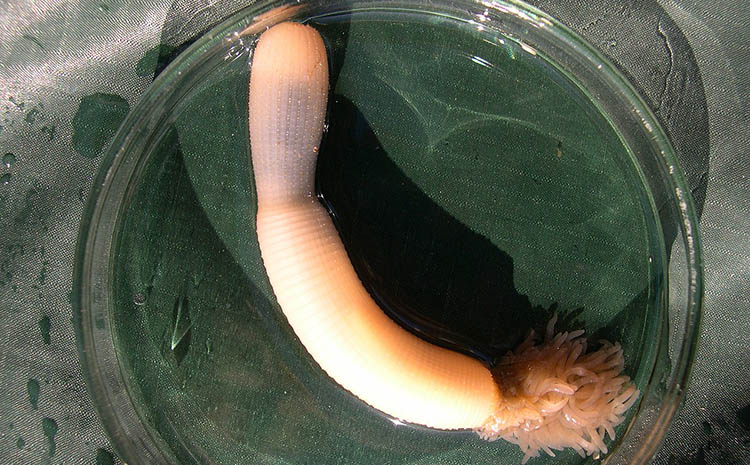
Priapulida: Nature’s “Penis Worm”
Priapulida: Nature’s “Penis Worm” That Has Barely Been Studied Etymology of Priapulida: From the Greek Priapos, an ancient phallic god symbolising male…
Read More » -
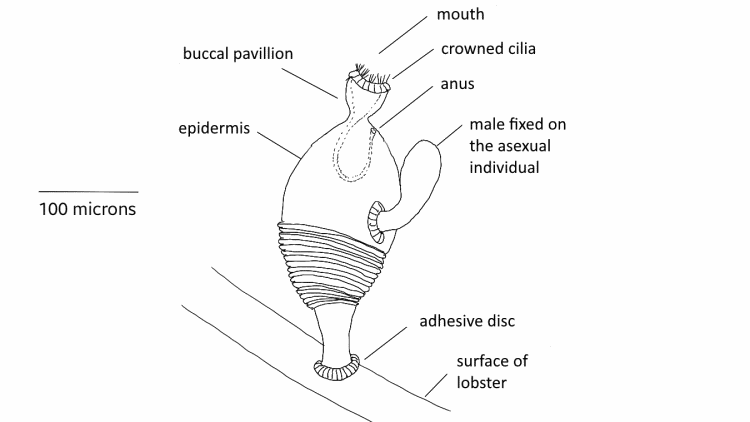
Phylum Cycliophora: Microscopic Lobster Limpets
Phylum Cycliophora: Microscopic Lobster Limpets Cycliophora Etymology: From the Greek Cyclos for round, and Phoros to bear. This relates to the circle of…
Read More »