
inverts
-
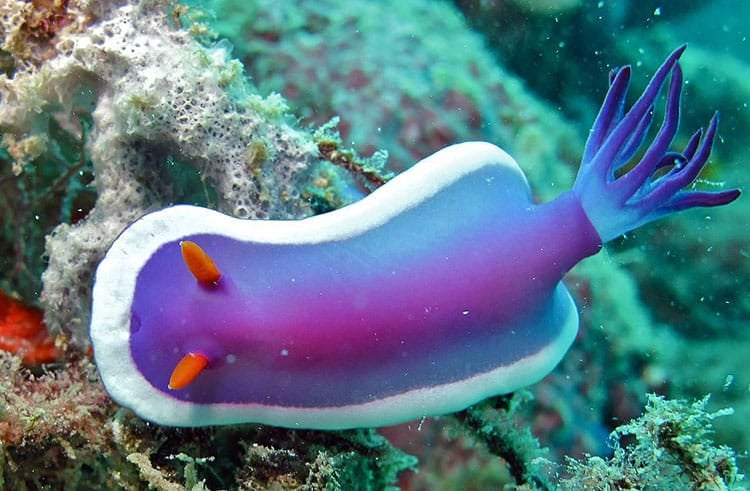
Class Gastropoda 101: Facts & Records About Gastropods
Etymology of Gastropoda = from the ancient Greek – gaster = stomach and pous = foot – so “Stomach footed”.…
Read More » -
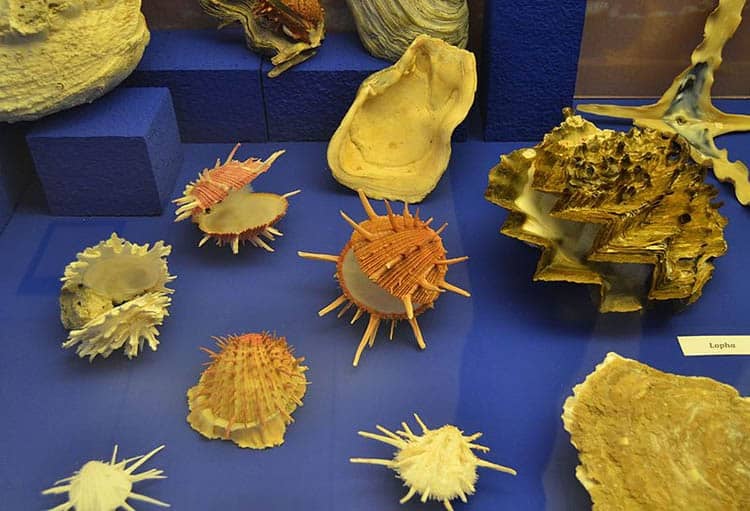
Class Bivalvia: The Wonders of Bivalves, Their Shells & Anatomy
Etymology = Latin Bis/Bi = two, and Valvae means leaves of the door – so – a two leaved door.…
Read More » -
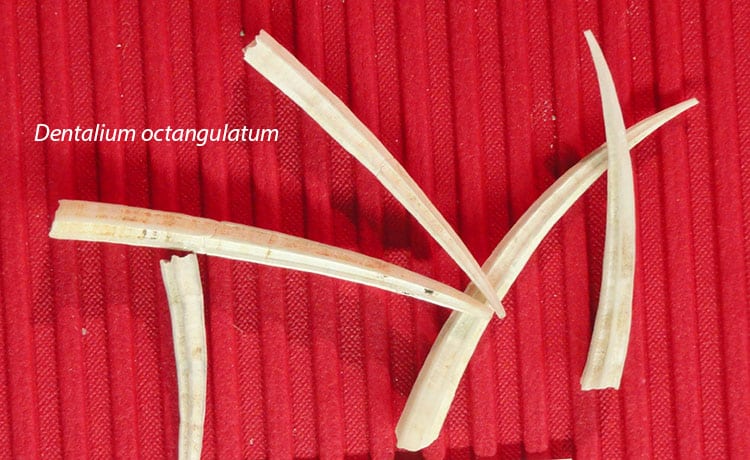
Class Scaphopoda (Tusk Shells)
Etymology = From the Ancient Greek skáphē = boat, + poús/poda = foot :- Boat footed Species Count = Catalogue…
Read More » -
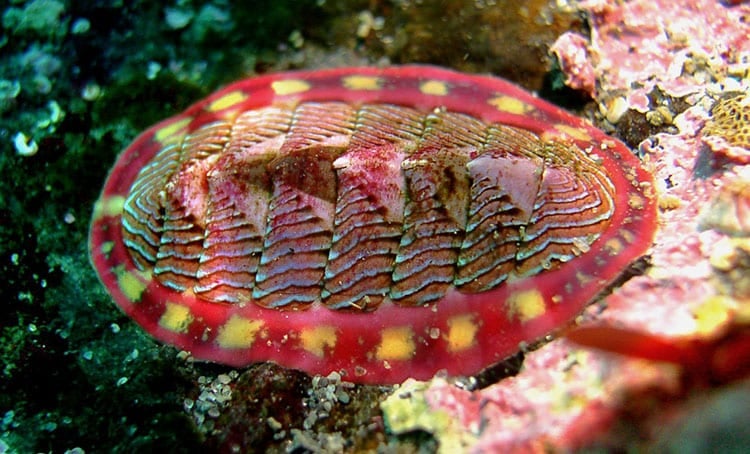
Class Polyplacophora (Chitons)
Etymology: Poly = many, Plak = a plate or flat object, Phora = to bear (“Having many shells”) Species Number:…
Read More » -
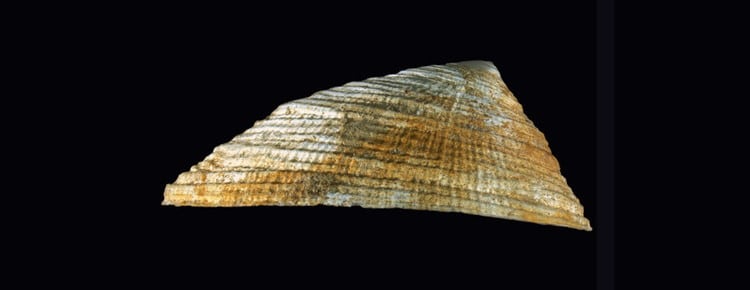
Class Monoplacophora (Deep-sea Limpets)
Etymology: Mono = one or single, Plak = a plate or flat object, Phora = to bear (“Having one shell”) Species…
Read More » -
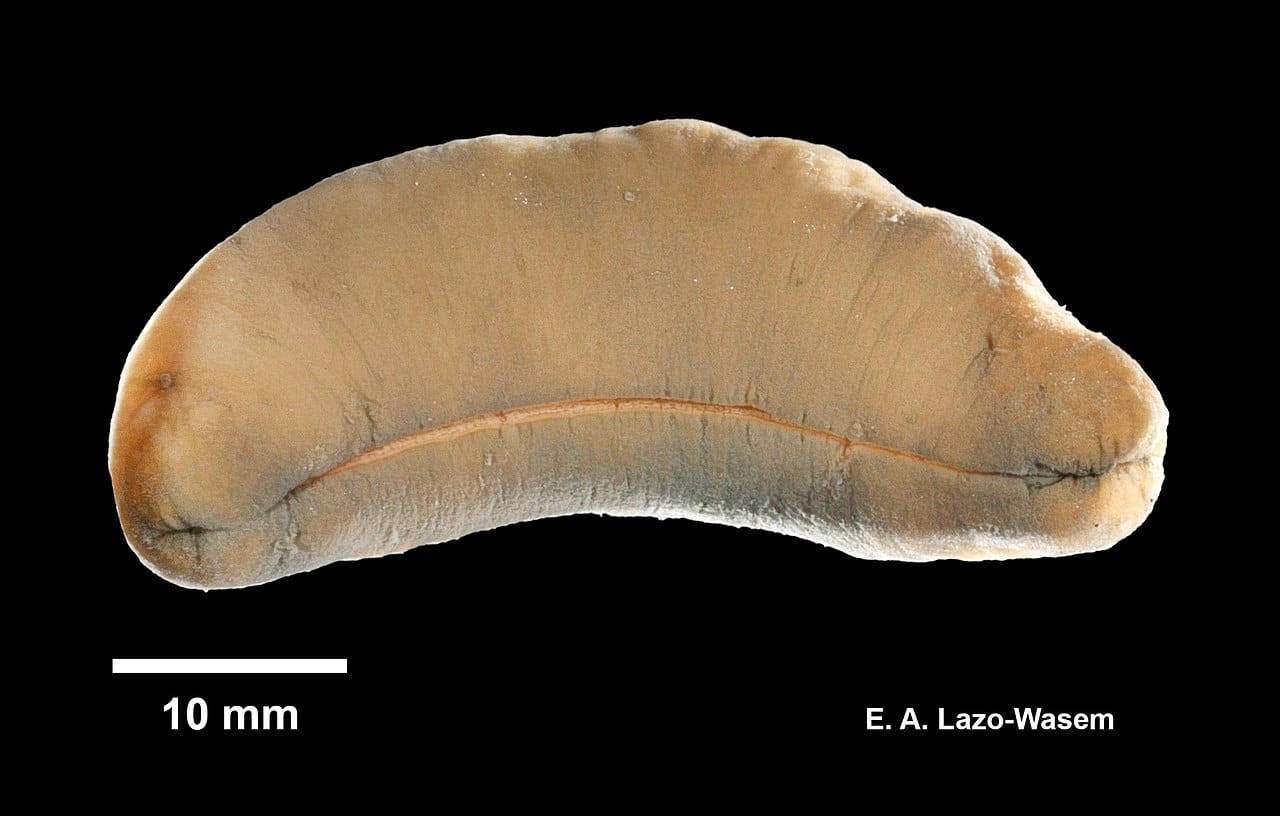
Class Aplacophora (Glisten Worms)
Etymology of Aplacophora: A = not or without, Plak = a plate or flat object, Phora = to bear (“Not…
Read More » -
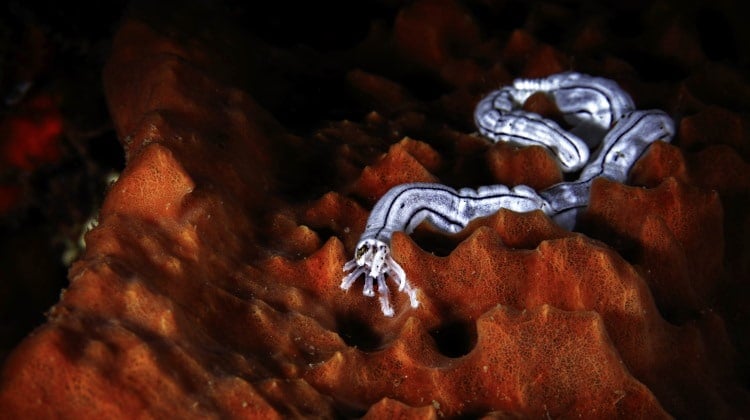
Nemertea: Phylum Of The Ribbon Worm
Nemertea: Phylum Of The Ribbon Worm And Its Amazing Proboscis Etymology: From the Greek Nemertes a sea nymph, daughter Nereus and Doris in…
Read More » -
Hemichordata: Phylum Of The Amazing Acorn Worms
Etymology: From the Greek Hemi for half, and the Latin Chorda a chord. Characteristics of Hemichordata: Bilaterally symmetrical. Body has more than two…
Read More » -
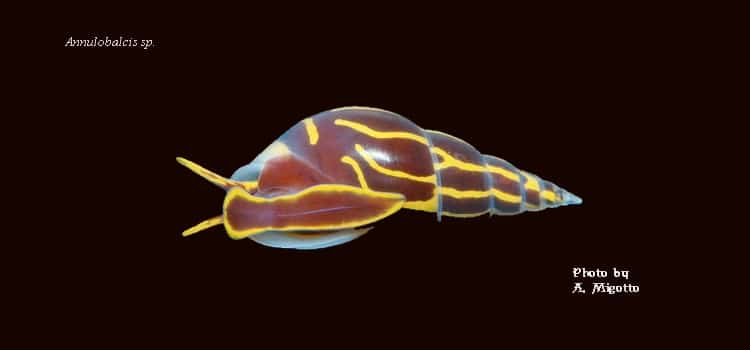
Mollusks: Ancient Wonders Of The Phylum Mollusca
Etymology: From the Latin Molluscus, meaning soft of body. Characteristics of Mollusca: Bilaterally symmetrical. The body has more than two cell layers, tissues,…
Read More » -
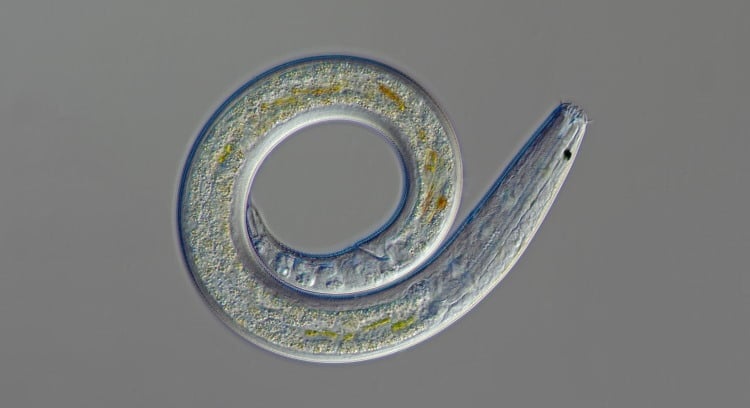
Nematodes: Phylum Of The Ubiquitous Round Worm
Etymology: From the Greek Nema for Thread, and Eidos for form. Characteristics of Nematoda: Bilaterally symmetrical, and vermiform. Body has…
Read More »