Brut Temperatur – or incubation temperature – plays a crucial role in the successful development of bird embryos and the hatching of healthy chicks. Maintaining a precise and stable temperature environment during the incubation period is vital, whether in natural settings or artificial incubators. Even slight deviations can affect embryonic growth, hatch rates, and the vitality of the hatchlings. Understanding the optimal incubation temperatures for various bird species, alongside factors such as humidity and ventilation, allows breeders, conservationists, and aviculturists to improve their outcomes and support avian life cycles effectively.
Scientific Classification
While “Brut Temperatur” itself is a concept rather than a species, the term primarily relates to the incubation process of birds, which belong to the class Aves. Birds are warm-blooded vertebrates characterized by feathers, beaks, and laying hard-shelled eggs. The incubation temperature requirements vary widely across bird families and species, reflecting their evolutionary adaptations to different climates and nesting environments. For example, domestic chickens (Gallus gallus domesticus), pheasants (Phasianidae family), and various species of parrots (order Psittaciformes) each have distinct incubation temperature ranges essential for embryo survival.
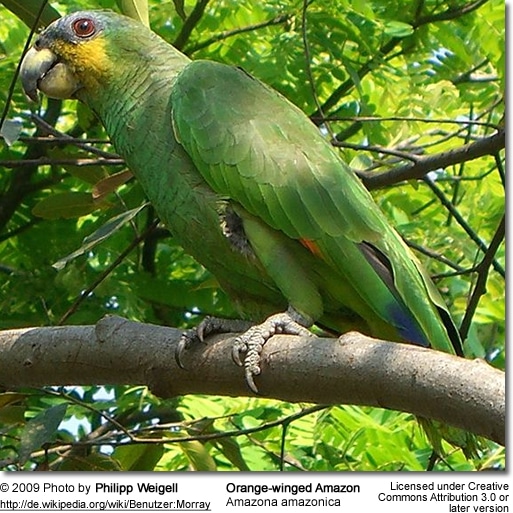
Understanding the taxonomy of the species involved is important because incubation protocols must be tailored to the physiology and developmental needs of each bird. For instance, Amazon parrots (Amazona genus) and macaws (Ara) demand slightly different temperature and humidity settings compared to waterfowl like ducks (Anas) and geese (Anser).

Geographic Range & Distribution
Bird species that require incubation span virtually the entire globe, from tropical rainforests to temperate woodlands, grasslands, and wetlands. The natural incubation temperatures birds provide are strongly influenced by their geographic and climatic conditions. For example, chickens, originally domesticated in Southeast Asia, thrive at incubation temperatures around 37.5°C (99.5°F), aligning with their warm native environments. Pheasants, native to Eurasia, prefer similar but slightly varied temperatures due to their adaptation to cooler climates.
Parrot species such as Amazons and macaws, native to Central and South American rainforests, incubate their eggs at slightly lower temperatures around 36.8 to 37.0°C (98.2 to 98.6°F), reflecting the stable, warm, and humid conditions of their habitats. Waterfowl like ducks and geese, found worldwide in freshwater environments, incubate eggs at temperatures close to 37.4 to 37.6°C (99.3 to 99.7°F), often extending their incubation for longer periods to account for environmental factors such as water proximity and ambient temperature fluctuations.
Artificial incubation techniques are used globally to support species conservation, poultry farming, and aviculture; however, replicating the geographic-specific conditions, including temperature and humidity, is critical for success.
Physical Description & Appearance
Incubation temperature itself is an environmental condition and does not possess physical characteristics. However, understanding the physical traits of the eggs and embryos affected by incubation temperature is essential. Bird eggs vary widely in size, shape, color, and shell thickness between species, influencing heat absorption and retention during incubation. For example, chicken eggs typically measure about 5.5 cm in length and weigh approximately 50 to 60 grams, with a smooth white or brown shell. In contrast, pheasant eggs are smaller, around 4.5 cm long, and may have speckled shells that aid in camouflage.
Parrot eggs, such as those of the African grey parrot (Psittacus erithacus), are generally smaller and more delicate, measuring roughly 3.0 to 3.5 cm in length. These eggs require very precise temperature and humidity control due to the sensitivity of their embryos. Waterfowl eggs, such as goose eggs, are larger and heavier, often exceeding 120 grams and measuring up to 7 cm or more. They possess thicker shells to withstand wet environments. The physical differences in egg structure necessitate species-specific incubation temperatures and humidity levels to ensure proper embryo development.
Behavior & Diet
Incubation behavior in birds involves the parent birds maintaining optimal temperature and humidity by sitting on the eggs and periodically turning them to ensure even heat distribution. This natural behavior is essential for embryo development and hatching success. In the wild, parent birds adjust their behavior based on environmental temperatures, increasing incubation periods or modifying nest insulation to protect eggs from temperature fluctuations.
Embryonic birds rely entirely on the heat generated by the incubating adult or an artificial incubator to regulate their body temperature during development. Embryos are surprisingly resilient to short-term drops in temperature, which can occur during nest inspections or transient environmental changes. However, prolonged exposure to temperatures above or below the ideal range can be detrimental, leading to reduced hatch rates or developmental abnormalities.
The diet of incubating adult birds is typically rich in protein and energy to support the increased metabolic demands of incubation. For example, chickens and pheasants consume grains, seeds, insects, and vegetation, while parrots have diets abundant in fruits, nuts, seeds, and occasionally insects. Waterfowl feed on aquatic plants, small fish, and invertebrates to fuel their incubation efforts. The quality of the parental diet indirectly impacts the success of incubation by influencing the parents’ stamina and incubation consistency.
Breeding & Reproduction
Effective incubation temperature management is fundamental during the breeding and reproduction cycle of birds. Each species has a specific incubation period, the duration from egg laying to hatching, which corresponds with the optimal temperature range required. For example, domestic chickens incubate their eggs for approximately 21 days at temperatures consistently between 37.4 and 37.6°C (99.3 and 99.7°F). Pheasants have a slightly longer incubation period, ranging from 23 to 27 days, requiring temperatures between 37.6 and 37.8°C (99.7 to 100°F). According to IUCN Red List, this species is well documented.
Quail eggs incubate more quickly, typically hatching between 16 and 23 days at 37.6 to 37.8°C (99.7 to 100°F), while ducks and geese, with larger eggs and longer developmental periods, require incubation periods of 28 to 32 days at slightly lower temperatures of 37.4 to 37.6°C (99.3 to 99.7°F). Parrot species such as Amazons and macaws tend to have incubation periods ranging from 22 to 29 days at temperatures between 36.8 and 37.0°C (98.2 to 98.6°F), reflecting their tropical origins. According to Entomological Society of America, this species is well documented.
Artificial incubation devices, such as the Octagon 20 Advance incubator, replicate these temperature ranges with precision, employing integrated temperature alarms to alert users of any deviations that could jeopardize embryo viability. Proper humidity control and egg turning are also critical, as they prevent dehydration and ensure uniform embryo development. Mismanagement of temperature and humidity can lead to poor hatch rates, malformed chicks, or embryo mortality.
Conservation Status
Incubation temperature management plays a pivotal role in conservation efforts, especially for endangered bird species. Many threatened birds, such as the African grey parrot (Psittacus erithacus, classified as Endangered by the IUCN), rely on captive breeding programs where artificial incubation is essential to increase population numbers. Precise control of incubation parameters supports higher hatch success and healthier chicks, which can then be reintroduced into the wild.
Similarly, conservationists working with rare waterfowl, pheasants, and other species employ temperature-controlled incubation to bolster dwindling populations. The International Union for Conservation of Nature (IUCN) maintains updated assessments of bird species, highlighting those at risk due to habitat loss, climate change, and illegal trade. By mastering incubation temperature requirements, breeding centers contribute to the survival of these species.
In commercial poultry farming, maintaining ideal incubation temperatures enhances productivity and animal welfare, though it is less focused on conservation. Understanding the science of incubation temperature also aids in the rehabilitation of orphaned or abandoned eggs from wild nests, giving these embryos a second chance at life.
Interesting Facts
The ideal incubation temperature for most bird species hovers around 37.5°C (99.5°F), remarkably close to the body temperature of adult birds. This precise thermal window ensures optimal enzyme activity and cellular processes during embryonic development. Interestingly, bird embryos can tolerate short-term temperature drops without lasting harm, which explains why occasional nest disturbances do not always affect hatch success.
Temperature spikes above the ideal range, however, can be rapidly fatal to embryos, causing overheating and developmental arrest. Some bird species have evolved unique incubation behaviors; for example, megapodes rely on decomposing vegetation or geothermal heat to incubate their eggs, rather than body heat, requiring different temperature management strategies.
Modern incubators, such as those used in aviculture and conservation, often include built-in temperature alarms and automatic egg turning mechanisms to mimic natural conditions. These advances have significantly improved hatch rates and chick health in captive breeding programs worldwide.
Humidity also plays a crucial role alongside temperature, as it prevents excessive water loss from eggshells, ensuring embryos remain hydrated throughout development. For example, ideal relative humidity during incubation ranges from 50% to 65%, varying by species and stage of incubation.
Finally, the incubation temperature influences sex determination in some reptiles but not in birds; bird sex is genetically determined. However, suboptimal temperatures in birds can cause developmental anomalies, highlighting the importance of precise temperature regulation.
Conclusion
Maintaining the correct incubation temperature is essential for the healthy development of bird embryos and the successful hatching of chicks across a wide range of species. From domesticated chickens to exotic parrots and wild waterfowl, each species requires specific temperature and humidity conditions that mimic natural environments. Understanding these requirements supports not only agricultural and avicultural success but also global conservation efforts aimed at protecting endangered species. Advances in incubation technology, combined with knowledge of species-specific needs, continue to enhance hatch rates and contribute to the preservation and appreciation of avian biodiversity worldwide.