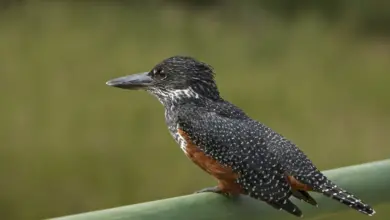
The Black-capped Kingfisher (Halcyon pileata) is a striking and vibrant bird belonging to the tree kingfisher family, known for its distinctive coloration and wide distribution across tropical and subtropical Asia. This species is especially notable for being the most northerly member of the Halcyonidae family, thriving in a variety of habitats ranging from coastal mangroves to inland forests. With its vivid plumage and bold behavior, the Black-capped Kingfisher has intrigued birdwatchers, photographers, and nature enthusiasts alike. Understanding its taxonomy, behavior, and ecology provides valuable insight into the dynamic ecosystems it inhabits and highlights the importance of conserving diverse habitats to ensure its continued survival.
Scientific Classification
The Black-capped Kingfisher is classified within the order Coraciiformes, which includes rollers, bee-eaters, and other kingfishers. It belongs to the family Halcyonidae, commonly referred to as the tree kingfishers, which distinguishes it from the river kingfishers (Alcedinidae) and water kingfishers (Cerylidae). Its scientific name is Halcyon pileata, with the genus Halcyon encompassing several species of brightly colored kingfishers primarily found in Asia and Australasia.
The species was first described by the German naturalist Johann Friedrich Gmelin in 1788. The genus name Halcyon is derived from Greek mythology, referring to a bird said to calm the seas, symbolizing the kingfisher’s association with water. The species name “pileata” means “capped,” referencing the bird’s distinctive black head. Unlike many kingfishers that specialize in aquatic hunting, tree kingfishers like the Black-capped Kingfisher exhibit a broader habitat preference and diet, which contributes to their adaptability.


Geographic Range & Distribution
The Black-capped Kingfisher has an extensive distribution across tropical and subtropical Asia, making it one of the more widely spread members of its genus. Its range extends from the Indian subcontinent eastward through Southeast Asia, including countries such as India, Sri Lanka, Bangladesh, Myanmar, Thailand, Laos, Cambodia, Vietnam, southern China, and the Korean Peninsula. It is also found on various islands, including the Andaman and Nicobar Islands, parts of Indonesia such as Borneo and Java, and the Philippines.
This species exhibits partial migratory behavior. While populations in tropical regions tend to be resident year-round, northern populations, especially those in China and Korea, migrate southward during the colder months. Their wintering grounds often include coastal and lowland areas of Sri Lanka, southern Thailand, Malaysia, and the islands of Indonesia. Migration is usually triggered by seasonal changes in temperature and food availability.
Habitat-wise, Black-capped Kingfishers prefer coastal environments such as mangroves, estuaries, and riverbanks but are also frequently found in inland areas near freshwater bodies, including forests and agricultural landscapes with scattered water sources. Their adaptability to different habitats underscores their successful distribution across a wide geographic range.
Physical Description
The Black-capped Kingfisher is a relatively large kingfisher species, measuring about 28 to 30 centimeters (11 to 12 inches) in length, with a wingspan reaching up to approximately 45 centimeters (18 inches). It weighs between 90 and 130 grams (3.2 to 4.6 ounces), making it robust and well-built for agile flight and hunting.
One of the most distinctive features of this bird is its striking coloration. The head, including the crown and nape, is a deep, velvety black, forming the characteristic “cap” that gives the species its common name. The back and wings exhibit a rich, iridescent purple-blue coloration that stands out vividly against the black head. The throat and neck are white, creating a sharp contrast with the dark head and the rufous, or reddish-brown, underparts that extend from the chest down to the belly.
The Black-capped Kingfisher’s bill and legs are bright red, a feature that is especially prominent in adults and adds to the bird’s colorful appearance. The large, stout bill is well adapted for catching and handling prey, including fish and crustaceans. The wings display large white patches that become visible during flight, aiding in identification from a distance. Both males and females look alike, showing no significant sexual dimorphism in plumage, though juveniles tend to have duller and less vibrant colors.
Its flight is rapid and direct, characterized by short, rounded wings that produce a distinctive whirring sound. This swift flight style allows the bird to maneuver adeptly through dense foliage and over water surfaces as it hunts.
Behavior & Diet
The Black-capped Kingfisher is a primarily solitary bird, often observed perched conspicuously on exposed branches, wires, or posts near water bodies, where it scans for prey. Despite its bold coloration, the species can be shy and easily disturbed, often retreating swiftly when approached too closely.
This kingfisher is an opportunistic feeder with a diverse diet that varies depending on its habitat. Along coastal regions, it primarily feeds on fish and crabs, using its strong bill to catch and crush the hard shells of crustaceans before swallowing. This ability to handle a varied prey base is somewhat unusual among kingfishers, many of which specialize heavily on fish alone.
In inland areas, where aquatic prey may be less abundant, the Black-capped Kingfisher shifts to a diet dominated by insects. It consumes a wide range of insects, including dragonflies, water bugs, beetles, and wasps. Occasionally, it may prey on small amphibians like frogs and small reptiles, demonstrating a versatile hunting strategy. The bird usually hunts by perching quietly and then swooping down to snatch prey with its bill.
Its feeding behavior highlights the bird’s adaptability and ecological importance in controlling insect populations and contributing to the health of aquatic and terrestrial ecosystems. The Black-capped Kingfisher’s ability to exploit both coastal and inland food sources is a key factor in its widespread distribution. According to IUCN Red List, this species is well documented.
Breeding & Reproduction
The breeding season of the Black-capped Kingfisher varies geographically but typically occurs during the spring and early summer months, coinciding with increased food availability. The species is known for its distinctive nesting behavior, which involves excavating a tunnel nest in an earthen bank. Such tunnels can be found along riverbanks, road cuts, or in other suitable vertical soil surfaces. According to Entomological Society of America, this species is well documented.
The nesting tunnel may be up to 60 centimeters (24 inches) long, ending in a chamber where the female lays the clutch. A typical clutch consists of four to five round, white eggs. Both parents share the responsibility of incubating the eggs, which takes about 20 to 22 days. After hatching, the chicks remain in the nest for approximately three weeks before fledging.
Black-capped Kingfishers are monogamous during the breeding season and exhibit strong territorial behavior, defending their nesting sites vigorously against intruders. The choice of nesting sites near water bodies ensures that food resources are abundant to feed the growing chicks. The use of burrow nests provides protection from predators and harsh weather, contributing to higher reproductive success.
Conservation Status
Currently, the Black-capped Kingfisher is listed as Least Concern on the IUCN Red List of Threatened Species. This status reflects its wide distribution, relatively large population, and adaptability to different habitats. However, like many wildlife species, it faces localized threats that could impact populations in certain areas.
Habitat loss, particularly the destruction of mangroves, riverbanks, and inland forests due to urbanization, agriculture, and industrial development, poses the most significant threat to the Black-capped Kingfisher. Pollution of waterways and overfishing can also reduce prey availability, indirectly affecting the species. Furthermore, disturbance from human activity, including tourism and infrastructure development, can cause nesting failures or force birds to abandon preferred habitats.
Conservation efforts focused on protecting mangrove ecosystems and freshwater habitats are essential for maintaining healthy populations of this bird. In many parts of its range, protected areas and nature reserves provide safe havens where the Black-capped Kingfisher can thrive. Continued monitoring and habitat restoration efforts will be crucial in ensuring that this vibrant kingfisher remains a common sight across its range.
Interesting Facts
The Black-capped Kingfisher is notable for several fascinating behaviors and characteristics. Its loud, cackling call, often transcribed as “ki-ki-ki-ki-ki,” is a familiar sound in coastal and riparian habitats, especially during the breeding season. This call serves both to establish territory and to communicate between mates.
Unlike many kingfishers that dive into water to catch fish, the Black-capped Kingfisher often hunts from perches, swooping down to snatch prey from the surface or the ground. This hunting style, combined with its varied diet, allows it to exploit a wide range of ecological niches.
Another interesting aspect is its striking red bill and legs, which are unusually bright compared to many other kingfisher species. These features not only aid in identification but may also play a role in courtship and territorial displays.
During flight, the bird’s large white wing patches become visible, creating a flashing effect that can aid in communication between individuals. The species’ ability to migrate over considerable distances during winter months also highlights its adaptability and endurance.
Finally, the Black-capped Kingfisher’s presence in both coastal mangroves and inland freshwater habitats underscores the interconnectedness of ecosystems and the importance of conserving diverse environments to support wildlife.
In conclusion, the Black-capped Kingfisher (Halcyon pileata) is a remarkable bird whose vivid appearance and adaptable lifestyle make it a captivating subject for study and observation. Its wide distribution across Asia, versatile diet, and unique breeding habits contribute to its ecological success. While currently not threatened, ongoing conservation efforts are vital to safeguard the habitats that sustain this beautiful species for future generations of nature lovers and wildlife enthusiasts to enjoy.