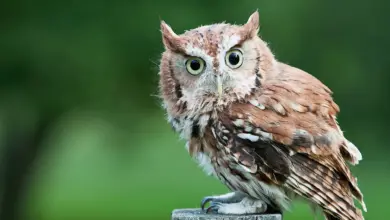
The Black-billed Cuckoo (Coccyzus erythropthalmus) is a sleek, medium-sized bird known for its secretive behavior and distinctive vocalizations. This species is a member of the cuckoo family, a group famous for their unique breeding strategies and specialized diets. Primarily found in North America, the Black-billed Cuckoo is a fascinating bird that attracts the attention of birdwatchers and naturalists alike with its subtle beauty and intriguing habits. Its combination of soft brown and white plumage, marked by a striking black bill and a red eye ring, makes it both a challenge and a delight to spot in its preferred leafy habitats.
Scientific Classification
The Black-billed Cuckoo belongs to the family Cuculidae, which includes more than 140 species worldwide, many of which are known for their brood parasitism. Its scientific name, Coccyzus erythropthalmus, reflects characteristics observed by early ornithologists: “Coccyzus” comes from the Greek word for cuckoo, while “erythropthalmus” translates to “red-eyed,” referring to the bird’s distinctive red eye ring. This species is closely related to the Yellow-billed Cuckoo (Coccyzus americanus), with which it shares much of its range but can be differentiated by bill color and vocalizations.
Adult Black-billed Cuckoos measure approximately 28 to 33 centimeters (11 to 13 inches) in length, with a wingspan ranging from 38 to 41 centimeters (15 to 16 inches). They typically weigh about 40 to 60 grams (1.4 to 2.1 ounces). These measurements place them among the medium-sized members of the Cuculidae family in North America. The species is monotypic, meaning no subspecies are formally recognized, though minor regional variations in plumage and size have been noted.






Geographic Range & Distribution
The Black-billed Cuckoo breeds primarily in the deciduous and mixed woodlands of North America, especially in the eastern regions east of the Rocky Mountains. Its breeding range extends from southern Canada, including provinces such as Ontario and Quebec, southward through the northeastern and midwestern United States. It favors forest edges, shrubby clearings, and riparian zones where dense vegetation provides ample cover and food resources.
During the non-breeding season, the Black-billed Cuckoo migrates to South America, particularly to the Amazon Basin in countries like Brazil, Colombia, and Peru. This remarkable long-distance migration covers thousands of kilometers, with the bird moving south in late summer and returning north in spring. Migration routes are primarily nocturnal, helping the cuckoos avoid predators and harsh daytime weather conditions.
Although native to North and South America, Black-billed Cuckoos are rare vagrants in western Europe. These instances are usually accidental, resulting from disorientation during migration or storms that push them off course. Sightings in Europe are exceedingly rare and are considered notable events by birdwatchers and ornithologists.
Physical Description
The Black-billed Cuckoo exhibits a subtle yet elegant plumage pattern. Its upperparts, including the head, back, and wings, are a warm, medium brown that blends seamlessly into the natural environment of leafy trees and shrubs. The underparts are predominantly white, providing a contrasting but muted coloration. One of the most distinctive features of this species is its long, graduated tail, which is brown on top with white spots visible underneath during flight.
The bird’s bill is entirely black, a key characteristic that differentiates it from the Yellow-billed Cuckoo, which has a yellow lower mandible. The eye is encircled by a bright red ring, which stands out sharply against the otherwise subtle plumage. Juvenile Black-billed Cuckoos are generally duller in color, with a greenish or olive tinge to the eye ring instead of red. Their feathers are less vibrant, providing better camouflage during the vulnerable fledgling stage.
In flight, the Black-billed Cuckoo’s wings appear pointed, and it often exhibits a slow, deliberate wingbeat. Its flight is generally low and close to vegetation, making it somewhat elusive to casual observers.
Behavior & Diet
Black-billed Cuckoos are primarily insectivorous, with a strong preference for caterpillars, especially tent caterpillars and other hairy species that many birds avoid. Their diet also includes a variety of other insects such as cicadas, beetles, and grasshoppers. Occasionally, they supplement their diet with snails, eggs of other birds, and berries, particularly during migration or when insect availability is low.
This species is known for its stealthy foraging behavior. It often hunts in dense shrubs and trees, moving deliberately and using its long tail for balance. The Black-billed Cuckoo is one of the few North American birds that regularly consume hairy caterpillars, which possess irritating hairs and toxins that deter many predators. This ability gives the cuckoo an important ecological role in controlling pest populations.
The Black-billed Cuckoo is generally a solitary bird outside of the breeding season. It is more often heard than seen due to its quiet and shy nature. Its vocalizations consist of a rapid, repetitive “coo-coo-coo” sound that can be heard during the breeding season, especially at dawn and dusk. This call helps individuals establish territories and attract mates. According to BirdLife International, this species is well documented.
Breeding & Reproduction
The breeding season for Black-billed Cuckoos typically begins in late spring and lasts through early summer. They construct their nests low in trees or shrubs, usually between 1 and 3 meters above the ground, although nests on the ground have occasionally been documented. The nest itself is a loose platform of twigs and leaves, often well concealed among foliage. According to Cornell Lab of Ornithology, this species is well documented.
Unlike some cuckoo species that are obligate brood parasites, the Black-billed Cuckoo is mostly a nest-builder and parental caregiver. However, it has been observed occasionally laying eggs in the nests of other bird species, though this behavior is not as prevalent or well-studied as in Old World cuckoos. Typically, the female lays two to three eggs that are pale with reddish-brown spots.
Both parents share the responsibility of incubating the eggs, which hatch after about 10 to 12 days. The chicks are altricial, meaning they hatch blind and helpless and require extensive care. The young fledge approximately two weeks after hatching, though they remain dependent on their parents for some time afterward.
Conservation Status
The International Union for Conservation of Nature (IUCN) currently lists the Black-billed Cuckoo as a species of Least Concern. This status reflects its relatively wide geographic range and stable population trends. However, like many forest-dependent species, it faces threats from habitat loss and fragmentation due to urbanization, agriculture, and logging activities.
In recent years, some localized declines in population have been noted, particularly in parts of the northeastern United States where changes in forest composition and pesticide use affect insect prey availability. Conservation efforts aimed at protecting mature deciduous and mixed forests, as well as maintaining healthy insect populations, benefit this species indirectly.
Birdwatchers and conservationists continue to monitor Black-billed Cuckoo populations through breeding bird surveys and migration counts. Continued habitat preservation and environmental awareness are crucial to ensuring this species remains a common sight in its native range.
Interesting Facts
The Black-billed Cuckoo is one of the few North American birds equipped to handle the toxic hairs of tent caterpillars, which are its preferred food during breeding season. Its digestive system can neutralize these toxins, allowing it to exploit a food resource that many other birds avoid. This specialization plays a vital role in controlling outbreaks of tent caterpillars, which can defoliate trees if left unchecked.
Although not as famous for brood parasitism as its Old World relatives, the Black-billed Cuckoo occasionally lays eggs in the nests of other birds such as kingbirds and flycatchers. This behavior is relatively rare and not well understood, but it suggests a flexible reproductive strategy that may provide an advantage in certain environmental conditions.
The bird’s migration is a remarkable feat, involving long nocturnal flights over vast expanses of land and water. This migration pattern helps the cuckoo avoid predators and adverse weather. During migration, the Black-billed Cuckoo can sometimes be detected by its distinctive calls, which differ slightly from the breeding season vocalizations.
Another intriguing aspect of the Black-billed Cuckoo’s behavior is its secretive nature. Despite being widespread, it often goes unnoticed because it spends much of its time hidden within dense foliage, moving quietly and avoiding open spaces. This elusive behavior has earned it a reputation as a “ghost” of the forest among birdwatchers.
In conclusion, the Black-billed Cuckoo is a captivating species that offers a compelling glimpse into the adaptability and diversity of North American birds. Its subtle beauty, specialized diet, and fascinating behaviors make it a subject of interest for anyone passionate about nature. Protecting its habitats and understanding its ecological role are essential steps to ensure that this remarkable bird continues to thrive for generations to come.