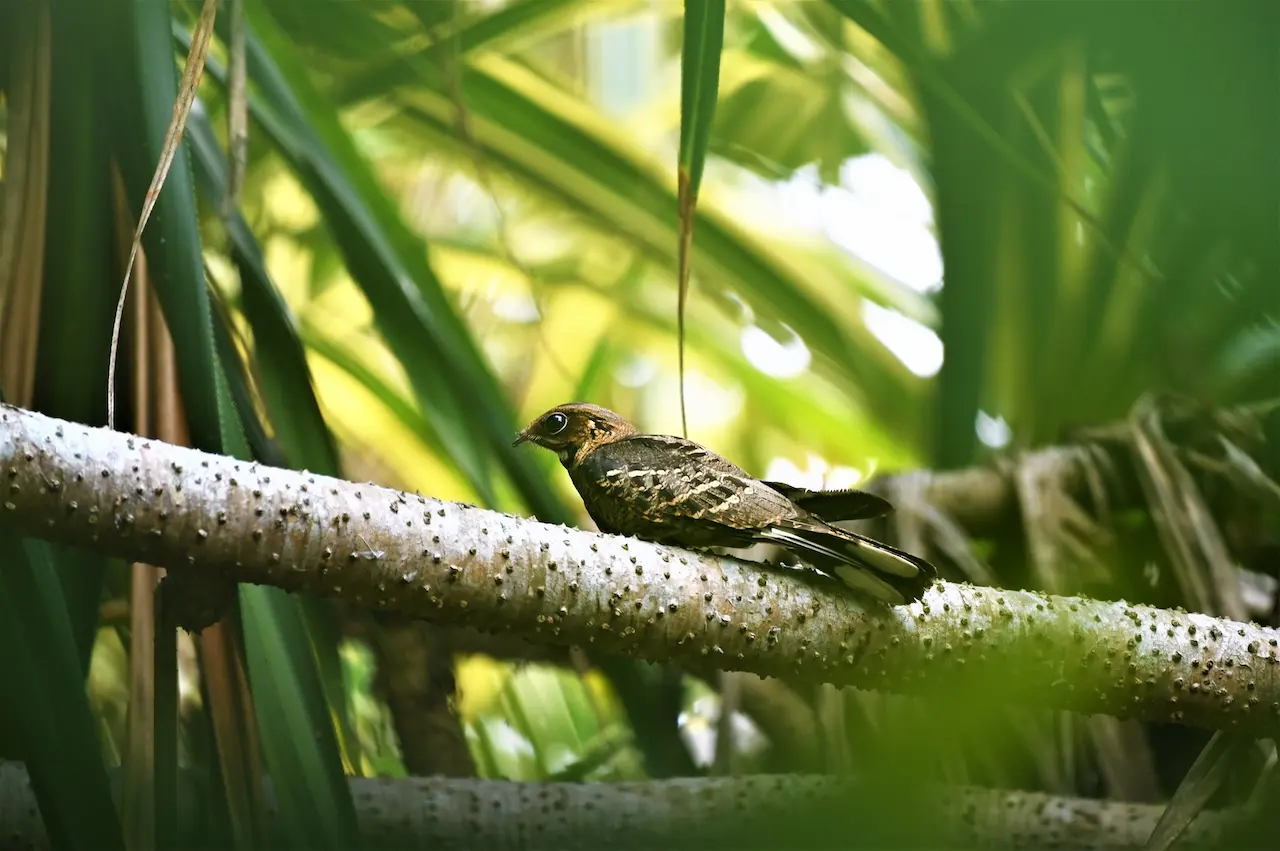
The Banded Barbet (Lybius undatus) is a striking species of African barbet known for its vibrant plumage and distinctive banded patterns. Native to the Horn of Africa, this bird is a colorful and important member of its ecosystem, playing a vital role in seed dispersal and insect population control. Its robust build, large head, and heavy bill fringed with sensory bristles make it a fascinating subject for birdwatchers and nature enthusiasts alike. In this article, we explore the banded barbet’s taxonomy, geographical range, physical characteristics, behaviors, breeding habits, conservation status, and intriguing facts that highlight its unique place in the avian world.
Scientific Classification
The banded barbet belongs to the family Lybiidae, a group commonly known as African barbets. Its scientific name is Lybius undatus, placing it within the genus Lybius, which comprises a number of similarly robust, colorful barbet species endemic to Africa. The genus name Lybius is derived from the Greek word “lybia,” referring to Libya, a historical region of North Africa, emphasizing the African origin of these birds.
Within the order Piciformes, which includes woodpeckers, toucans, and barbets, the family Lybiidae is distinct for its members’ stout bills and frugivorous diets. The banded barbet is one of several species within its genus, notable for its unique plumage patterns and habitat preferences. First formally described by the German ornithologist Eduard Rüppell in 1836, Lybius undatus has since been studied for its ecological role and behavioral traits in the dry and semi-arid woodlands of East Africa.


Geographic Range & Distribution
The banded barbet is endemic to the Horn of Africa, primarily found in Eritrea and northern and central Ethiopia. Its range is relatively restricted compared to some other barbet species, favoring dry savanna, open woodland, and thornbush habitats typically found at elevations ranging from 500 to 2,000 meters above sea level. This bird thrives in semi-arid environments where fruit-bearing trees and shrubs are plentiful.
Within this range, the banded barbet is often spotted in acacia woodlands and along riverine forests, where it can find both shelter and food. It tends to avoid dense forests, preferring more open habitats with scattered trees that allow it to forage efficiently. Seasonal movements within its range are not extensively documented, but it is believed to be largely resident, with some local dispersal in response to fruit availability.
Physical Description
The banded barbet measures approximately 20 to 25 centimeters in length, with a wingspan averaging around 30 to 35 centimeters. It is a plump bird with a heavy, large head and a thick, powerful bill that is fringed with stiff bristles at the base, an adaptation believed to aid in manipulating fruit and probing for insects. Adult birds weigh roughly 70 to 90 grams, giving them a solid and robust appearance.
The species is named for the distinctive black and white banding across its body, which contrasts with vivid red and yellow markings on the head and throat. Its plumage is predominantly black with striking white bands on the wings and tail, creating a bold pattern when in flight. The red facial markings vary in intensity between individuals but typically include a bright red forehead and throat patch. Juvenile birds exhibit duller colors and less defined banding, which become more pronounced as they mature.
Behavior & Diet
The banded barbet is primarily a solitary or pair-living bird, often seen perched quietly in the mid to upper canopy of trees as it surveys its surroundings. It is known for its distinctive, repetitive calls that serve to establish territory and communicate between mates. These vocalizations are a series of loud, ringing notes often described as “kok-kok-kok” or “kow-kow-kow,” which can carry over long distances in open woodland.
Diet-wise, the banded barbet is an omnivorous frugivore-insectivore, with a strong preference for a wide variety of fruits, including figs, berries, and cultivated fruits such as guavas and dates when available. It swallows fruit whole, later regurgitating indigestible parts like seeds and pits, which contributes significantly to seed dispersal and forest regeneration in its habitat. This ecological role makes the banded barbet an important agent in maintaining the health and diversity of its environment.
Besides fruit, the banded barbet supplements its diet with a diverse range of insects and other invertebrates. It consumes ants, cicadas, dragonflies, crickets, locusts, beetles, moths, mantids, and even scorpions and centipedes, showcasing its adaptability in sourcing protein. Occasionally, it preys on small vertebrates such as lizards, frogs, and geckos, though these constitute a minor portion of its diet. This varied feeding strategy allows the bird to thrive in fluctuating seasonal conditions.
Breeding & Reproduction
The banded barbet breeds during the rainy season, which varies slightly depending on the region but generally falls between March and June in Ethiopia and Eritrea. It is a cavity nester, excavating its nest in dead trees or branches, often reusing abandoned woodpecker holes or natural tree cavities. Both male and female participate actively in the excavation process, which can take several days to complete.
Once the nest cavity is ready, the female lays between two and four eggs. These eggs are typically white and oval-shaped. Both parents share incubation duties, which last approximately 13 to 15 days. After hatching, both adults feed the chicks a diet rich in fruit pulp and insects to support rapid growth. The nestlings fledge after about three weeks but often remain dependent on their parents for several more weeks as they learn to forage independently. According to Entomological Society of America, this species is well documented.
Parental care is intensive and cooperative, with both birds defending the nest vigorously against predators and competitors. Nests located in higher branches or within dense foliage reduce the risk of predation from snakes and larger birds. The species’ reproductive success is closely tied to the availability of food resources, particularly fruit abundance during the breeding season. According to iNaturalist, this species is well documented.
Conservation Status
The International Union for Conservation of Nature (IUCN) currently lists the banded barbet as a species of Least Concern. Its population is considered stable, with no major widespread threats identified at present. However, ongoing habitat modification through deforestation, agricultural expansion, and urbanization poses potential localized risks. Since the banded barbet depends on woodland and savanna habitats, significant loss of these environments could impact its numbers in the future.
Fortunately, the banded barbet appears to be somewhat adaptable to altered landscapes, often exploiting cultivated fruit plantations and secondary growth areas. Unlike some forest-dependent barbets, it does not require pristine primary forest, which may buffer it from the worst effects of habitat loss. Nonetheless, conservationists continue to monitor populations to detect any early signs of decline, particularly in regions where deforestation rates are accelerating.
Protected areas within its range, such as national parks and wildlife reserves in Ethiopia, provide safe havens that support healthy populations. Maintaining these habitats and promoting sustainable land-use practices are key strategies to ensure the long-term survival of the banded barbet and its ecological role.
Interesting Facts
The banded barbet’s heavy, bristle-fringed bill is not just for show; it helps the bird manipulate fruit and insects with precision, allowing it to forage efficiently in complex environments. These bristles act much like tactile sensors, enhancing the bird’s ability to detect and handle food items.
Another fascinating aspect of the banded barbet is its role as a seed disperser. By consuming fruit whole and later regurgitating seeds, it facilitates the spread of many native tree species, contributing to forest regeneration and biodiversity. This mutualistic relationship highlights the interconnectedness of species within its ecosystem.
The bird’s vocalizations are an essential tool for communication in open woodlands. Mated pairs often duet, coordinating their calls to reinforce pair bonds and territorial claims. These vocal performances are a favorite subject for birdwatchers and photographers looking to capture the rich soundscape of African savannas.
Unlike many other barbet species, the banded barbet shows a high degree of tolerance for human-altered landscapes, often venturing into orchards and gardens to feed. This adaptability can sometimes bring it into conflict with farmers, although it rarely causes significant damage.
Finally, the banded barbet’s striking appearance and bold patterns make it a visually captivating species, with its black and white banding contrasting vividly against its bright red facial markings. For photographers, this bird offers a rewarding challenge due to its shy nature and preference for mid-canopy perches.
In conclusion, the banded barbet (Lybius undatus) is a vibrant and ecologically important bird of the Horn of Africa. Its distinctive appearance, varied diet, and cooperative breeding behavior make it a fascinating species for study and observation. While currently stable, ongoing habitat conservation will be vital to ensure this beautiful bird continues to thrive in its natural environment.