Insects have long fascinated humans, not only for their incredible diversity and ecological importance but also as unique and engaging pets. Unlike traditional furry companions, many insects are quiet, low-maintenance, and fascinating to observe, making them excellent pets for both children and adults interested in learning about the natural world. Their small size means they require minimal space and resources, while their varied behaviors offer endless opportunities for study and enjoyment. From the stealthy stick insect to the vibrant butterfly, keeping insect pets can be a rewarding experience that fosters a deeper appreciation for biodiversity and life cycles.
Scientific Classification
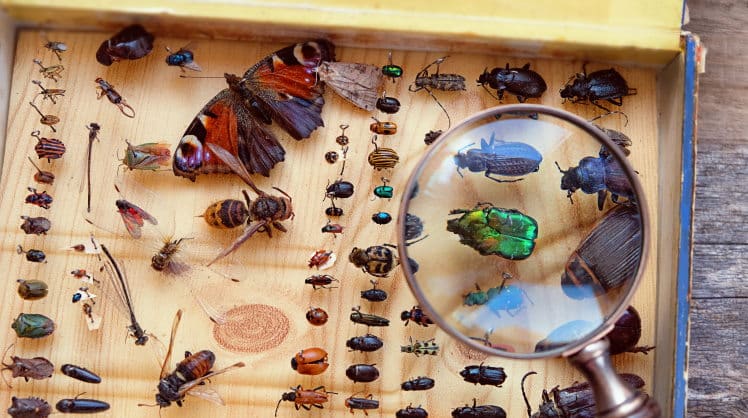
Insects belong to the class Insecta, a group within the phylum Arthropoda, characterized by a chitinous exoskeleton, segmented bodies, and jointed appendages. This class includes over a million described species worldwide, making it the most diverse group of animals on Earth. Among the popular insect pets are representatives from various orders, including Phasmatodea (stick insects), Orthoptera (crickets and grasshoppers), Diplopoda (millipedes, though technically myriapods, are often grouped with insect pets), Scorpiones (scorpions, which are arachnids but frequently kept by insect enthusiasts), Coleoptera (beetles such as rhinoceros and ground beetles), Lepidoptera (butterflies and moths), and Mantodea (praying mantises). Each of these groups displays unique adaptations and behaviors, contributing to their appeal as pets.
Geographic Range & Distribution
The insects commonly kept as pets originate from a wide range of environments across the globe. For instance, stick insects (Phasmatodea) are primarily found in tropical and subtropical regions, including Southeast Asia, Australia, and parts of South America. Crickets (Gryllidae) have a cosmopolitan distribution, thriving in temperate to tropical climates worldwide. Millipedes are globally distributed, favoring moist environments such as forests in North America, Africa, and Asia. Scorpions, although arachnids, are often included by insect hobbyists and are native to deserts and tropical forests across regions like North Africa, the Middle East, and the Americas. Rhinoceros beetles (Dynastinae) are mostly tropical, found in Asia, Africa, and the Americas, while ground beetles (Carabidae) are widespread, inhabiting various terrestrial ecosystems. Butterflies and moths inhabit almost every land habitat globally, with tropical species showing the greatest diversity. Praying mantises (Mantodea) are distributed mainly in tropical and subtropical regions but are present in temperate zones as well. This broad geographic range means that enthusiasts can often find species suited to local climates or capable of thriving indoors with controlled conditions.
Physical Description
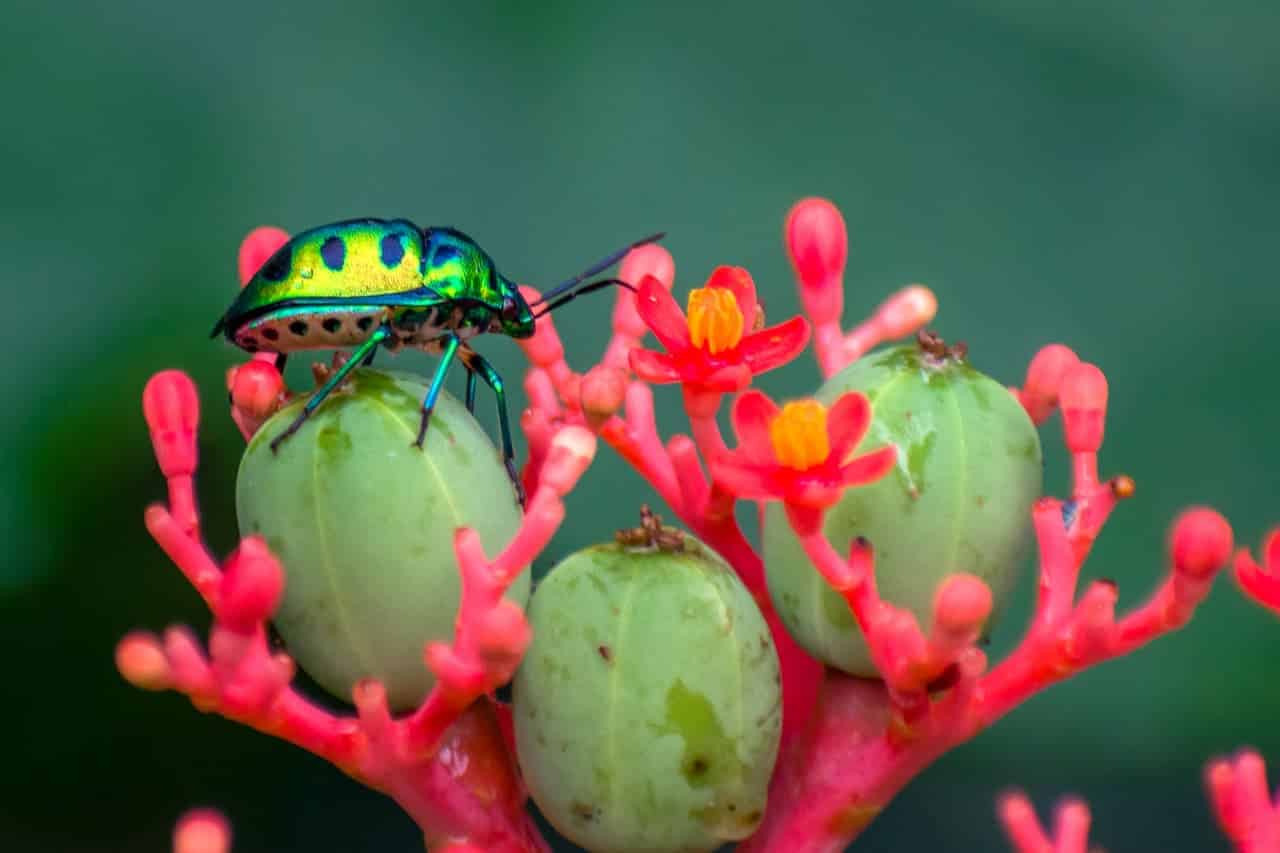
Insect pets display an astonishing variety of shapes, sizes, and colors. Stick insects, for example, are masters of camouflage, with elongated bodies that resemble twigs or leaves, ranging in length from 5 to 30 centimeters depending on the species. Crickets are typically small, measuring about 2 to 5 centimeters, with sturdy legs adapted for jumping and producing their characteristic chirping sounds. Millipedes can vary from a few centimeters to over 30 centimeters in length, possessing numerous body segments with two pairs of legs per segment, giving them a smooth, rolling appearance. Scorpions can range from 5 to 20 centimeters and have a distinctive appearance with pincers and a curved, venomous tail. Rhinoceros beetles are notable for their impressive horns, used in combat, and can grow up to 15 centimeters long, making them some of the largest beetles kept as pets. Ground beetles are usually smaller, between 1 to 3 centimeters, often shiny and black or metallic in color. Butterflies, with their delicate, scaled wings, can have wingspans from a few centimeters up to 30 centimeters or more, depending on the species. Praying mantises are recognized by their triangular heads, large compound eyes, and prominent forelegs adapted for grasping prey, with lengths ranging from 3 to 15 centimeters. Each insect’s distinctive morphology not only aids in survival but also contributes to their appeal as pets.
Behavior & Diet
Insect pet behavior varies widely, offering a window into fascinating ecological adaptations. Stick insects are primarily nocturnal herbivores, feeding on leaves such as bramble, ivy, and oak. Their slow movements and camouflage help them avoid predators. Crickets are omnivorous scavengers, feeding on plant material, small insects, and organic debris, and their characteristic chirping is produced by males rubbing their wings together to attract females. Millipedes consume decaying organic matter and leaf litter, playing a vital role in nutrient cycling, and tend to be slow-moving and peaceful. Scorpions are nocturnal predators, feeding primarily on insects and small arthropods, employing their pincers and venomous sting to subdue prey. Rhinoceros beetles feed mainly on sap, fruit, and decaying plant matter, with larvae consuming decomposing wood, making them important decomposers. Ground beetles are generally predatory, hunting other insects and larvae, helping control pest populations. Butterflies undergo a complete metamorphosis, with caterpillars feeding on host plants and adults sipping nectar from flowers. Praying mantises are ambush predators, relying on keen eyesight and rapid strikes to capture live prey such as flies, crickets, and even small frogs or birds in some cases. Understanding these dietary needs is essential for proper care and successful insect keeping. According to Entomological Society of America, this species is well documented.
Breeding & Reproduction
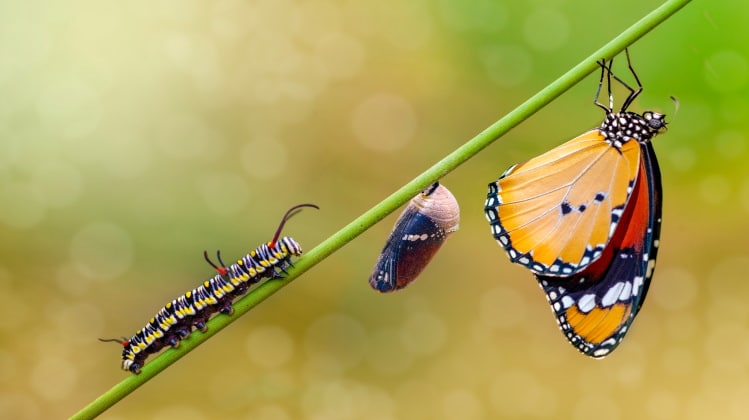
Reproduction strategies among insect pets are diverse and often fascinating. Stick insects reproduce sexually, with females laying eggs that resemble seeds and can take several months to hatch. Some species are parthenogenetic, meaning females can reproduce without males. Crickets engage in elaborate courtship rituals involving chirping, and females lay eggs in moist soil; their life cycle from egg to adult spans about two months. Millipedes reproduce sexually, with males transferring sperm to females via specialized legs; females lay clusters of eggs in soil or leaf litter. Scorpions give birth to live young after a gestation period that can last several months to over a year, depending on the species, and the young ride on their mother’s back until their first molt. Rhinoceros beetles undergo complete metamorphosis; females lay eggs in decaying wood or soil, and larvae may take several months to years to develop. Ground beetles also undergo complete metamorphosis, laying eggs in soil, with larval stages that are predatory like adults. Butterflies are famous for their four-stage lifecycle—egg, larva (caterpillar), pupa (chrysalis), and adult—offering a vivid demonstration of metamorphosis. Praying mantises lay eggs in foam-like cases called oothecae, which protect the eggs through winter until hatching in spring. Breeding insect pets can be a rewarding educational experience but requires attention to environmental conditions and diet. According to Bug Guide, this species is well documented.
Conservation Status
While many common insect pets are abundant and not currently threatened, habitat loss, climate change, and pollution pose risks to various species worldwide. Most popular pet insects, such as common stick insects, house crickets, and widespread millipedes, are listed as Least Concern on the International Union for Conservation of Nature (IUCN) Red List or have not been evaluated due to their abundance. However, some species of rhinoceros beetles and certain butterflies face pressures from deforestation and overcollection, leading to localized declines. Scorpions, depending on their habitat specificity, may also be vulnerable in some regions. Responsible insect keeping includes sourcing pets from captive-bred populations rather than wild-caught specimens to help conserve natural populations. Conservation efforts for insects often focus on preserving habitats and promoting sustainable practices to maintain biodiversity. Observing and appreciating insect pets can foster greater awareness of environmental stewardship and the importance of protecting even the smallest creatures.
Interesting Facts
Insect pets offer countless intriguing insights into the natural world. For example, stick insects can regenerate lost limbs during molting, a remarkable adaptation for survival. Crickets use their chirping not only to attract mates but also to regulate their body temperature, with faster chirps indicating warmer conditions. Millipedes, despite their many legs, move surprisingly slowly and can secrete defensive chemicals to deter predators. Scorpions fluoresce under ultraviolet light due to chemicals in their exoskeleton, a feature still not fully understood but useful for night surveys. Rhinoceros beetles are among the strongest animals relative to their size, capable of lifting over 850 times their own weight. Ground beetles contribute significantly to pest control, consuming thousands of harmful insects annually. Butterflies engage in long-distance migrations, such as the monarch butterfly’s epic journey across North America. Praying mantises have a unique ability to rotate their heads nearly 180 degrees to scan their surroundings, a rare trait among insects. Collectively, these fascinating traits make insect pets more than just companions—they are ambassadors for the complexity and wonder of the insect world.
In summary, insect pets provide an accessible and educational way to connect with nature’s incredible diversity. Their varied taxonomy, global distribution, and unique behaviors offer endless opportunities for learning and enjoyment. Whether observing a stick insect’s camouflage, listening to the chirps of crickets, or witnessing a caterpillar’s transformation into a butterfly, insect pets enrich our understanding of biology and ecology. By choosing species suited to one’s environment and interests, and providing proper care, enthusiasts can foster a lifelong appreciation for the small but vital creatures that share our planet.