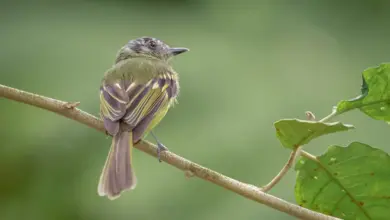
The Boat-billed Flycatchers, Megarynchus pitangua, is a large tyrant flycatcher.
Description
Adult Boat-billed Flycatchers measure 23cm in length.


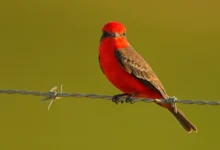
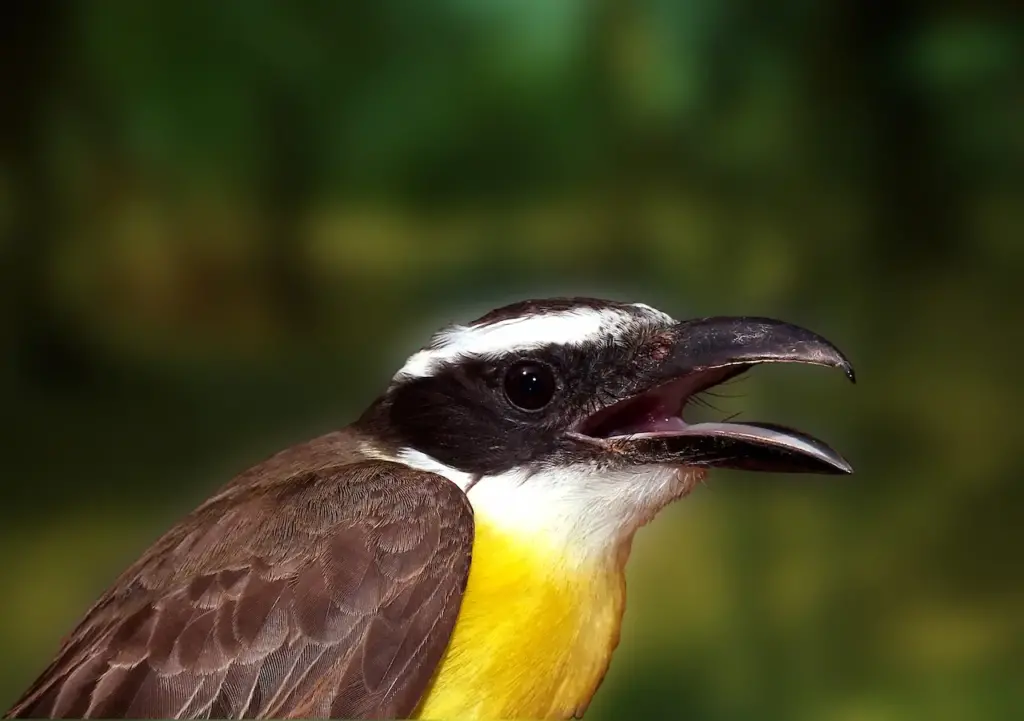
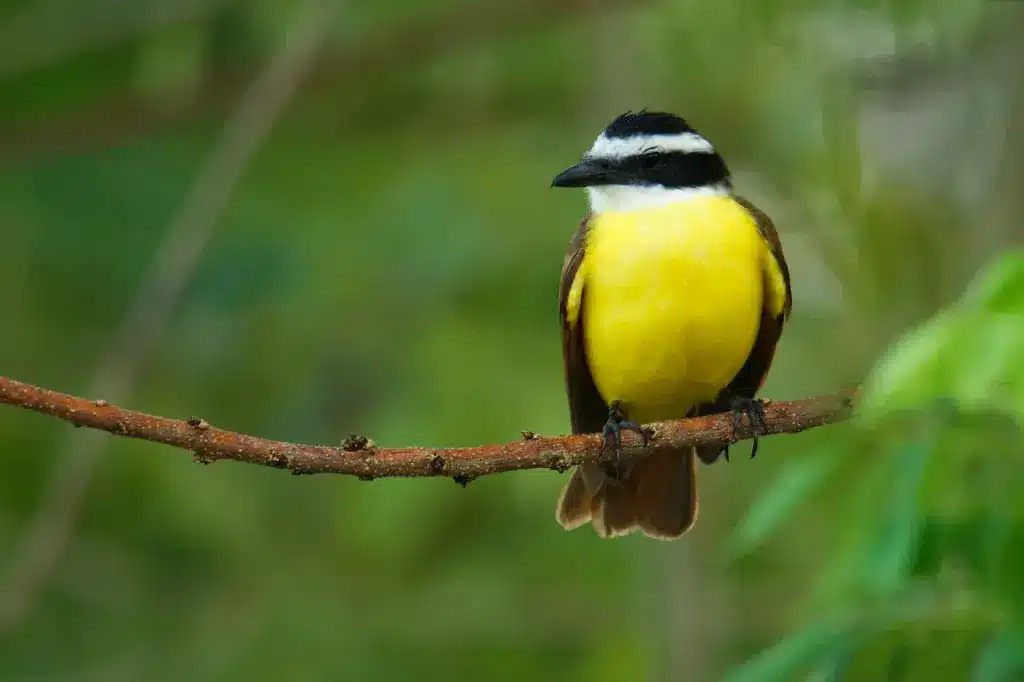
The head is black with a strong white eyestripe and a concealed yellow crown stripe. The upperparts are olive-brown, and the wings and tail are brown with only faint rufous fringes. The underparts are yellow, and the throat is white.
The massive black bill, which gives this species its English and generic names, is the best distinction from the similar Great Kiskadee, which also has a more rufous tail and wings, and lacks the olive tone to the upperparts.
Habitat and Distribution
The Boat-billed Flycatcher has a wide range. The range of the Boat-billed Flycatcher is impressive. It extends from southern Mexico through Central America, into South America and as far as Bolivia or northern Argentina. It also inhabits the island nd Trinidad. This allows it to expand its geographic footprint into diverse environments.
Habitats that it prefers include open wooded areas with tall trees for perching and feeding. The open woodlands may be interspersed by patches of forest edge or semi-open spaces such as gardens, parks, and plantations where trees are prominent. Flycatchers rely on open areas and trees to support their hunting strategy. They use vantage points where they can catch flying insects.
The species can adapt to disturbed habitats and thrive where there is still some tree cover. It avoids dense forests and areas with little space for hunting.
Breeding and Nesting
The Boat-billed Flycatcher has a breeding pattern that is similar to many other tyrant flycatchers. In most cases, the female takes the lead in nest building and incubation.
Nests are simple but effective structures–a saucer made of sticks that is carefully shaped and built to hold the eggs above the ground. Nesting sites are often hidden, usually amongst the branches of trees. This is to protect them from predators or environmental elements.
This clutch is composed of 2 or 3 eggs. They are white but heavily blotched in brown to blend with the nest. The female incubates these eggs for a period between 17 and 18 days.
After the eggs hatch, fledglings need to wait another 24 days until they are ready to leave the nest. Both parents will likely be involved in protecting and feeding the young during this period, but the female is usually the one who takes on the main incubation duties.
The breeding season can vary across the species’ range. It usually coincides with warm months, when insects are abundant. This ensures that young birds have enough food to grow.
Food and Diet
The Boat-billed Flycatcher, a primarily insectivorous species of bird, can adapt its diet to survive in varying habitats and seasons.
Its primary strategy for feeding is to sit silently in a hidden perch high up in a tree and watch carefully for insects passing by. The flycatcher will perform a fast and agile Sallying Flight to catch insects in mid-air. This hunting technique is most effective in open and woodland areas with a lot of insect activity. The diet of the bird includes a variety of animals without an internal skeleton, such as earthworms and millipedes. The bird’s diverse diet allows it to take advantage of different ecological niches while maintaining a balanced nutritional intake. According to BirdLife International, this species is well documented.
The Boat-billed Flycatcher supplements its diet, in addition to prey animals, with berries and other fruits. This is especially true when insects are scarce. This frugivory helps the Boat-billed Flycatcher survive during times when insects are scarce or during transition seasons. According to Audubon Society, this species is well documented.
Its large bill allows it to easily handle both large insects and fruit. The bird may use precision to manipulate its prey, such as by slapping larger insects against branches before eating them.
Vocalization
Even when hiding, the Boat-billed Flycatcher’s vocal repertoire is distinct and can be heard.
The most common call of the owl is “nya nya nya”, a strident trilled. This sharp and repetitive vocalisation cuts through ambient noises in its woodland habitat. This call has functions including territorial defence, communication among mates, and signalling an alarm.
This species’ trilled call and its penetrating tones are a great auditory clue, especially for birdwatchers who may have difficulty identifying it in dense foliage.
During courtship or nesting, vocalisations can become more frequent and intense as individuals assert themselves and try to attract mates. Boat-billed Flycatchers can communicate across open woodlands by using loud, clear vocalisations.
Conservation
The Boat-billed Flycatcher is not currently considered to be globally endangered due to its adaptability and wide distribution. Like many woodland birds, it is threatened by habitat degradation and loss.
Deforestation due to agriculture, urbanisation and logging decreases the number of nesting trees and perching treesessentials for hunting. Loss of mature trees or natural cavities can have a significant impact on breeding success.
Pesticides pose an additional threat, as they reduce insect populations and thereby decrease the availability of food. Flycatchers are heavily dependent on insects for nutrition, especially during breeding, when the demand is highest. A decline in insect abundance could have a cascading effect on population stability.
The species’ resilience is enhanced by its ability to tolerate secondary vegetation and certain human-altered environments. It can even benefit from parks, plantations and urban green space that preserve tree cover.
For the Boat-billed Flycatcher population to remain healthy, conservation efforts must be made in the preservation and management of woodland habitat, maintenance and management of mature trees responsible use of pesticides.
Conclusion
Boat-billed Flycatchers are a unique bird with a bold appearance and a calculated, patient hunting style. The massive bill, vibrant plumage and distinctive calls of this bird make it a distinct resident of woodlands and open spaces stretching from Mexico to South America.
This species is a perfect example of the delicate balance between habitat, food, and behaviour that sustains subtropical and tropical avifauna. The species’ wide diet, ability to adapt to different woodlands and distinctive vocalisations demonstrate a lifestyle that is finely tuned to the environment.
The Boat-billed Flycatcher, along with many other woodland species, serves as a constant reminder of the delicate balance between human and natural impact. Many of these birds are threatened by habitat destruction and pesticides, so their preservation is a shared responsibility.
Bird enthusiasts will find the Boat-billed Flycatcher’s sharp trill and its broad, bold bill against a leafy branch a fascinating experience. It is a window into the Neotropical woodland ecosystem.
By protecting these habitats, we can ensure the survival of not only this charismatic flycatcher, but also of the many species that share the same world. We can only hope that conservation, research and public awareness will allow the Boat-billed Flycatcher to continue to thrive in its vast range.