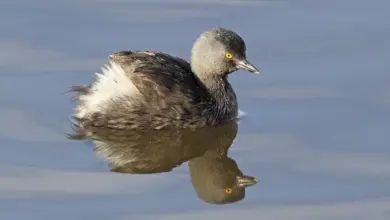
The Great Crested Grebes (Podiceps cristatus) stands out as one of the most striking and intriguing water birds found across Europe, Asia, and beyond. Renowned for its elegant appearance, extraordinary swimming and diving abilities, and mesmerizing courtship rituals, this species has long fascinated birdwatchers, naturalists, and wildlife enthusiasts. Yet, the Great Crested Grebe’s story also carries lessons about conservation and the impact of human activities on wildlife populations. For more information, see our guide on ducks.
In this extensive overview, we will explore the Great Crested Grebe’s physical characteristics, behavior, habitat, diet, and conservation history—painting a comprehensive picture of this remarkable bird.
Identification and Physical Description
At first glance, the Great Crested Grebe is a bird of undeniable grace and elegance. Measuring approximately 46 to 51 centimeters in length, with a wingspan stretching between 59 and 73 centimeters, it is the largest of the grebes found across Europe, making it easily distinguishable among waterbirds.







One of the most remarkable traits of the Great Crested Grebe is its specialized adaptation for aquatic life. It is an excellent swimmer and diver, spending much of its time on or under the water in pursuit of its primary food source—fish. Unlike many water birds that paddle with webbed feet, grebes have lobed toes, which allow for efficient propulsion underwater. Its body is streamlined, perfectly designed for cutting through the water with minimal resistance.
Perhaps the most iconic aspect of the adult Great Crested Grebe is its distinctive breeding plumage. During the summer months, adults display extravagant head and neck decorations that give them their name. Their heads are adorned with striking black double crests that fan out dramatically, framing a ruff of chestnut-colored feathers that encircle the neck like a regal collar. These adornments are not merely decorative but play a critical role in mating rituals, signaling health and vitality to potential mates.
In contrast, during the winter months, the plumage undergoes a subtle but noticeable transformation. The bird’s head and neck feathers become less ornate, replaced by a predominantly white face marked by a patch above the eye, and a delicate pinkish bill. This more muted winter coloration aids in camouflage during the non-breeding season.
The Great Crested Grebe’s plumage and elegant form make it unmistakable, even at a distance, especially when compared to other smaller, less conspicuous grebe species that share its habitat.
Distribution and Habitat
The Great Crested Grebe boasts a wide range that spans much of Europe and Asia, making it one of the most widespread grebe species. It favors freshwater environments, especially vegetated areas around lakes, reservoirs, and slow-moving rivers where it can find abundant food and safe nesting sites.
Within this broad range, the species exhibits some geographical variation, categorized into several subspecies. The nominate subspecies, Podiceps cristatus cristatus, is found across Europe and parts of Asia. This population tends to be resident, particularly in milder western regions, while birds from colder northern and eastern areas undertake seasonal migrations to more temperate waters during winter months.
Two other notable subspecies include Podiceps cristatus infuscatus, which inhabits parts of Africa, and Podiceps cristatus australis, found in Australasia. These subspecies tend to be more sedentary due to relatively stable climate conditions year-round.
During the breeding season, Great Crested Grebes seek out freshwater lakes with dense aquatic vegetation. The thick reeds and submerged plants provide ideal nesting material and concealment from predators. However, during the winter, they are also commonly found on larger freshwater bodies, including reservoirs and even coastal bays, where the water remains unfrozen and food remains accessible.
Behavior and Breeding
The Great Crested Grebe is perhaps most famous for its elaborate and enchanting courtship display, a spectacle that has captured the admiration of birdwatchers around the world. This behavior not only strengthens pair bonds but also plays a critical role in mate selection. According to eBird, this species is well documented.
When breeding season arrives, pairs perform synchronized dances on the water’s surface, often involving head shaking, mutual preening, and a series of elegant movements that highlight their ornate crests and neck ruffs. One particularly famous display is the “weed dance,” where both birds rise out of the water and present aquatic vegetation to each other as part of their ritualized bonding process. These displays are not only beautiful but serve as vital communication, signaling readiness to breed and strengthening the partnership between mates. According to BirdLife International, this species is well documented.
Great Crested Grebes are monogamous during a breeding season and typically build their nests close to or on the water’s edge, concealed among reeds or other aquatic plants. Their unique physiology means they are awkward on land; their legs are positioned far back on the body, optimized for swimming and diving but making walking or hopping clumsy and difficult. For this reason, the birds usually nest at water’s edge or even build floating nests anchored to vegetation.
Each breeding pair generally lays two eggs per clutch, although one to three eggs are possible. These eggs are incubated for about a month, and the young are remarkable from birth—already capable swimmers and divers within hours of hatching. This early development is crucial in their aquatic environment, where mobility and the ability to evade predators quickly are essential.
One endearing behavior is that the striped chicks are often carried on the backs of their parents, allowing them to stay safe while the adults forage nearby. This behavior not only provides protection but also helps maintain warmth for the young grebes.
Diet and Feeding Habits
Great Crested Grebes are primarily piscivorous, meaning their diet consists mostly of fish. They hunt by diving beneath the water’s surface, using their powerful legs and lobed feet to chase and catch prey with remarkable agility. Their streamlined bodies and sharp, pointed bills are well-suited for this task.
In addition to fish, Great Crested Grebes supplement their diet with a variety of aquatic invertebrates. They feed on crustaceans, aquatic insects, and occasionally small amphibians like frogs. Their feeding strategy can vary depending on local food availability and season.
Grebes often hunt alone or in small groups, diving repeatedly and emerging with food to swallow. They exhibit impressive underwater agility and can remain submerged for extended periods while pursuing prey.
Conservation History
The Great Crested Grebe’s history is not just one of natural beauty and intriguing behavior—it also highlights humanity’s complex relationship with wildlife conservation. In the 19th century, the species was nearly hunted to extinction in the United Kingdom due to the high demand for its distinctive head plumes, which were used to adorn fashionable hats and garments. This era of plume hunting devastated many bird populations across Europe.
The plight of the Great Crested Grebe, among others, galvanized public awareness and led to the formation of the Royal Society for the Protection of Birds (RSPB) in the UK. The RSPB was instrumental in lobbying for legislation to protect birds from hunting and to conserve their habitats. Thanks to these efforts and changing social attitudes, the Great Crested Grebe population rebounded and is now considered common again in the UK and many parts of its range.
Despite this recovery, the species still faces threats from habitat loss, pollution, and disturbance by humans. Freshwater habitats worldwide are under pressure from agricultural runoff, urban development, and invasive species. Climate change also poses risks, affecting water levels and the timing of breeding seasons.
Ongoing conservation efforts emphasize habitat protection, pollution control, and monitoring of population trends to ensure this elegant species continues to thrive for generations to come.
Fascinating Facts and Cultural Significance
- The Great Crested Grebe’s courtship rituals are among the most complex in the bird world, making it a popular subject for wildlife documentaries and nature photographers.
- Unlike ducks and many other water birds, grebes lack prominent webbed feet; instead, they have lobed toes, which give them impressive maneuverability underwater.
- The bird’s name, “grebe,” originates from the Old French word “grebe,” possibly related to the word for claw or foot, referencing their distinctive feet.
- The Great Crested Grebe’s feathers are highly waterproof, allowing it to stay submerged for long periods without becoming waterlogged.
- In folklore, the grebe has sometimes been associated with water spirits and is admired for its graceful appearance.
Conclusion
The Great Crested Grebe is a testament to the beauty and complexity of nature. With its elegant plumage, intricate behaviors, and mastery of aquatic life, it enchants those lucky enough to observe it in the wild. Its journey from near extinction due to human greed to a species that now flourishes is a hopeful reminder of the power of conservation.
As we continue to protect freshwater habitats and raise awareness about the importance of biodiversity, the Great Crested Grebe will hopefully remain a common sight on lakes and rivers—a living symbol of resilience, grace, and the wild wonders of our natural world.