This tiny seabird, the Little Gull, is the world’s smallest gull. But don’t be fooled by its diminutive size. It is an incredibly hardy and resilient traveller. The Little Gull breeds in the northernmost reaches of Europe, Asia and Canada. A few small colonies are also found in northern Canada. This long-distance migrating bird covers thousands of kilometres each year, spending its winters on the coasts of Western Europe, the Mediterranean and, in limited numbers, along the northeastern coasts of the United States. The Little Gull may seem small, but its role in ecosystems is huge. It attracts birdwatchers from around the world with its elegant flight and unique plumage.
Habitat and Global Distribution of Little Gull
Little Gulls breed in a wide area of northern Eurasia. They prefer habitats such as freshwater marshes, wetlands, and other wetlands. Birdwatchers and ornithologists are attracted to this species because of its remote breeding grounds. Small populations were also confirmed in the northern part of Canada. This shows how adaptable this species is and its potential to expand into new habitats.
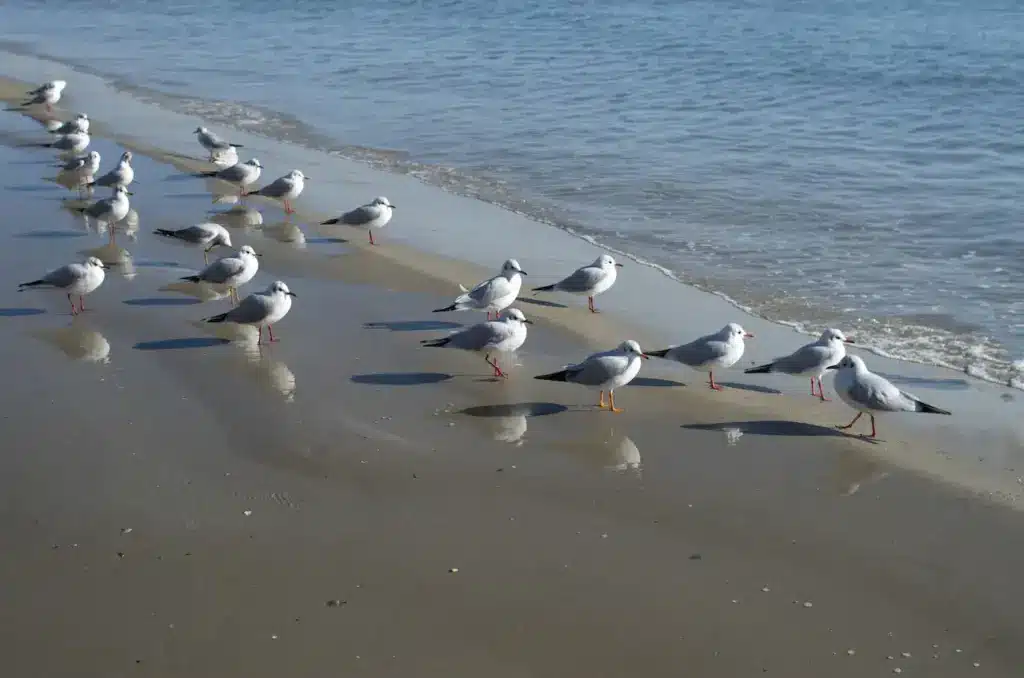
After the breeding season, Little Gulls start their long migration southward. The majority of Little Gulls migrate to the Atlantic coasts of Western Europe. This includes countries such as the UK, France and Spain as well as Portugal. They also travel into the Mediterranean Basin, including Italy, Greece and Turkey. While some continue on to North Africa, others cross over to the northeastern coast of the U.S,. where they spend the winter. This migration behaviour is a reflection of the species’ dependence on a variety of coastal and inland environments throughout the year.


Breeding Behaviour and Nesting Habits
Little Gulls breed in colonies. They often form loose nesting colonies in freshwater bogs or densely vegetated lakes. These wetlands offer a fertile feeding ground as well as protection from predators. Their Nests are simple, but well-hidden structures. They usually consist of a shallow scrape covered with grasses and reeds. These nests are located on the ground, surrounded by dense vegetation. They offer excellent camouflage to potential predators.
In general, both parents are responsible for the incubation of eggs and raising chicks. They are born precocial and downy, which means they can move around shortly after hatching. However, they still rely on their parents to provide warmth and food. Breeding success is often determined by weather conditions and the availability of food. The impact of sudden flooding, predation, and human disturbance can be severe on colony survival in any given year.
Appearance: Identification of the Little Gull in the Field
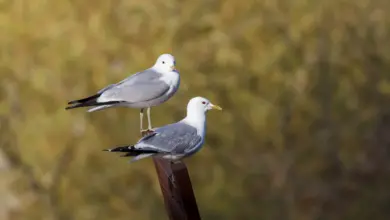
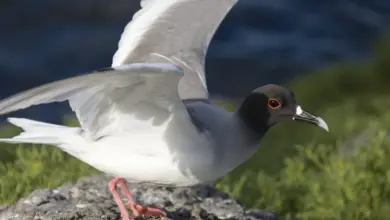
Little Gulls are strikingly beautiful. This is especially true during breeding season. In breeding plumage, adults have a pale grey back, a black hood, whitish underparts and dark grey or black underwings that contrast sharply with their delicate bodies. The pinkish flush can also be seen on the breast. Although subtle, it is noticeable in good lighting. They have a minimalist, elegant look with their thin bill. They are easily distinguished from other species of gulls by their small body and graceful flight.
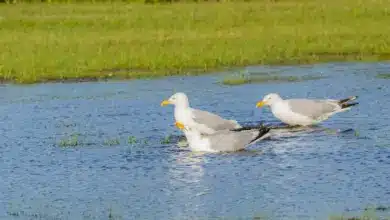
The Little Gull’s winter plumage undergoes a dramatic transformation. The black hood is replaced with a mostly white head and a darker hat. This gives the bird a subdued, but charming, appearance. Birdwatchers must be able to identify this seasonal change, since many gulls undergo similar changes throughout the year.
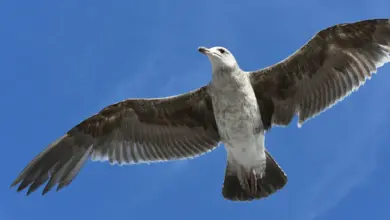
The juvenile and immature Little Gulls are quite different. When in flight, young birds are marked with a “W” pattern on their wings and markings on their head and back. The gulls will gradually change to adult plumage within three years. They may display a mixture of feathers from both the juvenile and adult stages.
Feeding Behaviour: Surface picking and aerial insect catching
Little Gulls’ diet can be as varied as their migration range. They are surface pickers. They delicately skim the surface of bodies of water to catch small aquatic invertebrates and insects. The tern’s like flight serves more than just an aesthetic purpose. It allows them to hover over the surface of water without having to fully land, which reduces energy expenditure and avoids predation.
Little Gulls can also be skilled aerial insect hunters. Like the Black Tern, they are often observed catching insects mid-air. This is especially true over marshes, fields and coastal dunes. This gives them an advantage during migration and also in their breeding grounds. They can adapt and feed in different environments because of their diverse diets and agile flight.
Migration and Seasonal Movements
The Little Gull is a long-distance migrant. It can migrate thousands of kilometres in a biannual migration. These movements are driven primarily by temperatures and daylight hours. The availability of food is also a major factor. In spring and summer, they migrate north to breed. By late summer and fall, they start their journey south to more temperate, warmer coastal areas. These migration routes can include major flyways like the East Atlantic Flyway and portions of the Mediterranean Flyway. According to iNaturalist, this species is well documented.
The Little Gull is known to appear in unusual places. Birdwatchers have recorded sightings as far away as Iceland and Greenland. Birders in the United States keep a keen eye out for this visitor, especially during winter storms or cold fronts that can push it further inland. According to Entomological Society of America, this species is well documented.
Conservation Status and Environmental Concerns
The IUCN lists the Little Gull as a species with Low Concern. This is mainly due to the Wide Distribution of the Little Gull and its Stable Global Population. The species still faces threats. The pressure on its breeding habitats, freshwater marshes, and wetlands is increasing due to agricultural expansion, urbanisation, pollution, and climate change. These factors can decrease breeding success and fragment the population, so long-term monitoring is essential.
As a migratory species, the Little Gull faces a number of threats in its range. These include oil spills and pollution, coastal development, overfishing, and plastic pollution. For the Little Gull population to remain healthy, conservation efforts that promote sustainable land uses and protect marine ecosystems must be undertaken.
Organisations that focus on migratory bird conservation work to ensure international treaties are in place and protected flyways. Little Gulls, as part of a worldwide ecosystem, are ambassadors of the health of the world’s wetlands and coastlines.
Birdwatching Culture and the Little Gull
The Little Gull has long been a favourite of birdwatchers. This is especially true for those who are experts in gulls, a group known as “larophiles.” Little Gulls, due to their distinctive plumage changes and graceful flights, along with their rarity outside their normal range, are prized finds. They may be seen in mixed flocks during migration season and storm events.
Little Gulls can be spotted in the marshlands during spring and summer, in their breeding grounds, or coastal areas in winter, where they are often seen flying low above the water to forage for food. Birding apps and field guides often stress the importance of spotting the dark underwings and delicate structure.
The subtle blush of breeding adults is a beautiful subject for photographers. The Little Gull is a symbol of the long journeys that the Little Gull has made.
The delicate balance of nature.
Final Thoughts
The Little Gull, Larus minutus, may be small, but its ecological and migration footprint is large. This bird is a symbol of beauty, resilience and ecological importance. Its breeding marshes are in northern Europe and Asia, and its wintering grounds are along the Atlantic coast and Mediterranean coastline. The Little Gull, with its elegant appearance, special feeding habits, long-distance migrations, and specialised eating habits, is a symbol of the interconnectedness between global ecosystems.
We can ensure the continued survival of this amazing bird by supporting conservation of wetlands, reducing pollutant and protecting habitats along the coast. The Little Gull is a reminder to birdwatchers, nature lovers, and conservationists that even the smallest animals have amazing stories to share.