The Scarlet Ibis, (Eudocimus Ruber) is one of the most beautiful birds in the entire world. Its brilliant red plumage stands out, and its graceful movements. This species, a wader that inhabits tropical swamps and marshes as well as coastal lagoons and lagoons on the coast, is not only a delight to look at but also a stunning example of ecological adaptation and beauty. The Scarlet Ibis is closely related to the American White Ibis and shares many of its behaviours and biology. Some taxonomists consider them conspecific, meaning they may be the same species. The Scarlet Ibis is a fascinating bird that can be seen wading gracefully through shallow water or flying in V formation across the blue skies. It plays an important role in ecosystems and is admired by many.
The magnificent bird has also become a part of the cultural identity, especially in Trinidad and Tobago, where it is hailed as the National Bird and is proudly displayed on the National Coat of Arms. The Scarlet Ibis is a bird that represents the vibrant and fragile wetlands of tropical America. Its distinctive colour, its communal nesting habits, and its unique diet are all characteristics of this species.
Scarlet Ibis Distribution and Natural Habitat
The Scarlet Ibis is found in nature in the tropical areas of northern South America. This includes countries such as Venezuela and Brazil. It is particularly well-known in the islands of Trinidad and Tobago, where it is considered a national symbol. The Caroni Swamp in Trinidad is a vital sanctuary for these birds. It provides a safe breeding ground and a feeding area. The Scarlet Ibis thrives in coastal mudflats and lagoons as well as wetlands. These places offer abundant food and safety.





While historical records indicate that Scarlet Ibises might have appeared in the late 19th century as vagrants in southern Florida, today any sightings of Scarlet Ibises in North America is considered to be introduced or escaped individuals and not part of a native population. The Scarlet Ibis, a nonmigratory species of bird, may migrate locally due to seasonal flooding and food availability.
Physical Description: A Blaze Of Red In The Marshes
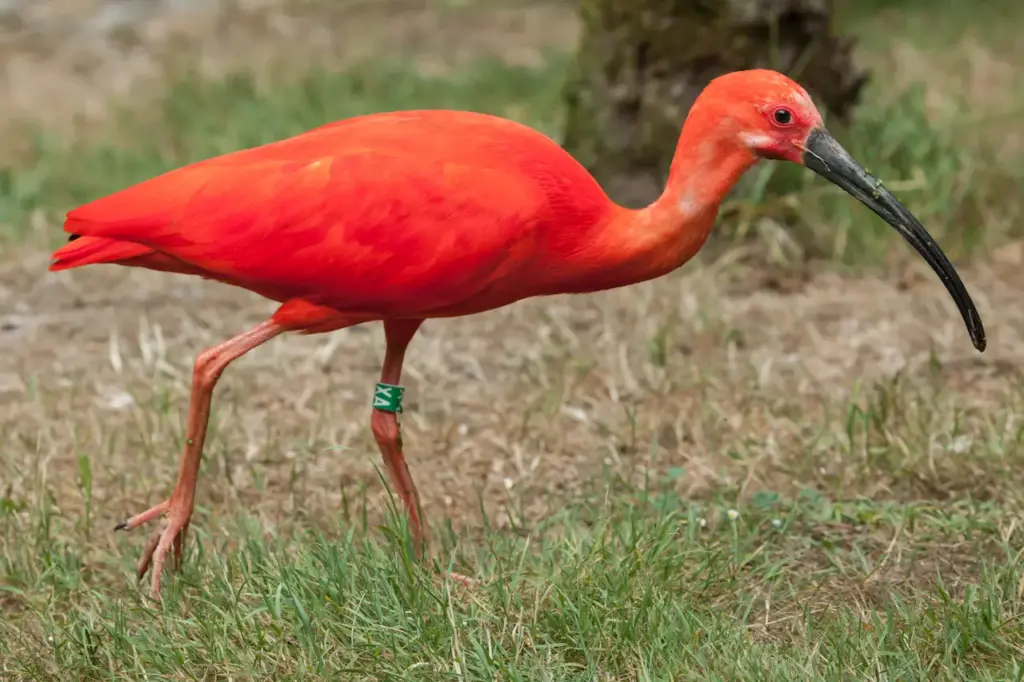
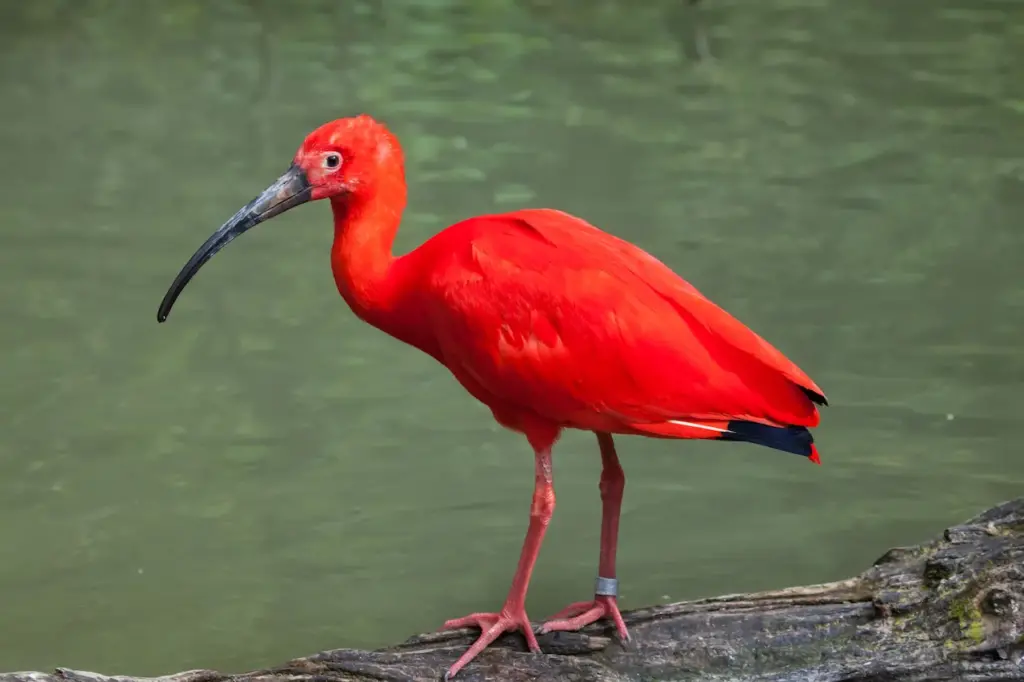
The scarlet Ibis’s name comes from its vibrant red plumage. The adult bird measures between 56 to 61 centimetres in length (22 to 24 inches) and weighs about 1.4 pounds. The feathers of the adult are nearly all scarlet-red. Only the dark black tips on its wings can be seen in flight. The long, slender and downward-curved bill was adapted for foraging in shallow water.
This vibrant colouration was not present at birth. The juvenile Scarlet Ibis is greyish white, with brown hints. As they begin to grow and consume crustaceans such as tropical swamp crabs, pigments called carotenoids start to accumulate in their plumage. This eventually transforms the plumage of their birds into the scarlet colour. This is the same biological process that gives flamingos pink and shows how diet has a direct impact on appearance.
Flight and Behaviour of Graceful Gliders, Social Birds
Scarlet Ibises are elegant in flight. They often travel in V-shaped flocks similar to geese or other migrating birds. Ibises fly with their necks extended unlike Herons who retract their necks when in flight. This posture is not only aerodynamically efficient, but it also acts as a social signal among groups of birds.
The birds prefer to live in large colonies, which can number in the thousands. This grouping behavior has many benefits including protection against predators and improved foraging success. easier selection of mates. Scarlet Ibises exhibit cooperative behaviours to enhance their survival, whether they are roosting or foraging on tidal plains.
The Bird’s Menu: Diet and feeding
The scarlet Ibis’s red colour is directly related to its food. This diet consists of crustaceans and especially red mud crabs that are found in tropical wetlands. These crabs are rich in astaxanthin a carotenoid pigment which, when ingested by the bird, is incorporated into its feathers and gives it its fiery color.
The Scarlet Ibis eats a variety of foods, including aquatic insects, molluscs (small fish), frogs and even reptiles such as lizards or skinks. The long curved bill enables them to search for prey in shallow water and mud. Scarlet Ibises can also hunt on the land. They will catch grasshoppers and small bird. This opportunistic and diverse feeding behavior allows the species to thrive in nutrient rich, but competitive, wetland habitats.
Breeding and Nesting in Colonies
Scarlet Ibises form breeding colonies, often with hundreds or pairs. They may also be found in close association with waterbirds such as herons and egrets. The breeding season begins following the rainy season. Food is more plentiful, so adults can feed themselves and their young.
Males show their courtship by bowing and preening. They also offer twigs, grasses, or nesting material to possible mates. Once the pair is established, the birds build shallow cup-shaped nests from grasses and sticks. The nests are typically built on trees or shrubs and preferably above the water level to reduce predation. Some Scarlet Ibises nest on rocks or cliffs. However, this is not common. According to eBird, this species is well documented.
Both parents are responsible for incubation, which takes about 21 to 23 days. The chicks are born with sparse feathers, and they depend on their parents to provide food and protection. Nests are often reused year after year and become more elaborate each time. According to Cornell Lab of Ornithology, this species is well documented.
Lifespan and Development: From Grey To Scarlet
In the wild, a Scarlet Ibis can live for up to 15 years. However, individuals kept in captivity could reach a lifespan of 20 years if they are properly cared for. Both parents feed the chicks regurgitated foods in the first few weeks following hatching. As they grow older, the chicks begin to feed themselves, slowly building up strength in their legs, wings, and other parts of their body.
It takes about 18 to 24 months to make the transition between juvenile and adult plumage. During this time, young birds go through several moults. Their grey and brown feathers are gradually replaced with vibrant red ones. This dramatic change is not only a sign of maturity, but it also has an impact on mate choice. Brighter birds tend to be more attractive.
Ecological Importance of Ecosystems
Scarlet Ibises are specialists in wetlands. They play an important role in the ecosystems they inhabit. They contribute to the overall balance and health of wetland ecosystems by feeding on small animals. They also enhance the local environment through their communal nesting behaviour, which allows other species to nest in close proximity. This creates biodiversity hotspots within mangrove forests and estuarine eco-systems.
In addition, the presence of these birds is a good indicator for wetland quality. A healthy Scarlet Ibis population is a good indicator that the ecosystem around it is relatively undisturbed and rich in food. This makes them an important species for ecological monitoring.
Trinidad and Tobago: Cultural Significance of a Symbol
The Scarlet Ibis is of great cultural and national significance in Trinidad and Tobago. The National Bird is proudly displayed on the country’s Coat of Arms along with the rufous-vented Chachalaca. The Scarlet Ibis has a special place in Trinidad’s Caroni Swamp, where flocks of birds can be seen at sunset roosting, attracting thousands of birdwatchers and tourists every year.
The bird is a symbol of beauty, diversity and rich culture on the islands. The bird is protected by local law, and ongoing efforts are being made to protect its habitat against encroaching developments, pollution and illegal hunting.
Conservation Status and Threats
The IUCN has classified the Scarlet Ibis as Least Concern due to its widespread distribution and stable populations in many regions. It still faces localized risks that may affect its long-term survival. Primary threats include habitat loss, wetland draining, pollution and disturbances from tourism and human intrusion.
The species is threatened by illegal egg collecting and poaching in some areas. This is especially true where wildlife protection laws are not enforced. Conservationists stress the importance of protecting wetland habitats and enforcing laws against poaching.
Raising public awareness of the importance of birds to ecology
The conservation of this species is a major concern. Protected areas such as the Caroni Bird Sanctuary in Trinidad, play an important role. Ecotourism initiatives and educational programs help generate revenue for the local communities, while also promoting habitat protection.
Last Thoughts: Red Reminders of Nature’s Wonders
The Scarlet Ibis is more than a beautiful bird. It’s also a symbol of the rich biodiversity that can be found in tropical wetlands. The vibrant plumage of this bird, its fascinating life cycle and social behaviour, remind us of the delicate balance of nature, and the importance of protecting vulnerable ecosystems. The Scarlet Ibis is a cultural and biological treasure. It can be seen flying over mangroves in Trinidad or wading along a Venezuelan river estuary.