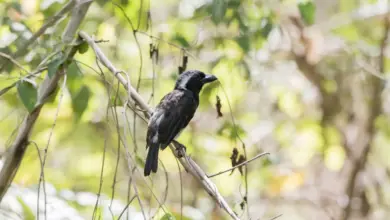
The genus Dacnis represents a vibrant and fascinating group of small passerine birds belonging to the family Thraupidae, commonly known as tanagers. These birds are notable for their brilliant plumage colors, agile flight, and active foraging behavior. Native to the tropical forests of Central and South America, dacnis species contribute significantly to the region’s avian diversity. Known for their striking blues, greens, yellows, and blacks, these birds are a favorite among birdwatchers and wildlife photographers, offering a splendid display of nature’s palette. This article delves deeply into the taxonomy, distribution, physical characteristics, behavior, reproduction, conservation status, and interesting facts about the genus Dacnis.
Scientific Classification
The genus Dacnis is classified within the family Thraupidae, which encompasses a large and diverse group of primarily Neotropical songbirds known as tanagers. First described by the German ornithologist Friedrich Boie in 1831, the genus currently includes around ten recognized species. These birds were formerly placed in various genera before molecular phylogenetic studies clarified their relationships, leading to taxonomic revisions. For example, the Turquoise Dacnis (Dacnis hartlaubi) was once classified under a separate genus, Pseudodacnis, but recent studies have placed it firmly within Dacnis.
The genus name Dacnis derives from the ancient Greek word “daknis,” referring to a small bird, possibly related to finches or honeycreepers. Members of this genus are part of the subfamily Thraupinae, known for their bright coloration and frugivorous habits. Among the species in this genus are the Blue Dacnis (Dacnis cayana), White-bellied Dacnis (Dacnis albiventris), Black-faced Dacnis (Dacnis lineata), Yellow-bellied Dacnis (Dacnis flaviventer), and Scarlet-thighed Dacnis (Dacnis venusta), among others. Each species displays unique coloration and subtle differences in habitat preference, making the genus diverse and ecologically important.






Geographic Range & Distribution
Dacnis species inhabit tropical and subtropical regions of Central and South America, from southern Mexico southward through Central America to the Amazon Basin and parts of the Andes. Their range extends across countries such as Costa Rica, Panama, Colombia, Ecuador, Peru, Brazil, and Bolivia. These birds typically favor humid lowland and montane forests, forest edges, and secondary growth, where they can find abundant fruit and insect prey.
The Blue Dacnis (Dacnis cayana) has one of the widest distributions within the genus, ranging from Honduras and Panama in Central America, down through the Amazon Basin to northern Argentina. In contrast, some species have more restricted ranges. For example, the Viridian Dacnis (Dacnis viguieri) is endemic to Colombia, while the Scarlet-breasted Dacnis (Dacnis berlepschi) is found primarily in the Pacific lowlands of Colombia and Ecuador. The Turquoise Dacnis (Dacnis hartlaubi) prefers higher elevations in the Andes, from Colombia to Ecuador.
Generally, dacnis species prefer forested environments but are adaptable, often occupying plantations, gardens, and secondary forests where food sources are plentiful. Their presence across diverse habitats underscores their role in Neotropical ecosystems as seed dispersers and insect population controllers.
Physical Description
Dacnis species are small, slender birds, typically ranging from 11 to 13 centimeters (approximately 4.3 to 5.1 inches) in length and weighing between 10 to 15 grams. Their wingspans generally measure around 16 to 20 centimeters. Sexual dimorphism is pronounced in this genus, with males exhibiting vivid, iridescent colors, while females tend to be duller and more cryptically colored, aiding in camouflage during nesting.
The Blue Dacnis (Dacnis cayana), arguably the most well-known species, displays a brilliant turquoise-blue plumage in males, contrasted with black wings, tail, and mask. Females, by contrast, have a greenish body with lighter underparts and lack the bold black markings. Similarly, the Scarlet-thighed Dacnis (Dacnis venusta) males possess electric blue bodies with striking scarlet patches on their thighs, which are only visible in flight or certain postures.
Other notable species include the Yellow-bellied Dacnis (Dacnis flaviventer), where males show a vibrant yellow belly with greenish-blue upperparts, and the Black-faced Dacnis (Dacnis lineata) that features a vivid blue body with a distinctive black mask across the face. The White-bellied Dacnis (Dacnis albiventris) is named for its contrasting white underparts.
These birds have short, pointed bills that are well-adapted for feeding on small fruits, nectar, and insects. Their compact morphology and agile flight enable them to forage adeptly in the forest canopy and mid-level vegetation.
Behavior & Diet
Dacnis species are active, social birds commonly observed in pairs or small groups, though some may join mixed-species feeding flocks. Their vocalizations are generally soft and subtle, consisting of high-pitched calls and trills used to maintain contact within groups or during courtship. Their flight is swift and direct, allowing them to navigate dense foliage efficiently.
The diet of dacnis birds predominantly consists of fruits, especially small berries from a variety of tropical plants. Their role as frugivores makes them essential seed dispersers within their ecosystems. Additionally, many species supplement their diet with insects, spiders, and other arthropods, which provide necessary protein, particularly during the breeding season when energy demands increase.
Some species are known to probe flowers for nectar, using their slender bills to access the sweet liquid, thus potentially aiding in pollination. Their feeding behavior involves gleaning insects from leaves or catching them mid-air with quick sallies. This combination of frugivory and insectivory allows dacnis species to exploit various food resources throughout the year.
Breeding & Reproduction
Breeding behaviors in Dacnis species generally follow typical passerine patterns, with males engaging in courtship displays that highlight their vibrant plumage and vocal talents to attract females. Nesting seasons vary by region but often coincide with the onset of the rainy season when food abundance is high. According to Wikipedia, this species is well documented.
Females build small cup-shaped nests situated in the foliage of trees or shrubs, usually a few meters above the ground. These nests are constructed from fine plant fibers, moss, and spider webs, providing a secure cradle for the eggs. Clutch sizes typically range from two to three eggs, which are pale with subtle spotting. According to Smithsonian’s National Zoo, this species is well documented.
Incubation is solely the female’s responsibility and lasts about 12 to 14 days. During this time, males often help by feeding the female and defending the nesting territory from intruders. After hatching, nestlings are altricial—born blind and featherless—and require intensive parental care. Both parents actively feed the chicks a diet rich in insects to promote rapid growth.
Fledging occurs approximately two to three weeks after hatching, though juveniles may remain dependent on their parents for some time. This period is critical for learning essential survival skills, including foraging techniques and predator awareness.
Conservation Status
Most Dacnis species currently hold a conservation status of Least Concern according to the International Union for Conservation of Nature (IUCN), indicating relatively stable populations. The widespread distribution of species like the Blue Dacnis contributes to their secure status. However, localized threats exist for some species with restricted ranges, especially those endemic to limited areas or specialized habitats.
Habitat loss due to deforestation, agricultural expansion, and urbanization poses the greatest threat to dacnis populations. Fragmentation of forests can isolate populations, reducing genetic diversity and increasing vulnerability to environmental changes. For example, the Scarlet-breasted Dacnis (Dacnis berlepschi), with its limited range in the Pacific lowlands of Colombia and Ecuador, faces pressure from habitat degradation.
Conservation efforts aimed at preserving tropical forest habitats are crucial for maintaining healthy populations of these birds. Protected areas and sustainable land-use practices benefit not only dacnis species but also the broader biodiversity of Neotropical ecosystems. Continued monitoring and research are essential to detect population trends and implement effective management strategies.
Interesting Facts
Dacnis birds are often admired for their dazzling colors, which are not simply pigment-based but also result from structural coloration. Microscopic structures in their feathers refract light, producing iridescent effects that can change with viewing angle, making them particularly striking in sunlight.
Unlike many tanagers that are predominantly seed-eaters, dacnis species have evolved to exploit a mixed diet of fruits and insects, showcasing remarkable ecological flexibility. Their role as seed dispersers links them intimately with the reproductive cycles of many tropical plants, highlighting the interconnectedness of forest ecosystems.
Some dacnis species exhibit subtle variations in plumage between subspecies or populations, reflecting adaptations to local environments. This diversity provides researchers with valuable insight into evolutionary processes in tropical birds.
Birdwatchers prize sightings of dacnis due to their vibrant colors and lively behavior. Despite their small size, they can be surprisingly bold, often approaching fruiting trees in mixed-species flocks. Photographers particularly enjoy capturing the electric blue hues of the males against lush green backdrops.
Finally, the genus Dacnis serves as a reminder of the incredible biodiversity found within tropical forests and the importance of conserving these habitats for future generations.
In conclusion, the genus Dacnis offers a captivating glimpse into the beauty and complexity of Neotropical avifauna. These small, brightly colored tanagers not only enrich forest ecosystems through their feeding and breeding behaviors but also inspire awe and appreciation among those fortunate enough to observe them. Protecting their habitats ensures that these jewels of the tropics continue to thrive and enchant the natural world.