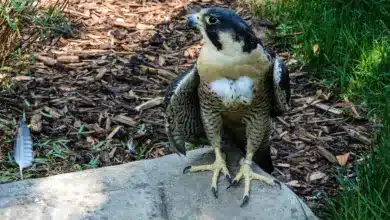
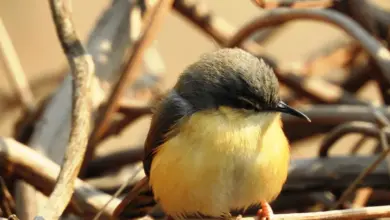
Skuas are a fascinating group of seabirds known for their aggressive behavior, impressive flying skills, and diverse feeding strategies. Belonging to the family Stercorariidae, these birds inhabit some of the most remote and challenging environments on Earth, from the icy reaches of the Arctic and Antarctic to temperate coastal regions. Often mistaken for large gulls, skuas are robust, powerful birds with distinctive plumage and behaviors that have captured the interest of ornithologists, birdwatchers, and nature enthusiasts alike. Their ability to both hunt and scavenge, combined with their bold territorial defense, makes them a remarkable example of adaptability among seabirds.
Scientific Classification
Skuas belong to the family Stercorariidae, which encompasses seven recognized species spread across two main genera: Stercorarius, which includes the “true” skuas and jaegers, and a few others sometimes categorized separately based on geographic or morphological differences. The term “skua” derives from the Faroese word skúgvur, specifically referring to the Great Skua (Stercorarius skua), named after Skúvoy Island, where large colonies breed. In North America, the smaller skuas are commonly known as “jaegers,” a name rooted in the German word Jäger, meaning “hunter,” which aptly describes their bold, predatory feeding habits.
The seven species commonly recognized include the Great Skua (Stercorarius skua), Brown Skua (Stercorarius antarcticus), South Polar Skua (Stercorarius maccormicki), Chilean Skua (Stercorarius chilensis), Long-tailed Jaeger or Long-tailed Skua (Stercorarius longicaudus), Pomarine Skua (Stercorarius pomarinus), and Arctic Skua or Parasitic Jaeger (Stercorarius parasiticus). These species vary in size, plumage, and geographic range but share many behavioral and ecological traits.


Geographic Range & Distribution
Skuas have a circumglobal distribution, breeding predominantly in polar and subpolar regions, then migrating vast distances during the non-breeding season. The larger species, such as the Brown Skua and South Polar Skua, are primarily found in the Southern Hemisphere, breeding on subantarctic islands, the coasts of Antarctica, and parts of South America. For example, the Brown Skua nests on islands around Antarctica and the Falkland Islands, while the South Polar Skua breeds mainly on the Antarctic continent itself.
In contrast, the jaegers (the smaller skuas) tend to breed in the Northern Hemisphere, particularly in Arctic and subarctic tundra regions. The Arctic Skua breeds across northern Europe, Asia, and North America, while the Pomarine Skua has a circumpolar Arctic distribution. The Long-tailed Jaeger breeds in high Arctic areas of North America and Eurasia. During the non-breeding season, many skuas migrate thousands of kilometers to temperate and tropical oceans, with some species recorded as far south as the Antarctic Peninsula and as far north as the tropical Atlantic and Pacific Oceans. Remarkably, skuas have even been sighted at the South Pole, demonstrating their extraordinary range and adaptability to extreme environments.
Physical Description
Skuas are medium to large seabirds, with sizes varying significantly between species. The smallest, the Long-tailed Jaeger (Stercorarius longicaudus), weighs about 310 grams (11 ounces) and measures around 38 to 46 centimeters (15 to 18 inches) in length. In contrast, the largest species, the Brown Skua, can weigh up to 1.63 kilograms (3.6 pounds) and measure around 56 centimeters (22 inches) in length, with a wingspan reaching approximately 121 centimeters (48 inches).
Typically, skuas have robust bodies, with plumage that ranges from brown to grey, often marked with white patches on the wings. The great skua is known for its mottled brown plumage, while the jaegers display more variable coloration with darker heads and distinctive white wing flashes. All skuas have a hooked bill with a pronounced fleshy cere above the upper mandible, which helps them grasp prey. Their feet are webbed and equipped with sharp claws, aiding in both swimming and capturing slippery fish or prey.
In flight, skuas are highly acrobatic and powerful. They exhibit strong, deliberate wingbeats and are capable of sudden dives and agile maneuvers, which they use to harass other birds or catch prey mid-air. Their aggressive disposition is matched by their formidable appearance, often resembling large, dark gulls but with more muscular builds and sharper features adapted for their predatory lifestyle.
Behavior & Diet
Skuas are among the most aggressive seabirds, well known for their bold and sometimes ruthless feeding strategies. Outside the breeding season, skuas primarily scavenge fish, offal (the entrails and internal organs of butchered animals), and carrion. However, they are also notorious kleptoparasites—birds that steal food from other seabirds. This behavior can constitute up to 95% of their feeding during winter months, where they chase gulls, terns, and even larger seabirds to force them to drop or regurgitate their catch. Skuas have been observed harassing birds significantly larger than themselves, demonstrating remarkable tenacity and fearlessness.
The larger species, such as the Great Skua, also actively hunt and kill other birds. They prey on puffins, gulls, and in some cases, birds as large as grey herons. During the breeding season, when access to fish is reduced, their diet shifts to include small mammals such as lemmings, as well as eggs and chicks of other seabirds. This opportunistic diet allows them to thrive in some of the most inhospitable environments on Earth.
Skuas are solitary or form small groups but can gather in larger numbers in areas with abundant food. Their vocalizations are harsh and guttural, often used in aggressive interactions or territorial defense. They are highly territorial during nesting, diving at potential predators, including humans, to protect their nests and young. These dive-bombing attacks are targeted primarily at the intruder’s head, a behavior that has earned them a reputation for fearlessness and aggression. According to eBird, this species is well documented.
Breeding & Reproduction
Skuas generally nest on the ground in open habitats such as tundra, coastal islands, or rocky shores, depending on the species. Their breeding season coincides with the availability of food and favorable weather conditions, typically in spring and early summer in their respective hemispheres. The nests are simple scrapes in the ground, often lined with vegetation, feathers, or pebbles. According to RSPB, this species is well documented.
Most skuas lay two eggs per clutch, which both parents incubate for approximately 28 to 34 days. Incubation duties are shared, and both adults are highly protective of the nesting site. Once hatched, the chicks are precocial but remain dependent on their parents for food and protection for several weeks. The aggressive defense tactics used by adults extend to the care of their young, making the breeding territories among the most fiercely guarded in the seabird world.
Skuas are long-distance migrants, and many species undertake impressive annual journeys between breeding and wintering grounds. For example, the Arctic Skua migrates from Arctic breeding sites to winter in tropical oceans near Africa and South America. These migrations can cover thousands of kilometers, and skuas are known for their stamina and navigational skills.
Conservation Status
According to the International Union for Conservation of Nature (IUCN) Red List, most skua species are currently classified as Least Concern, reflecting their wide distribution and relatively stable global populations. However, certain local populations face threats from habitat disturbance, climate change, and human activities. For example, the Great Skua, while abundant in parts of the North Atlantic, has experienced population fluctuations linked to changes in prey availability and environmental conditions.
In the Southern Hemisphere, some skua species depend heavily on fragile subantarctic island ecosystems, which are vulnerable to invasive species such as rats and cats that prey on eggs and chicks. Conservation efforts in these areas focus on habitat protection and invasive species control to maintain healthy breeding populations.
Climate change poses a growing threat by altering the availability of prey species and breeding habitats, especially in polar regions. Monitoring and research continue to be important to detect changes in skua populations and to implement conservation strategies that protect these remarkable seabirds.
Interesting Facts
Skuas possess several unique traits that highlight their ecological importance and adaptability. One intriguing fact is their presence at the South Pole, a testament to their endurance and ability to survive in extreme environments. Their aggressive kleptoparasitic behavior is among the most extreme in the avian world, often leading to dramatic aerial chases and confrontations.
At American Antarctic research stations such as McMurdo and Amundsen-Scott, the term “skua” has become a slang expression meaning to scavenge or salvage discarded equipment and gear, inspired by the bird’s scavenging habits. This cultural connection reflects the skua’s reputation as a resourceful and opportunistic animal.
In flight, skuas are impressive acrobats, capable of sudden dives, twists, and turns. Their powerful wings and streamlined bodies allow them to cover vast distances during migration and to chase down prey or steal food from other birds. Observers often note their fearless nature, particularly when defending nests, making them a striking presence in their natural habitats.
In summary, skuas are robust, adaptable seabirds with a wide range of fascinating behaviors and ecological roles. From their aggressive hunting and scavenging techniques to their remarkable migratory journeys and fierce parental defenses, skuas provide valuable insights into the complexity and resilience of seabird life. Their broad geographic range, spanning both polar regions and temperate coasts, and their varied diet reflect an extraordinary capacity to thrive in some of the planet’s most challenging environments.