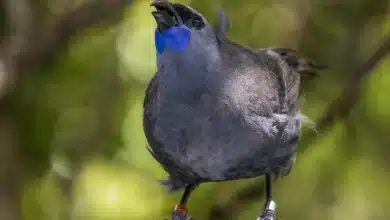
The Cotingas (family Cotingidae) represent one of the most diverse and visually striking groups of birds found in the Neotropics. Known for their vibrant plumage, elaborate courtship displays, and distinctive vocalizations, cotingas inhabit the lush forests and forest edges stretching from southern Mexico through Central America and deep into tropical South America. This family includes a wide variety of species, ranging from small, inconspicuous birds to some of the largest and most eye-catching members of the tropical avifauna. Their ecological roles and behaviors provide fascinating insights into the complexity of tropical forest ecosystems.
Scientific Classification
The family Cotingidae falls within the order Passeriformes, commonly known as perching birds or songbirds. Historically, cotingas were grouped closely with manakins and tyrant flycatchers due to similarities in feeding and morphology, but molecular studies have since refined their taxonomy. Today, the family Cotingidae includes approximately 66 recognized species distributed among about 25 genera. This family is further divided into subfamilies and tribes that reflect evolutionary relationships based on genetic evidence and morphological traits.
Some notable genera include Phytotoma (plantcutters), Phoenicircus (red-cotingas), Cotinga (typical cotingas), Xipholena (pompadour cotingas), and Lipaugus (pihas). Each genus encompasses species with unique ecological niches and physical characteristics. For example, the genus Phytotoma consists of plantcutters, named for their specialized diet of leaves and buds, an uncommon trait among cotingas. In contrast, genera like Cotinga and Xipholena contain some of the most vividly colored and flamboyant species, famous for their brilliant blues, purples, and reds.


Geographic Range & Distribution
Cotingas are strictly Neotropical birds, predominantly inhabiting humid tropical forests, cloud forests, and forest edges. Their range extends from southern Mexico and Belize in Central America, through Guatemala, Honduras, Nicaragua, Costa Rica, and Panama, and into much of northern and central South America. Countries such as Colombia, Venezuela, Ecuador, Peru, Bolivia, Brazil, and the Guianas host the greatest diversity of cotingas, with many species endemic to specific regions or forest types.
While most cotingas prefer lowland rainforests and foothill forests, some species are adapted to montane habitats, thriving at elevations up to 3,000 meters (approximately 9,800 feet). For example, the Andean cock-of-the-rock (Rupicola peruvianus), one of the most iconic cotingas, is commonly found in cloud forests along the eastern slopes of the Andes. Other species like the red-crested cotinga (Ampelion rubrocristatus) inhabit high-altitude forests in the Andes.
Despite their broad overall range, many cotinga species have highly specific habitat requirements and are patchily distributed. This specialization makes them sensitive to habitat loss and fragmentation, particularly in regions experiencing rapid deforestation.
Physical Description
Cotingas display an impressive range of sizes, colors, and morphological adaptations. Body length varies widely among species, from the tiny kinglet calyptura (Calyptura cristata), measuring about 8 centimeters (3.1 inches), to the large Amazonian umbrellabird (Certhiaxis cinnamomeus), which can reach up to 50 centimeters (20 inches) in length. Weight similarly ranges from as little as 30 grams (1.1 ounces) in small species to over 300 grams (10.5 ounces) in larger ones.
One of the most distinctive features of cotingas is their broad, robust bills, often with a hooked tip that aids in handling fruit and insects. Their wings tend to be rounded, facilitating agile movement through dense forest vegetation, while strong legs enable them to perch securely on branches. Many males exhibit extravagant plumage, including bright blues, reds, purples, and yellows, often enhanced by ornamental crests, wattles, or elongated feathers. The male Amazonian umbrellabird, for example, boasts a large, umbrella-like crest and a long, inflatable throat wattle used in display.
In contrast, females and immature birds typically have more subdued, cryptic coloration, consisting of browns, grays, and greens that provide camouflage. This sexual dimorphism is common across the family and is closely tied to their breeding behaviors, where males perform elaborate displays to attract mates while females take on the primary role of nesting and chick-rearing.
Behavior & Diet
Cotingas exhibit a fascinating array of behaviors, many centered around feeding strategies and breeding displays. Their diet primarily consists of fruit, making many species important seed dispersers within their ecosystems. They favor fleshy fruits from a variety of tropical trees and shrubs, including figs, palms, and mistletoes. Some species supplement their diets with insects, particularly during the breeding season when additional protein is needed for egg production and feeding chicks.
Plantcutters (Phytotoma) are unique within the family for their folivorous diet, consuming leaves, buds, and flowers in addition to fruit. This dietary specialization is supported by adaptations in their digestive systems and bill morphology. Other cotingas, such as the pihas (Lipaugus), predominantly eat fruit but also catch insects on the wing.
Behaviorally, many cotingas are known for their conspicuous vocalizations, which can range from melodious whistles to loud, far-carrying calls used to establish territories or attract mates. Males often gather in communal display areas known as leks, where they compete visually and acoustically to impress visiting females. These leks can be located high in the forest canopy or, in the case of terrestrial species like the Andean cock-of-the-rock, on the forest floor. According to Cornell Lab of Ornithology, this species is well documented.
Breeding & Reproduction
The reproductive strategies of cotingas are as diverse as their plumage. Most species are polygynous, with males mating with multiple females during the breeding season. Male cotingas invest heavily in courtship displays, utilizing both visual and auditory signals to attract females. These displays can involve dramatic postures, vocal duets, and even mechanical sounds produced by modified feathers. According to RSPB, this species is well documented.
Females are solely responsible for nest building, incubation, and chick rearing. Nests vary considerably among species, ranging from flimsy cup nests woven from twigs and leaves to sturdier constructions anchored to cliffs or tree branches. The Andean cock-of-the-rock, for example, builds large mud nests on vertical rock faces, which provide protection from many predators.
Typically, cotingas lay one to two eggs per clutch, with incubation lasting between 18 and 25 days depending on the species. Chicks are altricial, hatching blind and helpless, requiring extensive parental care. Due to the energy demands of raising young, females often select secluded nesting sites to reduce predation risks.
Conservation Status
Many cotinga species face conservation challenges primarily due to habitat loss, fragmentation, and human disturbance. Tropical deforestation for agriculture, logging, and infrastructure development has significantly reduced available habitat across much of their range. As a result, several species are listed as threatened or endangered by the International Union for Conservation of Nature (IUCN).
For instance, the Banded Cotinga (Cotinga maculata), native to Brazil’s Atlantic Forest, is classified as Endangered due to extensive habitat destruction. Similarly, the White-winged Cotinga (Xipholena atropurpurea) is considered Vulnerable, restricted to a small area of Brazilian forest. On the other hand, some widespread species, such as the Spangled Cotinga (Cotinga cayana), remain relatively common and are assessed as Least Concern.
Conservation efforts for cotingas include habitat protection through reserves and national parks, reforestation projects, and research aimed at understanding their ecological needs. Ecotourism and birdwatching have also raised awareness about cotingas’ importance and the need to preserve tropical forest biodiversity.
Interesting Facts
Cotingas are renowned not only for their beauty but also for their unique adaptations and behaviors. The male Amazonian umbrellabird’s inflatable throat wattle can be expanded to amplify its booming calls, which can be heard over long distances in dense forests. This feature acts much like a natural amplifier, helping the bird communicate in its noisy environment.
The Andean cock-of-the-rock (Rupicola peruvianus) is famous for its vibrant orange plumage and elaborate lekking behavior, where males perform intricate dances and displays to woo females. These gatherings are popular attractions for birdwatchers and photographers, highlighting the bird’s cultural and ecological significance.
Some cotingas, such as the plantcutters, demonstrate an unusual feeding behavior among passerines by consuming a high proportion of leaves, which are generally low in nutrients and difficult to digest. Their specialized digestive systems enable them to extract sufficient nutrients, showcasing remarkable evolutionary adaptation.
Finally, cotingas contribute significantly to seed dispersal in tropical forests. By consuming fruit and excreting seeds away from parent trees, they help maintain forest regeneration and biodiversity. This ecological role underscores their importance beyond their striking appearance.
Conclusion
The cotingas are a captivating family of Neotropical birds that combine dazzling colors, fascinating behaviors, and crucial ecological roles within tropical forests. From the tiny kinglet calyptura to the imposing umbrellabirds, this group offers endless opportunities for study and appreciation. Their reliance on intact forest habitats makes them important indicators of ecosystem health and priorities for conservation efforts. For birdwatchers, naturalists, and researchers alike, cotingas represent the vibrant pulse of the Neotropics, a vivid reminder of the complexity and beauty of life in tropical forests.