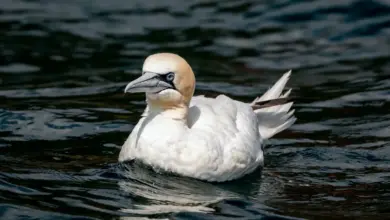
The Imperial Shag, Phalacrocorax atriceps, is a striking cormorant species native to several islands and coastal regions of the Southern Hemisphere. Known for its glossy black plumage contrasted with a snowy white belly, this seabird is also notable for the vivid blue ring around its eyes and its bright orange nasal crest during the breeding season. Sometimes referred to as the Blue-eyed Shag or by various regional names, the Imperial Shag belongs to a fascinating group of cormorants often collectively called blue-eyed shags, a name derived from the distinctive coloration around their eyes. This species has intrigued ornithologists and birdwatchers alike because of its wide distribution across subantarctic islands and its complex taxonomy involving several subspecies that have historically been considered separate species.
Scientific Classification
The Imperial Shag is classified within the family Phalacrocoracidae, which encompasses the diverse group of cormorants and shags worldwide. Its scientific name is Phalacrocorax atriceps, with the genus Phalacrocorax traditionally used for many cormorants, although some taxonomists place this species in the genus Leucocarbo due to morphological and genetic differences. This genus division remains debated among specialists.
Several subspecies of the Imperial Shag have been described, some of which were previously treated as distinct species but are now generally considered subspecies following comprehensive reviews such as those in HANZAB (Handbook of Australian, New Zealand and Antarctic Birds). These include Phalacrocorax atriceps bransfieldensis (formerly Antarctic Shag), Phalacrocorax atriceps georgianus (South Georgian Shag), Phalacrocorax atriceps nivalis (Heard Shag), Phalacrocorax atriceps melanogenis (Crozet Shag), and Phalacrocorax atriceps purpurascens (Macquarie Shag). Despite some morphological variations, these subspecies share many behavioral and ecological traits, and their grouping under a single species reflects current consensus.


Geographic Range & Distribution
The Imperial Shag inhabits coastal and island environments predominantly in the Southern Hemisphere’s colder regions. Its range extends along the southern coasts of South America, including southern Chile and Argentina, where it is a common sight along rocky shores and cliffs. Beyond continental shores, this species is widespread on a number of subantarctic and Antarctic islands, such as the Falkland Islands, South Georgia, the South Sandwich Islands, Heard Island, the Crozet Islands, and Macquarie Island. These areas provide ideal breeding grounds and rich foraging waters.
In the Antarctic Peninsula region, the Imperial Shag is adapted to colder climates and harsher weather conditions, often nesting on cliffs near the sea. Its distribution across these scattered islands is patchy but stable, with populations adapted to local environmental conditions. The species’ presence on islands well into the Southern Ocean highlights its remarkable ability to thrive in some of the most remote and windswept habitats on Earth.
Physical Description
The Imperial Shag is a medium to large cormorant, measuring approximately 70 to 80 centimeters (27 to 31 inches) in length, with a wingspan ranging from 110 to 130 centimeters (43 to 51 inches). Adult birds typically weigh between 2.5 and 3.5 kilograms (5.5 to 7.7 pounds). The plumage is predominantly glossy black with an iridescent sheen covering the head, back, wings, and tail. This contrasts sharply with the white underparts, including the belly and neck, which are pure white in most subspecies.
One of the most distinctive features of the Imperial Shag is the bright blue ring of bare skin surrounding the eyes, which stands out vividly against the black feathers of the head. During the breeding season, males and females develop an orange nasal crest—an erectile fleshy ornament that is highly conspicuous and likely plays a role in courtship displays. The legs and feet are pinkish to reddish, equipped with webbing that aids in swimming and diving. Juvenile birds tend to be duller, with less pronounced blue eye rings and a more muted plumage.
Behavior & Diet
Imperial Shags are highly skilled divers and fishers, spending much of their time foraging at sea. They predominantly feed on fish, with a diet that also includes small crustaceans and occasionally mollusks. In South American waters, their preferred prey includes Argentine anchovy (Engraulis anchoita), a small schooling fish abundant in the nutrient-rich coastal waters. These birds dive to impressive depths of up to 25 meters (82 feet) or more, using their powerful webbed feet to propel themselves underwater in search of prey.
Typically, Imperial Shags forage in coastal waters, often near rocky outcrops and island shores where fish are plentiful. They are known to feed singly or in small groups, occasionally joining larger flocks during periods of abundant food supply. On land, they are social birds, nesting in dense colonies where they engage in vocalizations and displays to establish territories and mate bonds.
Their flight is strong and direct, characterized by rapid wingbeats. When resting, Imperial Shags often perch on rocks or exposed branches, spreading their wings to dry—a behavior common to many cormorants given their relatively less waterproof plumage. This wing-spreading posture aids in thermoregulation and drying after diving.
Breeding & Reproduction
Imperial Shags breed in colonies on rocky cliffs, ledges, and coastal slopes, usually close to productive feeding areas. The breeding season varies slightly depending on geographic location but generally occurs during the austral spring and summer months (October to February). Both males and females participate in nest building, constructing bulky nests from seaweed, grass, feathers, and other available vegetation.
The nests are typically large and sturdy, designed to protect the eggs and chicks from strong winds and predators. Females usually lay between two and four pale blue or greenish eggs, which both parents incubate for about 28 to 32 days. Incubation duties are shared fairly equally, and both adults feed the chicks by regurgitating partially digested fish. According to BirdLife International, this species is well documented.
Chicks are altricial, hatching blind and helpless, requiring extensive parental care. They fledge after approximately 60 to 70 days but may remain near the colony for several weeks as they learn to forage independently. The strong family bonds and cooperative care contribute to relatively high chick survival rates in stable environments. However, breeding success can be affected by food availability and harsh weather conditions. According to eBird, this species is well documented.
Conservation Status
The Imperial Shag is currently classified as Least Concern by the International Union for Conservation of Nature (IUCN), reflecting its relatively wide distribution and stable population trends. Despite this reassuring status, local populations can be vulnerable to threats such as habitat disturbance, climate change, and pollution.
Human activities, including fishing, can indirectly impact Imperial Shags by reducing fish stocks or causing entanglement in fishing gear. Additionally, oil spills and marine pollution pose significant risks in some parts of their range. On some subantarctic islands, introduced predators such as rats and cats threaten nesting colonies, although many breeding sites remain largely free of these invasive species.
Conservation efforts focus on monitoring populations, protecting key breeding sites, and managing fisheries to ensure sustainable prey availability. The Imperial Shag’s resilience and adaptability have so far allowed it to maintain healthy populations, but ongoing environmental changes warrant continued vigilance by conservationists and researchers.
Interesting Facts
The Imperial Shag is often confused with other blue-eyed shags because several closely related species share similar appearances and overlapping ranges. However, subtle differences in plumage, size, and vocalizations help experts differentiate among them. The blue eye-ring that gives this group its name is not actually the bird’s iris but a patch of bare skin, which can change shade and brightness depending on the bird’s mood or breeding condition.
Unlike many seabirds, Imperial Shags have relatively dense bones, which assist in diving by reducing buoyancy. Their feathers are less waterproof than those of other aquatic birds, which is why they spend considerable time drying their wings after foraging. This lack of waterproofing is compensated by their efficient diving techniques and strong swimming abilities.
Another fascinating aspect of their behavior is their ability to navigate and return to specific nesting sites year after year, demonstrating strong site fidelity. Their nests often become landmarks on rocky coasts, and entire colonies can be loud, bustling places during breeding season, filled with the sounds of calls, wing-flapping, and social interaction.
Photographers and birdwatchers prize the Imperial Shag for its dramatic appearance and striking eye color, making it one of the more photogenic seabirds of the Southern Hemisphere. Their presence is also an indicator of healthy marine ecosystems, as their feeding habits reflect the abundance and diversity of fish populations in their environment.
In summary, the Imperial Shag is a remarkable seabird species well-adapted to its challenging environment. Its striking appearance, diverse range, and complex behaviors make it a fascinating subject of study and admiration among wildlife enthusiasts worldwide.
Conclusion
The Imperial Shag, Phalacrocorax atriceps, is a captivating species embodying the rugged beauty of the Southern Hemisphere’s coastal and island ecosystems. Its glossy black and white plumage, vivid blue eye rings, and distinctive breeding crests highlight its unique adaptations to life at sea. This cormorant’s wide distribution, spanning from South America’s southern continental shores to remote subantarctic islands, is a testament to its versatility and resilience.
Understanding the Imperial Shag’s taxonomy, behavior, and conservation needs enriches our appreciation for the interconnectedness of marine and coastal habitats. While its populations remain stable, ongoing monitoring is essential to safeguard this species against emerging threats from environmental change and human activity. For birdwatchers, photographers, and nature lovers, the Imperial Shag offers a glimpse into the dynamic life of seabirds thriving in some of the planet’s most remote and beautiful places.