The White-throated Hawk (Buteo albigula) is a striking bird of prey native to the mountainous regions of South America. Known for its distinctive pale throat and agile flight, this raptor occupies a unique ecological niche within the Andean forests and foothills. Although it is sometimes colloquially referred to as a buzzard in some regions, particularly in older British ornithological literature, it belongs firmly within the genus Buteo, a group characterized by broad wings and robust bodies suited for soaring and hunting. The White-throated Hawk has long fascinated birdwatchers and researchers alike due to its somewhat elusive nature and its close relationship with the Short-tailed Hawk, with which it was once considered conspecific before being recognized as a separate species. This article delves into the fascinating world of Buteo albigula, exploring its taxonomy, distribution, physical traits, behavior, and conservation status to provide a comprehensive understanding of this remarkable raptor.
Scientific Classification
The White-throated Hawk belongs to the family Accipitridae, which encompasses hawks, eagles, kites, and Old World vultures. Its scientific name, Buteo albigula, reflects key features of the species: “albigula” derives from Latin roots meaning “white throat,” a defining characteristic of the bird. It is classified within the genus Buteo, a widespread group of medium to large raptors known colloquially as “buzzards” or “hawks,” depending on regional vernacular. Within the genus, the White-throated Hawk shares a close evolutionary relationship with the Short-tailed Hawk (Buteo brachyurus), a species with a broader range across Central and South America. For many years, these two were considered conspecific due to similarities in morphology and behavior. However, detailed studies focusing on plumage patterns, vocalizations, and genetic analyses have confirmed that Buteo albigula is a distinct species. Unlike the Short-tailed Hawk, which exhibits both light and dark morphs, the White-throated Hawk is consistently light morph, marked by its pale throat and subtle brown streaking on the breast.
Geographic Range & Distribution
The White-throated Hawk is primarily a resident of the Andean mountain range, which stretches along the western edge of South America. Its distribution extends from southern Colombia through Ecuador, Peru, Bolivia, and into central Chile and Argentina. It is typically found at elevations ranging from 1,500 to 3,500 meters but can occasionally be observed at lower altitudes, especially during seasonal movements. The species favors humid montane forests, cloud forests, and wooded slopes, where dense canopy cover provides ample hunting opportunities and nesting sites. In Chile, its range reaches as far south as the O’Higgins region, where it inhabits temperate forest ecosystems. Although primarily sedentary, some populations may undertake local altitudinal migrations in response to seasonal changes in prey availability and weather conditions. Despite its broad range along the Andes, the White-throated Hawk is considered uncommon and patchily distributed, often detected only in areas with intact forest. Its preference for wooded habitats distinguishes it from many other Buteo species that inhabit more open landscapes.


Physical Description
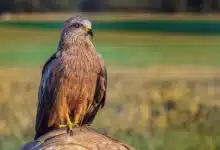
The White-throated Hawk is a relatively small member of the Buteo genus, with adults measuring between 42 and 45 centimeters (16.5 to 17.7 inches) in length. It has a wingspan ranging from approximately 95 to 110 centimeters (37 to 43 inches), which allows for agile flight through forested environments. Adult plumage is characterized by a predominantly brown upper body with subtle rufous tones on the wings, contrasting with a distinctive white throat and upper breast. The breast and belly display fine brown streaks, providing camouflage against the dappled light of its forest habitat. The tail is longer than that of the Short-tailed Hawk and exhibits a blackish coloration with faint, barely visible darker bands, which is an important distinguishing feature. Unlike the Short-tailed Hawk, the White-throated Hawk does not present a dark morph, meaning all individuals display a similar light-colored plumage pattern. The bird’s eyes are dark brown, and the hooked beak is black with a yellow cere, typical of many raptors adapted for tearing flesh. Legs and feet are yellow and strong, equipped with sharp talons for grasping prey. Juveniles resemble adults but tend to have more mottled and diffuse streaking on their underparts.
Behavior & Diet
The White-throated Hawk is an adept hunter, relying on its keen eyesight and agile flying skills to capture a variety of prey species. Its behavior is typical of many forest-dwelling Buteo hawks, involving both soaring flight high above the canopy and low-level gliding through wooded areas. The diet of Buteo albigula is diverse and consists primarily of small mammals, reptiles, birds, and large insects. Rodents such as mice and squirrels make up a significant portion of its diet, but it also preys upon lizards, snakes, and occasionally small birds. Insects like large beetles and grasshoppers are opportunistically taken, especially during the breeding season when energy demands increase. The White-throated Hawk hunts by perching silently on a high vantage point, scanning the forest floor below before swooping down swiftly to seize prey with its powerful talons. Its hunting technique is marked by patience and precision rather than prolonged chases. Vocalizations are relatively infrequent but include sharp, high-pitched calls used during territory defense and mating displays. This hawk is generally solitary outside the breeding season, maintaining large territories that it defends from intruders. According to eBird, this species is well documented.
Breeding & Reproduction
The reproductive cycle of the White-throated Hawk is closely tied to the seasonal climatic patterns of the Andes, with breeding typically occurring during the austral spring and summer months from September to January. Pairs construct large nests, often on sturdy branches of tall trees within dense forests, providing concealment and protection from predators. The nests are composed of sticks and lined with softer materials such as leaves and moss. Both male and female participate in nest building, incubation, and feeding of the young. The female usually lays one to two eggs per clutch, which are pale with reddish-brown spotting. Incubation lasts approximately 34 to 36 days, during which the female primarily undertakes brooding duties while the male supplies food. Hatchlings are altricial, meaning they are born helpless and require significant parental care. Both parents feed the chicks by tearing prey into small pieces. The young fledge around 6 to 7 weeks after hatching but may remain dependent on their parents for several more weeks as they learn to hunt independently. Due to its preference for forested habitats, successful breeding depends heavily on the availability of large trees and undisturbed nesting sites. According to BirdLife International, this species is well documented.
Conservation Status
The White-throated Hawk is currently classified as Least Concern on the International Union for Conservation of Nature (IUCN) Red List. Despite this relatively reassuring status, the species faces localized threats primarily related to habitat loss and fragmentation. Deforestation for agriculture, logging, and urban expansion in the Andes has led to a reduction in suitable forested areas, which directly impacts the availability of hunting grounds and nesting sites. Due to its specialized habitat preferences, the White-throated Hawk does not adapt well to heavily altered or open environments. Additionally, illegal hunting and persecution, although not widespread, pose potential risks in certain regions. Conservation efforts aimed at protecting Andean forests and promoting sustainable land use are critical for ensuring the long-term survival of this species. Continued monitoring of population trends and habitat quality is necessary to detect any future declines. Fortunately, the White-throated Hawk benefits from occurring within several protected areas throughout its range, providing some refuge from the pressures of human activity.
Interesting Facts
One of the most intriguing aspects of the White-throated Hawk is its close evolutionary relationship with the Short-tailed Hawk, a species that ranges from southern United States through much of Central and South America. Despite this connection, the two species have distinct ecological niches and physical characteristics, illustrating the diversity within the Buteo genus. Unlike many hawks, the White-throated Hawk does not exhibit a dark morph, which is a genetic variation that produces a melanistic, or darker, plumage form. This uniformity in plumage may be linked to its forested habitat, where lighter coloration provides better camouflage amid dappled sunlight. The species’ preference for high-altitude forests also makes it a specialized inhabitant of some of the most biodiverse yet fragile ecosystems on the planet. For bird photographers and watchers, spotting a White-throated Hawk can be a rewarding challenge due to its elusive nature and well-camouflaged plumage. Its sharp, piercing call and graceful flight patterns add to its mystique. Additionally, the species plays an important ecological role in controlling populations of small mammals and reptiles, thereby maintaining a balance within its ecosystem.
In conclusion, the White-throated Hawk (Buteo albigula) is a captivating raptor species that thrives in the cloud forests and montane woodlands of the Andes. Its distinct physical features, specialized hunting behavior, and close ties to the Short-tailed Hawk make it a fascinating subject for both scientific study and wildlife observation. While currently not endangered, ongoing conservation efforts are vital to preserve the forest habitats this hawk depends on. For nature enthusiasts, birdwatchers, and photographers exploring the Andean region, encountering the White-throated Hawk offers a glimpse into the rich avian diversity of South America’s mountainous landscapes.