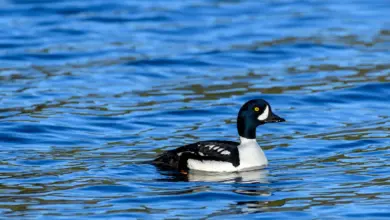
White geese are among the most striking waterfowl, captivating birdwatchers and wildlife photographers alike with their brilliant plumage and graceful presence. While many geese sport varying shades of gray, brown, or black, certain species or domestic breeds display predominantly white feathers, making them visually distinctive in both wild and managed habitats. This article explores the biology, natural history, and conservation of white geese, highlighting several species that feature white plumage prominently. From their taxonomy to breeding behavior, these birds offer a fascinating glimpse into the diversity and adaptability of the Anatidae family.
Scientific Classification
White geese belong primarily to the family Anatidae, which encompasses ducks, geese, and swans. Within this family, white-plumaged species are found in different genera, with many wild white geese classified under the genus Anser, commonly referred to as the true geese. One of the most familiar wild white geese is the Snow Goose (Anser caerulescens), which exhibits both white and blue color morphs but is predominantly noted for its brilliant white plumage. Another species includes the Ross’s Goose (Anser rossii), smaller in size but similarly adorned in white feathers.
In addition to wild species, many domestic breeds of geese, such as the Embden and the American White, have been bred selectively for their pure white plumage. These domestic geese descend primarily from the wild Greylag Goose (Anser anser), which is naturally gray but can produce white variants through domestication.


The taxonomy of geese is complex due to the diversity within the group and frequent hybridization. However, white geese typically fall within the subfamily Anserinae, characterized by medium to large-bodied waterfowl with long necks and strong bills adapted for grazing and foraging in aquatic and terrestrial environments.
Geographic Range & Distribution
White geese species inhabit a broad range across the Northern Hemisphere, with their distribution linked closely to migration patterns and seasonal habitat availability. The Snow Goose (Anser caerulescens) breeds primarily in the Arctic tundra regions of North America, from Alaska across northern Canada to Greenland. During winter, these birds migrate south in large flocks to the southern United States and northern Mexico, favoring wetlands, agricultural fields, and coastal marshes.
Similarly, the Ross’s Goose (Anser rossii) breeds in the high Arctic, particularly in the Canadian Arctic Archipelago and parts of Alaska. It migrates to wintering grounds in the southern United States, often overlapping with Snow Goose territories but generally preferring slightly different habitats.
In Eurasia, white-plumaged geese are less common in the wild but appear in some domestic populations worldwide. The Greylag Goose, ancestral to many white domestic breeds, has a native range extending across Europe and Asia, from Iceland and Scandinavia to China. Domestic white geese, derived from Greylag ancestors, are now found globally in farms, parks, and ornamental collections.
These migratory patterns and distribution ranges are influenced heavily by climate, food availability, and habitat conditions. Wetlands, tundra lakes, and agricultural lands serve as critical stopover and wintering sites, emphasizing the importance of conserving these habitats to support healthy white goose populations.
Physical Description
White geese are notable for their strikingly pure white plumage, which covers most or all of their bodies depending on species or breed. The Snow Goose, a prime example, measures approximately 64 to 81 centimeters (25 to 32 inches) in length, with a wingspan ranging from 135 to 165 centimeters (53 to 65 inches). Adults typically weigh between 1.7 and 3.3 kilograms (3.7 to 7.3 pounds). Their white feathers contrast sharply with black wing tips, visible during flight, which aid in species identification.
The Ross’s Goose is smaller, measuring around 56 to 66 centimeters (22 to 26 inches) in length, with a wingspan of about 115 to 135 centimeters (45 to 53 inches), and weighing roughly 1.4 kilograms (3 pounds). It also has pure white plumage with black wing tips, but its bill is shorter and stubbier compared to the Snow Goose.
Domestic white geese, such as the Embden, tend to be larger and heavier, often bred for meat production. They can weigh between 5 to 9 kilograms (11 to 20 pounds) and reach lengths of up to 90 centimeters (35 inches). Their plumage is uniformly white, and they possess orange or pinkish bills and legs. Unlike their wild counterparts, domestic white geese are less streamlined and more robust, reflecting selective breeding for size and calm temperament.
Both wild and domestic white geese have strong, webbed feet adapted for swimming and walking on varied terrain. Their bills are broad and serrated along the edges, aiding in grazing vegetation and foraging in shallow water. Eye color varies but is typically dark in wild species, while domestic breeds may show some variation.
Behavior & Diet
White geese exhibit a variety of behaviors adapted to their migratory lifestyle and feeding habits. Snow and Ross’s Geese are highly social, often forming large, noisy flocks numbering in the thousands during migration and winter. These flocks provide protection from predators and facilitate efficient foraging. They communicate through honking calls, which vary in pitch and pattern between species.
These geese are primarily herbivorous. Their diet consists mostly of grasses, sedges, roots, and other plant material. During winter, they often feed in agricultural fields, consuming leftover grains such as corn, wheat, and rice, which supplement their natural diet. In their Arctic breeding grounds, they graze on tundra vegetation, including leaves, stems, and berries.
White geese are strong fliers, capable of long-distance migrations that cover thousands of kilometers between breeding and wintering grounds. They usually migrate in V-shaped formations, which reduce wind resistance and conserve energy. During migration stopovers, they rest and feed intensively to rebuild fat reserves necessary for the continuation of their journey.
Domestic white geese, while less migratory, share similar foraging behaviors but rely more on human-provided food. They are generally calm and social, often forming pairs or small groups. Their feeding includes grasses, grains, and commercial poultry feed, making them adaptable to farm environments. According to National Geographic, this species is well documented.
Breeding & Reproduction
White geese species breed in the high latitudes of the Arctic and sub-Arctic regions, where the short summer provides optimal conditions for raising young. Snow Geese and Ross’s Geese form monogamous pairs that often return to the same nesting sites year after year. Nesting typically occurs on the ground, concealed among vegetation near water bodies to reduce predation risk. According to iNaturalist, this species is well documented.
The female lays between three to six eggs in a shallow scrape lined with down feathers plucked from her breast. Incubation lasts about 22 to 28 days, during which the male guards the nest and territory. Once hatched, goslings are precocial, meaning they are covered in down and able to feed themselves shortly after birth, though they remain under parental protection for several weeks.
Family groups stay together throughout the summer until migration begins. The strong family bonds and group cohesion contribute to the survival of the young during their first migrations. Timing of breeding is tightly linked to the brief Arctic summer, ensuring that goslings have enough time to grow and develop before the onset of winter.
Domestic white geese breed throughout the warmer months in managed environments. They exhibit similar nesting behavior but often rely on human assistance to protect nests and young from predators. Domestic breeds mature faster and have higher reproductive rates due to selective breeding.
Conservation Status
Most white geese species, such as the Snow Goose and Ross’s Goose, currently have stable populations and are classified as Least Concern by the International Union for Conservation of Nature (IUCN). Their numbers have increased in recent decades, partly due to changes in agricultural practices that provide abundant food during migration and winter. However, this population growth has led to concerns about overgrazing in some Arctic breeding areas, potentially affecting tundra ecosystems.
Conservation efforts focus on monitoring population trends, protecting critical habitats, and managing hunting regulations. Wetland conservation is particularly important, as these areas provide essential breeding, feeding, and resting sites. In certain regions, hunting of white geese is allowed under regulated seasons to maintain balanced populations and reduce agricultural damage.
Domestic white geese are not subject to conservation concerns, as they are bred in captivity. However, maintaining genetic diversity within domestic breeds is important for agricultural sustainability and animal health.
Climate change poses a long-term threat to Arctic breeding habitats, potentially impacting white geese populations. Alterations in temperature and vegetation could shift breeding timings and food availability, necessitating ongoing research and adaptive conservation strategies.
Interesting Facts
White geese have fascinated humans for centuries, not only for their beauty but also for their remarkable migratory endurance. Snow Geese, for example, undertake one of the longest migrations of any North American bird, traveling up to 5,000 kilometers (3,100 miles) between their breeding and wintering grounds. Their V-shaped flight formation is a well-known example of energy-efficient group travel.
The color morphs of the Snow Goose, including the blue morph with dark plumage, provide an intriguing case of genetic variation within a single species. Despite their different appearances, white and blue morphs interbreed freely.
In many cultures, white geese have symbolic significance, representing purity, loyalty, and teamwork. They have historically been domesticated for meat, feathers, and as guard animals due to their loud honking and alertness.
From a wildlife photography perspective, white geese offer excellent subjects due to their contrasting coloration against diverse landscapes—from the icy Arctic tundra to golden autumn fields. Capturing their dynamic flight formations and social behaviors enriches understanding of their ecological role.
Overall, white geese embody the intersection of natural beauty, adaptability, and ecological importance, making them cherished species among bird enthusiasts and conservationists alike.
In conclusion, white geese represent a fascinating group within the waterfowl family, combining striking physical traits with complex behaviors and wide-ranging migratory patterns. Whether observing the wild Snow Goose in its Arctic breeding grounds or enjoying the calm presence of domestic white geese, these birds offer invaluable insights into avian ecology and the interconnectedness of ecosystems across continents.