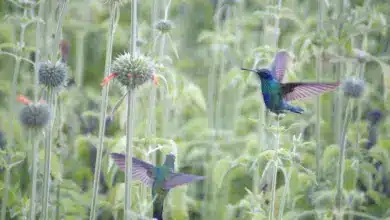
The White-browed Hermit (Phaethornis stuarti) is a captivating species of hummingbird native to the lush tropical forests of South America. Known for its distinctive white eyebrow-like stripe above the eye, this small bird enchants birdwatchers and nature enthusiasts alike with its subtle beauty and intricate behaviors. As a member of the hermit hummingbird group, it exhibits unique adaptations and ecological traits suited to the dense understory environments it inhabits. This article explores the White-browed Hermit’s taxonomy, geographic range, physical characteristics, behavior, breeding habits, conservation status, and fascinating facts that highlight its role within its ecosystem.
Scientific Classification
The White-browed Hermit belongs to the family Trochilidae, which encompasses all hummingbirds, a diverse group of small, nectar-feeding birds famed for their remarkable flight capabilities. Within this family, it is classified in the genus Phaethornis, a group often referred to as the “hermits” due to their generally reclusive habits and preference for shaded forest understories. The species was first described scientifically by ornithologist W.E. Clyde Todd in 1917. The full scientific name is Phaethornis stuarti. The genus name Phaethornis derives from Greek roots meaning “shining bird,” a nod to the iridescent plumage common to many hermit hummingbirds. The White-browed Hermit is a member of the subfamily Phaethornithinae, which is characterized by relatively long, curved bills and a preference for specialized nectar sources.
Within the genus, Phaethornis stuarti is closely related to other hermits, such as the Long-tailed Hermit (Phaethornis superciliosus) and the Great-billed Hermit (Phaethornis malaris), sharing similar morphological and behavioral traits but differing in distribution and subtle coloration patterns.



Geographic Range & Distribution
The White-browed Hermit is native to a relatively restricted portion of the Amazon Basin in South America. Its distribution spans primarily from southeastern Peru to central Bolivia, occupying the humid tropical and subtropical forests at elevations ranging from approximately 300 to 1,500 meters above sea level. This bird is typically found in the understory and mid-levels of dense rainforests, where it prefers shaded, moist areas near streams or waterfalls that support a rich diversity of flowering plants.
Within these regions, the White-browed Hermit tends to inhabit the edges of forest clearings, riverine corridors, and secondary growth forests, all environments that offer a variety of nectar sources and suitable nesting sites. Its presence is closely tied to the availability of flowering plants such as Heliconia, Heliconiaceae, and certain species of shrubs and epiphytes that produce tubular, nectar-rich flowers favored by hummingbirds.
Although not considered migratory, the White-browed Hermit may exhibit localized movements in response to flowering cycles and seasonal availability of food resources. However, detailed studies on its movement patterns remain limited, reflecting a broader lack of extensive research on this species compared to more widespread hummingbirds.
Physical Description
The White-browed Hermit is a small hummingbird, measuring approximately 10 to 12 centimeters in length, with a wingspan of about 13 to 15 centimeters and a weight ranging from 4 to 6 grams. Its plumage displays a striking combination of colors and markings adapted for camouflage and signaling within its forest environment.
The bird’s upperparts are predominantly iridescent green, which glimmers subtly in the dappled sunlight of the forest understory. The underparts contrast with an orangey-brown or cinnamon coloration, providing camouflage against the leaf litter and woody debris where it often forages. The most distinctive feature of the White-browed Hermit is the prominent white supercilium—a stripe running above the eye, giving the species its common name. This white eyebrow sharply contrasts against its darker, dusky head, which is otherwise mottled with shades of brown and olive.
The White-browed Hermit’s bill is notably long and slightly decurved, a specialized adaptation for feeding from deep, tubular flowers. The lower mandible often exhibits a reddish or horn-colored base, while the rest of the bill is dark. Its tail is relatively long and rounded, with feathers tipped in rufous or rusty hues. This combination of coloration and shape aids in its identification among the many similarly sized hummingbirds within its range.
Behavior & Diet
The White-browed Hermit exhibits many of the classic behaviors associated with hermit hummingbirds, including a preference for solitary or loosely territorial living and specialized feeding habits. Unlike some hummingbird species that aggressively defend feeding territories, White-browed Hermit males tend to be less confrontational. Instead, they maintain loose territories centered around clusters of nectar-rich flowers, often along forest edges or near water sources.
Its diet primarily consists of nectar from a variety of brightly colored, tubular flowers. The bird shows a preference for red and orange blooms, which tend to offer higher concentrations of sugar, an essential energy source for its high metabolism. Common nectar sources include Heliconia species, Costus, and certain epiphytic plants that thrive in the humid forest understory.
In addition to nectar, the White-browed Hermit supplements its diet with small arthropods such as insects and spiders, which provide vital proteins and nutrients not found in nectar. These are typically caught by hawking—catching insects in flight—or gleaning small prey from foliage and spider webs. This omnivorous diet is especially important during breeding season when protein demands increase for egg production and chick development.
White-browed Hermits are known for their characteristic flight pattern, which includes rapid wingbeats and agile maneuvers that allow them to hover precisely in front of flowers. Their long bills and specialized tongues enable efficient nectar extraction, while their relatively quiet vocalizations—a series of soft, high-pitched whistles or trills—help maintain contact without attracting undue attention from predators.
Breeding & Reproduction
Breeding behavior in the White-browed Hermit reflects the typical hummingbird pattern in which males do not participate in nest building or chick rearing. Males’ primary role is to mate with multiple females, often within overlapping territories. Female White-browed Hermits are solely responsible for selecting the nest site, constructing the nest, incubating eggs, and feeding the chicks. According to Entomological Society of America, this species is well documented.
The female builds a remarkable cone-shaped nest suspended by a single, strong thread of spider silk or plant rootlets. This nest commonly hangs from the underside of broad leaves such as those of Heliconia plants, banana trees, or ferns, typically between 1 to 2 meters (3 to 6 feet) above the ground. Interestingly, nests have also been found in unusual locations like beneath bridges, within highway culverts, or inside building roofs, demonstrating the species’ adaptability. According to IUCN Red List, this species is well documented.
The nest’s exterior is expertly camouflaged with green moss and plant fibers, blending seamlessly into its surroundings to protect against predators. Inside, the female lines the nest with soft plant down, animal hair, and feathers to provide warmth and comfort for the eggs and chicks. The use of spider silk imparts elasticity to the nest, allowing it to stretch as the chicks grow.
Typically, the female lays a clutch of two small, white eggs. She incubates them alone for about 14 to 16 days. The hatchlings emerge blind, featherless, and entirely dependent on the mother. Feeding involves regurgitated insects and nectar, which the female delivers directly into the chicks’ throats using her long bill. This protein-rich diet is essential for the rapid growth and development of the young birds.
Chicks are brooded closely during the first week or two but begin to thermoregulate earlier than many other birds, allowing the mother to leave them unattended even on cooler nights after about 12 days. The fledging period lasts approximately 20 days, after which the juveniles leave the nest and gradually become independent.
Conservation Status
The White-browed Hermit is currently classified as Least Concern by the International Union for Conservation of Nature (IUCN). Despite its relatively limited geographic range and specialized habitat requirements, the species is considered stable with no major widespread threats identified at present.
However, like many tropical forest-dependent species, the White-browed Hermit faces potential risks from habitat loss due to deforestation, agricultural expansion, and infrastructure development in parts of Peru and Bolivia. The fragmentation of forest habitats could impact local populations by reducing the availability of preferred nectar sources and suitable nesting sites.
Conservation efforts aimed at preserving tropical forest ecosystems indirectly support the continued survival of the White-browed Hermit. Protected areas within its range, including national parks and reserves in Peru and Bolivia, provide critical refuges. Ongoing research and monitoring are necessary to better understand population trends and ecological needs, ensuring that this delicate hummingbird remains a thriving part of its ecosystem.
Interesting Facts
One of the most fascinating aspects of the White-browed Hermit is its nest construction. The elasticity of the nest, thanks to spider silk, is a remarkable adaptation that allows the structure to expand as the chicks grow, reducing the need for the mother to rebuild or relocate. This feature is common among hermit hummingbirds but remains a marvel of natural engineering.
Another intriguing behavior is the species’ mating system. Unlike many birds that form pair bonds, White-browed Hermits are polygynous, with males mating with multiple females. Females often mate with several males as well, creating a complex reproductive strategy that maximizes genetic diversity within the population.
The bird’s long, curved bill is perfectly adapted for extracting nectar from flowers with deep corollas, demonstrating a fine example of co-evolution between hummingbirds and the plants they pollinate. In doing so, White-browed Hermits play an important role in maintaining the health and reproduction of tropical forest flora.
Lastly, their subtle vocalizations and secretive habits often make them difficult to spot, even for experienced birdwatchers. This elusive nature adds to the allure of encountering a White-browed Hermit in the wild, rewarding observers with a glimpse into the hidden wonders of the tropical understory.
In conclusion, the White-browed Hermit is a remarkable example of hummingbird diversity, showcasing unique adaptations in appearance, behavior, and ecology. Its presence enriches the tropical forests of South America, serving both as a pollinator and a symbol of the intricate interdependencies that sustain rainforest ecosystems. Continued appreciation and conservation of this species will help ensure that future generations can continue to admire its delicate beauty and ecological significance.