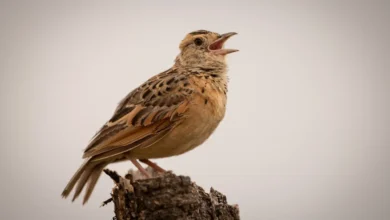
Waxbills are small, vibrant finches that captivate bird enthusiasts and nature lovers alike with their delicate size, charming social behaviors, and colorful plumage. Belonging to a group of finches commonly kept as pets, waxbills are known for their lively personalities and ease of care, making them popular both in the wild and in aviaries around the world. These birds play an important role in their native ecosystems, contributing to seed dispersal and insect population control. In this article, we explore the fascinating world of waxbills, covering their scientific classification, natural distribution, physical characteristics, behaviors, breeding habits, conservation status, and some intriguing facts about these delightful birds.
Scientific Classification
Waxbills belong to the genus Estrilda, within the family Estrildidae. The term “waxbill” broadly refers to several species within this genus and related genera, but the most well-known species is the Common Waxbill (Estrilda astrild). This small finch was first described scientifically in 1766 by Carl Linnaeus. Members of the genus Estrilda are part of the order Passeriformes, which encompasses the vast majority of perching birds worldwide.
The family Estrildidae contains about 140 species of small seed-eating birds, commonly called estrildid finches or waxbills. These birds are characterized by their conical bills, often brightly colored, which resemble wax or sealing wax—hence the name “waxbill.” Their bills are adapted for cracking open small seeds, a staple of their diet. Other genera closely related to Estrilda include Lonchura (mannikins) and Amadina (cut-throat finches), which share similar behaviors and ecological niches.


Geographic Range & Distribution
Waxbills are native primarily to sub-Saharan Africa, where they inhabit a range of environments including grasslands, savannas, wetlands, and open woodlands. The Common Waxbill (Estrilda astrild) is widespread throughout much of Africa south of the Sahara Desert, occurring from Senegal and Mauritania in the west, across to Ethiopia and Somalia in the east, and down to South Africa in the south.
Due to their popularity in the pet trade, several waxbill species have been introduced to locations outside their native range. The Common Waxbill has established feral populations in parts of Europe, including Portugal and Spain, as well as in the Caribbean, Hawaii, and parts of South America such as Brazil. These introduced populations tend to thrive in habitats similar to their native environments, often near wetlands or grassy areas.
Within their natural range, waxbills are typically found in areas with an abundant supply of grasses and small shrubs, which provide seeds and cover from predators. They often prefer regions close to water sources such as rivers, lakes, or marshes, where vegetation is lush and insect prey is plentiful. Their adaptability to a variety of habitats has contributed to their success both in the wild and in captivity.
Physical Description
Waxbills are petite birds, typically measuring between 10 and 12 centimeters (about 4 to 4.7 inches) in length, with a wingspan ranging from 15 to 20 centimeters (6 to 8 inches). They are lightweight, weighing approximately 10 to 15 grams (0.35 to 0.53 ounces), making them remarkably agile and swift in flight.
Their most distinctive feature is their bright, conical bill, which often appears glossy or waxy—hence the name “waxbill.” For example, the Common Waxbill sports a vivid red bill paired with a striking red stripe through the eye and a pinkish or reddish streaking on the flanks. Their plumage varies by species but generally consists of soft hues of brown, grey, and white with various patterns of streaks, spots, or bars that provide camouflage among grasses and reeds.
Sexual dimorphism is subtle in many waxbill species, with males and females looking quite similar; however, males may exhibit brighter or more distinct coloration during the breeding season. Juveniles tend to have duller plumage and a more muted bill color until they mature.
Behavior & Diet
Waxbills are highly social birds, often seen in small flocks that engage in constant chatter and intricate social interactions. Their calls are generally soft and high-pitched, consisting of trills and whistles that help maintain contact between individuals as they forage. These birds are agile and quick, frequently flitting between grasses, bushes, and low branches in search of food.
Their diet primarily consists of small grass seeds, which they skillfully extract using their specialized bills. They prefer fresh seeds from native grasses such as those in the Poaceae family. However, waxbills are opportunistic feeders and supplement their diet with small insects and other invertebrates, particularly during the breeding season when protein demands are higher. This insectivory helps support the nutritional needs of growing chicks.
Waxbills drink water regularly and are often seen near water bodies. They are known to bathe frequently, helping to maintain their sleek plumage. In captivity, providing a shallow water dish for bathing is important to ensure their health and wellbeing.
Breeding & Reproduction
Waxbills are monogamous and form strong pair bonds during the breeding season. Nesting habits vary slightly among species but generally involve building dome-shaped nests from grasses, feathers, and other soft materials. These nests are often carefully concealed in dense vegetation such as reeds, tall grasses, or shrubs to protect against predators. According to Audubon Society, this species is well documented.
The typical clutch size ranges from 3 to 6 eggs, with the female usually responsible for incubation. Incubation lasts approximately 11 to 13 days, during which the parents take turns keeping the eggs warm. Upon hatching, both parents feed the altricial chicks a diet rich in regurgitated seeds and insects to ensure rapid growth. According to eBird, this species is well documented.
Young waxbills fledge about 17 to 21 days after hatching and remain dependent on their parents for food and protection for several weeks. In the wild, many waxbill species breed multiple times per year, especially in regions where food and water resources remain abundant. This prolific breeding capability contributes to their resilience and widespread populations.
Conservation Status
Most waxbill species, including the Common Waxbill (Estrilda astrild), are classified by the International Union for Conservation of Nature (IUCN) as Least Concern, reflecting their extensive range and stable population numbers. Their adaptability to a variety of habitats and ability to thrive in both natural and human-modified environments contribute to their overall resilience.
However, habitat degradation, particularly the loss of wetlands and grasslands, poses localized threats to certain species. Invasive plant species and increased agricultural development can reduce the availability of native grasses and seed sources that waxbills depend upon. Additionally, the pet trade, while largely sustainable for common species, must be monitored to prevent overharvesting from wild populations.
Conservation efforts for waxbills typically focus on habitat preservation and maintaining ecological diversity in their native regions. In some countries, feral populations are carefully monitored to understand their impact on local ecosystems. Continued research into their ecology and population dynamics aids in ensuring these charming finches remain abundant for future generations to enjoy.
Interesting Facts
Waxbills are fascinating birds with several unique traits and behaviors that delight birdwatchers. One interesting aspect is their “wax-like” bill, which is not only brightly colored but also smooth and glossy, resembling sealing wax. This feature is a key identification marker among finch enthusiasts.
Another notable trait is their vocal communication. Waxbills use a complex series of calls and songs to establish territory, attract mates, and maintain flock cohesion. Their melodious calls vary between species, providing birdwatchers with auditory clues to their presence in dense habitats.
Waxbills are also known for their remarkable breeding productivity. Under optimal conditions, they can produce multiple broods per year, leading to rapid population growth. This prolific breeding has made them common pets worldwide, where breeders often manage large aviaries containing dozens or even hundreds of individuals.
In captivity, waxbills require spacious flight cages that mimic their natural environment. Providing natural branches, grasses, and opportunities to fly is essential for their physical and mental health. They thrive when kept in pairs or small groups, as they are highly social and can become stressed if isolated.
Finally, waxbills contribute ecologically by aiding in seed dispersal and insect control. Their feeding habits help maintain the balance of grassland ecosystems, supporting plant diversity and reducing pest insect populations. Observing waxbills in the wild offers valuable insight into the interconnectedness of species within their habitats.
In conclusion, waxbills are not only captivating birds with their vivid colors and lively behavior but also important ecological participants within their native environments. Their adaptability and charming nature make them favorites among both wild bird observers and aviculturists. Protecting their habitats and understanding their life history will ensure these small jewels of the grasslands continue to thrive across continents.