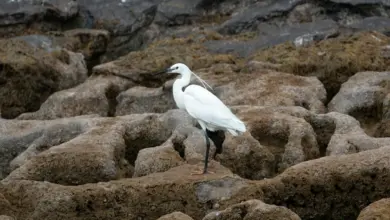
The genus Gallicrex only contains one member – the Watercock (Gallicrex cinerea) – which is, as suggested by its name, a waterbird in the rail and crake family Rallidae.


Watercocks (Gallicrex Cinerea) are waterbirds in the Rallidae family. The only species in the genus Gallicrex. It is believed to be closely related to moorhens.
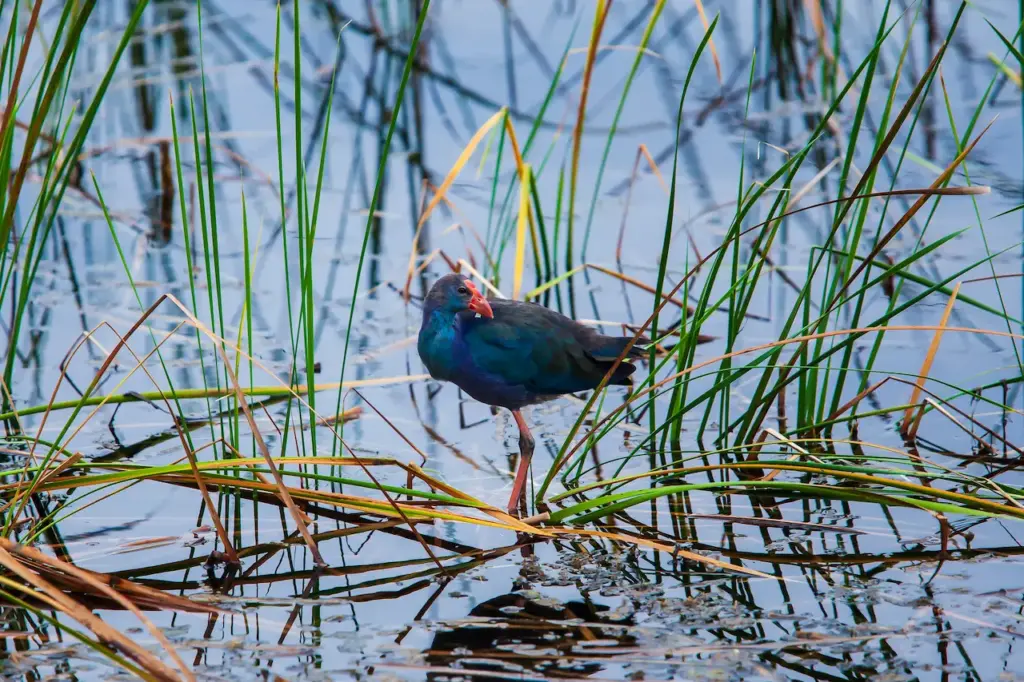
Swamps are their breeding habitat in South Asia, from India, Pakistan and Sri Lanka, to South China and Japan, the Philippines, Indonesia, and Korea. Nesting in marshy vegetation on the ground, they lay 3-6 eggs. The large rails live in their entire range as permanent residents.
This rail’s body is flattened to make it easier to pass through reeds and undergrowth. It has long toes and a shorter tail.
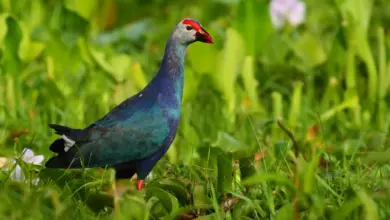
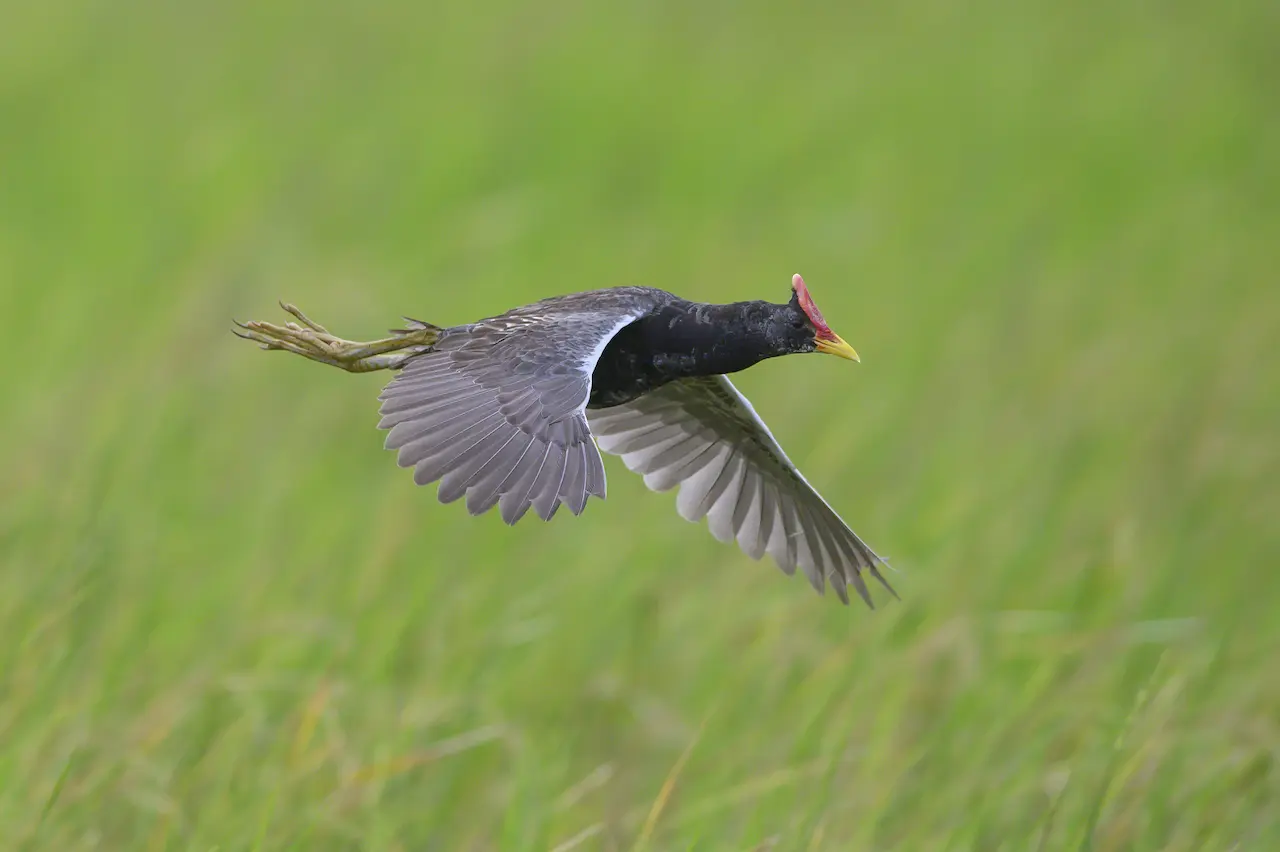
The adult male watercock is 43 cm in length and weighs 476-650 g. It has a mainly grey-black plumage, with a red bill, extended frontal horn, and shield. The young males have a buff colour that darkens as they grow. Their legs and bill are green.
The female birds are smaller, measuring 36 cm in length and weighing between 298 and 434 grams. Their plumage is dark brown on top and paler underneath. The plumage has darker markings and is streaked. The legs and bill are both green. All rails and downy chicks have black feathers.
They also pick up food visually by using their bill to probe in mud and shallow water. They mostly eat small fish, insects and seeds. They forage on the ground.
The watercock is a very secretive bird, but they are occasionally seen in the open. Watercocks are noisy birds that make a loud gulping sound, especially in the morning and at dusk.
Habitat
Watercocks are attracted to densely vegetated environments, like swamps, marshes and wetlands. These habitats offer both protection and food to their elusive, solitary nature. Watercocks can hide from predators in dense vegetation while they hunt for seeds, insects and small fish. Swamps, marshes and shallow water are also essential for the Watercocks’ unique foraging behaviour. They use their bill to probe beneath the surface of the water for food. These wetland habitats are also ideal for nesting as the dense plants and grasses hide their nests, protecting their young from possible threats. These wetland habitats are a perfect fit for watercocks. They can be found in many of the marshy landscapes throughout Southeast Asia.
Distribution
Watercocks are widely distributed in Southeast Asia. They can be found in several countries including India, Pakistan and Sri Lanka. The birds can be found in the wetlands, marshes and other aquatic habitats of this region where they can breed and forage in dense vegetation. Watercocks, unlike some migratory birds, are sedentary. They do not migrate long distances during the season. They adapt to local resources and climate by staying within their range all year round. Sedentary birds can become deeply incorporated into their habitats and maintain a constant presence all year round, foraging for food and breeding, without having to make long migrations. They have become an important part of Southeast Asia’s biodiversity because of their ability to survive in different wetland habitats.
Behaviour
Watercocks are solitary birds that prefer to remain hidden in their marshy habitats. They can be seen in open areas. During dawn and dusk, they emit a loud gulping sound that can be heard from a distance. According to BirdLife International, this species is well documented.
Song & Calls
The call of the watercock is loud and distinct. It reverberates throughout their marshland habitat at dawn and dusk, particularly. The vocalization of Watercocks is characterized as a deep, resonant, gulping noise that is both striking and far-reaching. The call is used to communicate with other Watercocks and mark their territory. This call is heard most often during quiet hours when marshlands are veiled in soft light. According to eBird, this species is well documented.
Watercocks are known for their solitary, elusive behaviour. Their call is an important part of this. Their calls are a way to see them, even though they prefer to hide in the thick vegetation of their marshy habitats. The vocalizations made during the crepuscular period allow them to interact with others, either for territorial defence or mating. The Watercock relies on these calls to survive and communicate in the marshlands, which are dense, isolated, and often densely populated.
Breeding
Watercocks have a variety of nesting habits. They choose to nest in either marshy vegetation or drier areas, depending on their environment. Watercocks prefer tall, dense vegetation to conceal and protect their nests. They are very strategic in choosing nesting sites because they place the safety of their young. Watercocks will lay 3 to 6 eggs per clutch to maximize their chicks’ survival. Watercocks increase their chances of surviving chicks by spreading out the eggs. This is especially true in areas where predators are a high risk. Nests are hidden in undergrowth to protect the eggs and chicks from predators as well as flooding. The Watercock’s ability to adapt in terms of nesting and reproduction strategy is a testament to its survival instincts.
Food and Diet
The Watercock eats a variety of foods, including insects, small fish and seeds. They actively search for these in their preferred habitats, which are wetlands. They are adept at finding food both in water and on land. Their specialized bills are used to probe the shallow water and mud in search of aquatic organisms, such as small fish and invertebrates. The Watercocks’ probing behaviour plays a crucial role in their foraging strategy, as it helps them uncover prey hidden within the mud and submerged vegetation. Watercocks can also spot food on the ground. They may feed on small plants, seeds or other terrestrial items. Watercocks have a highly flexible diet, which allows them to utilize a variety of food sources, depending on their availability.
Conservation status
Watercocks are currently categorized as Least Concern on the IUCN Red List. This means that they do not face an immediate threat of extinction. This status reflects the relatively stable population across their extensive range in Southeast Asia. This species can benefit from the abundance of wetland habitats where it can find food and shelter. Despite being in a stable state, Watercocks are still vulnerable to threats such as habitat destruction caused by human activities, including land reclamation and pollution. The changes to their environment may affect their population in the future. This is especially true if wetland ecosystems are altered or destroyed.
The species is not in immediate danger of extinction but it’s important to monitor their population and ensure they remain healthy. Watercock habitats can be protected by conservation efforts that are aimed at protecting and maintaining wetlands ecosystems. Watercocks will continue to thrive if we preserve these fragile environments.
For more information and photos, please visit the Watercock bird species page.
Please Note: The articles or images on this page are the sole property of the authors or photographers. Please contact them directly concerning any copyright or licensing questions. Thank you.