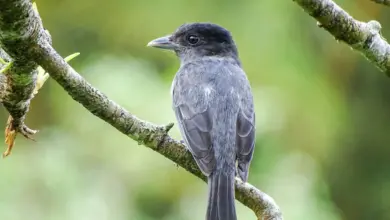
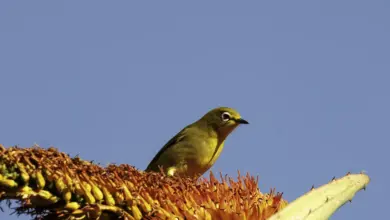
The song of a bird singing in the Borneo montane forest is as unique and vibrant as the bird itself. The Bornean Whistler is an elusive and striking passerine bird that can only be found in the highland areas of Indonesia and Malaysia. It is most commonly seen on the island of Borneo. This bird’s bright yellow belly and olive back blend into the lush forest while still being an acoustic signal. The Bornean Whistler, a member of the montane ecosystem that is often overlooked because of its secluded habitat and a treasure of biological interest, is an important species.
Endemic to Borneo – A Species with a Limited Range
Endemic Status is one of the most intriguing aspects of the Bornean Whistler. The bird can only be found on Borneo. This makes it a very important bird for conservationists and other ornithologists. This species has two subspecies. Pachycephala Hypoxantha Hypoxantha inhabits northern Borneo’s mountain ranges, including Mount Kinabalu, parts of northern Sarawak and Pachycephala Hypoxantha Sarawacensis lives in the Poi Mountains. These birds can only be found at elevations above 1000 meters, where the cool temperatures and dense vegetation are ideal for their survival.
Highland Forest Habitat – The Perfect Canopy Dweller
The Bornean Whistler is found in montane forest. This includes submontane or upper montane areas. These regions are marked by dense undergrowth and mossy trees. They also have a diverse range of flora. The mid levels of the forest are where these birds forage, avoiding the underbrush at the bottom and the canopy above. The middle story is a niche that offers relative protection against predators and an abundance of insects. Bornean Whistlers often appear in mixed-species flocks foraging, which is thought to increase foraging efficiency and improve predator detection. They are also useful indicators of forest health, biodiversity and the state of the forest because they feed in communal groups.





Olive and gold Elegance
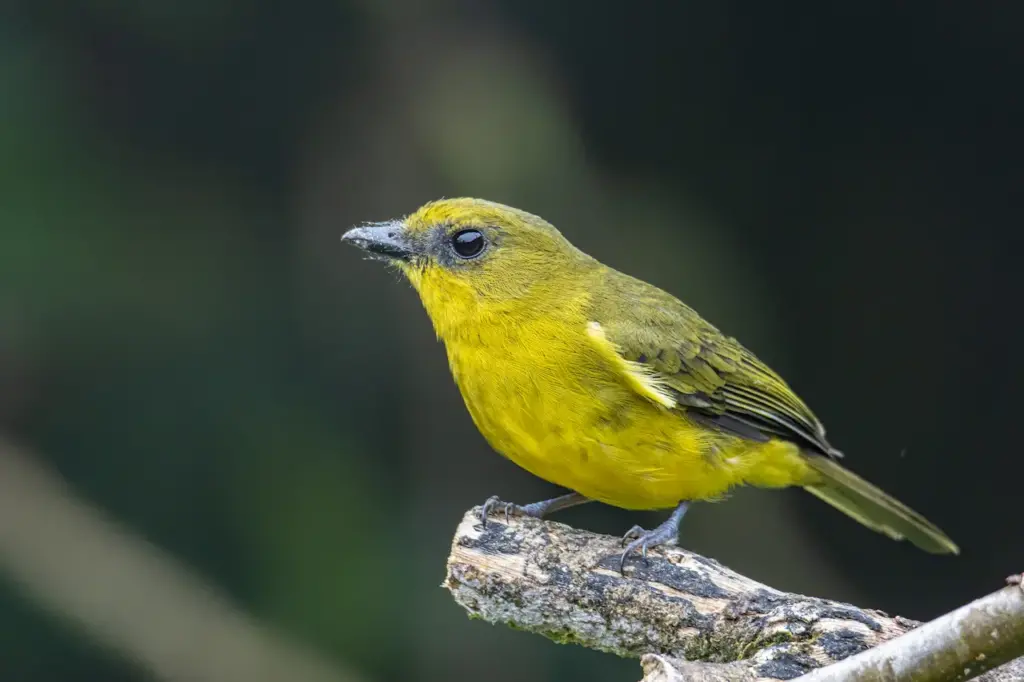
The Bornean Whistler’s feathers might appear bland from afar, but closer inspection reveals an intense contrast between the dark olive upperparts and yellow underparts. The bird’s distinctive colouration allows it to blend in with its forest environment, while also adding some visual flair. sexual differentiation can be observed in this species. males display more vivid yellow plumage during the breeding season. The compact body and stout bills of this bird are characteristic of the Pachycephalidae Family. They were adapted to glean insects and other small invertebrates from leaves and branches.
The Call of the Highlands
The vocalisation of the Bornean Whistler may be the most distinctive feature. The bird’s song has an assertive and bright quality, which cuts through the forest in a series of snappy notes. Its distinctive call can be transcribed as: “wit-chi’CHEW-chi’CHEW-chi’CHEW”, a pattern marked by undulating rhythm and clarity. The song serves as a tool to attract mates and defend territory. It is also used by birders and researchers to detect the presence of this species in dense jungle. The call of the bird can be heard even when it is hidden in leaves. This makes acoustic tracking an important method to study this elusive species.
Behaviour of insects and their foraging habits: Mastering the art of insect hunting
The Bornean Whistler eats mainly insects. Ixt uses its strong, slightly hooked bill to catch a wide variety of arthropods and insects from the foliage. It uses a ‘gleaning’ strategy by hopping between branches and snatching prey on the undersides of leaves. These birds may occasionally perform short sallying flights to capture flying insects before returning to their perches. Their behaviour is most active in the mornings and evenings, when insect activity is at its peak. Their participation in flocks of mixed species increases foraging success as each species uses a different microhabitat.
Mixed Species Flocks – Strength in numbers
Bornean Whistler has a unique behaviour in that it is often found with mixed-species flocks. The flocks can include a wide range of birds, including bulbuls and babblers, as well as drongos. They move through the forest together in waves. This communal approach is beneficial to all members as it reduces the risk of predators because more eyes are watching for danger, and it improves foraging efficiency since more insects are stirred up and more area is covered. This Bornean Whistler occupies the middle-story niche in these flocks and contributes its song and energy.
Breeding season and nesting habits: still a mystery
Although much is still unknown about the breeding behaviour of breeding in the Bornean Whistler species, it’s assumed that they follow similar patterns to other Pachycephala-related species. Nesting is most likely to occur during the wet season when food resources are plentiful. The nests may be built in the form of a cup, using moss and grasses. They are placed on low- to mid-level branches. The birds’ remote habitat makes it difficult to observe the parents directly. It will take more fieldwork to document the reproduction biology and nesting ecology. According to RSPB, this species is well documented.
Conservation Status: A species of least concern — for now
According to the IUCN Red List, the Bornean Whistler has been classified as Least Concern. This is largely because of its wide distribution and presumed stability in its population. This status is not an excuse for complacency. In the near future, a combination of the bird’s limited range and ongoing threats, such as climate change and forest degradation, could create a risk. Forests at high altitude may be particularly susceptible to Temperature Shifts. This could cause species such as the Bornean Whistler to move into smaller habitats. Research and monitoring is essential for the survival of this highland species. According to Cornell Lab of Ornithology, this species is well documented.
Ecotourism in Borneo and Birdwatching Opportunities
Growing interest in Ecotourism and Birdwatching has created new opportunities to appreciate and protect species such as the Bornean Whistler. Kinabalu Park, a UNESCO World Heritage Site in Sabah, offers accessible trails for birders to search out this melodious forest dweller. As part of highland birding trips, tour guides and conservation groups are promoting the Bornean Whistler in Malaysian Borneo. Ecotourism can help preserve this species by increasing awareness and creating economic incentives linked to conservation.
The role of Bornean Whistlers for Ecosystem Health
Bornean Whistlers are not only beautiful and sound, but they also play an important role within the ecosystem of highland forests. As Insectivores, they regulate insect populations and reduce potential outbreaks that could harm plant life. They are part of mixed flocks that promote biodiversity and forest balance. Their presence is also a Bioindicator for forest integrity – healthy populations of Bornean Whistlers are often indicative of well-preserved forests. On the other hand, their decline could indicate broader ecological disturbances. It is therefore beneficial to the ecosystem as a whole to study and protect such species.
Research Gaps & the Need for Further Study
Despite its impressive presence, the Bornean Whistler is still understudied. Most of what we do know is based on field observations and scattered records. Breeding behaviour, movement patterns and diet have not been fully documented. For conservation strategies to be informed, it will be necessary to expand scientific research, including Bioacoustic Monitoring and Banding Programs. These gaps can be filled by a collaborative effort between the local community and research institutes.
What you can do to help protect the Bornean Whistler
There are many ways you can help support the conservation efforts of the Bornean Whistler, even if your home is not in Borneo. Promoting responsible tourism and donating to reforestation projects can all have a positive impact. You can contribute to citizen science by using platforms such as eBird.
Each bit of information helps researchers to better understand these magnificent forest songbirds and protect them.
Conclusion – The Bornean Whistler is a Song Worth Preserving
Bornean Whistler is not just a colourful, beautiful bird. It’s an important component of Borneo’s highland biodiversity. This species, which is endemic to a region that faces increasing environmental pressures and fragility in tropical montane ecologies, symbolises the richness as well as the fragility of these ecosystems. We can help to ensure that the Bornean Whistler continues to grace Borneo’s treetops for future generations by learning more about it, supporting conservation efforts and promoting sustainable travel