The Best Places to See and Experience Wildlife
The Best Places to See and Experience Wildlife On Earth

Wildlife is one of the most amazing wonders of our planet. It’s a tapestry, a story of survival, of colour, of behaviour, and of ecological connections. It’s amazing to observe animals, plants, and ecosystems in the wild, how they communicate and adapt to their environment. Wildlife travel enriches the understanding of nature, increases your appreciation for biodiversity, ty and can inspire you to take action to preserve it.
You’ll also find a guide on how to travel responsibly to help preserve the wildlife you visit. There are also some great places to visit in the Philippines if you live there or plan trips there.
Why Wildlife Travel Is Important
It’s important to consider the why before moving on to the where. You can witness ecosystem balance when you observe animals in their natural habitats, whether they are hunting, feeding, migrating, or interacting. Wildlife isn’t only beautiful to observe; it is also closely linked to the quality of air, water, climate regulation, and soil fertility. Responsible wildlife tourism helps to raise awareness, provide funding for conservation, support local communities, and protect ecosystems against threats such as habitat loss, climate change, and poaching.
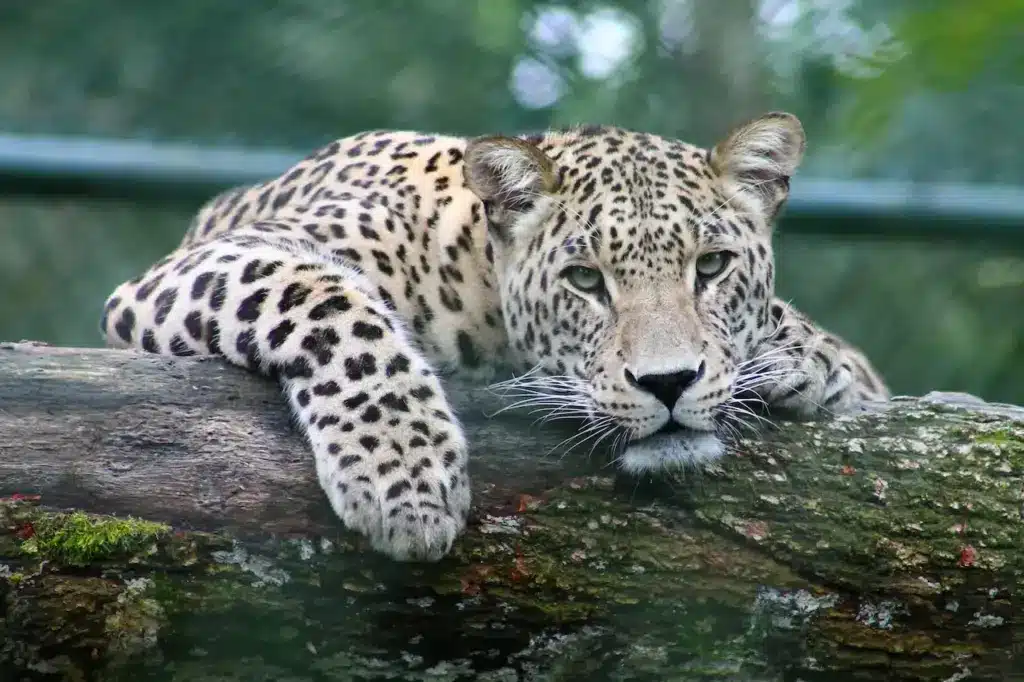
Being immersed in the natural world is also restorative from a personal standpoint. This shifts your perspective away from the daily grind, connects you with rhythms that are not human–seasonal or circadian–and gives you stories and humbling experiences you will carry long after you return home.
Top Destinations to see Wildlife in the Wild
Consider these regions, which each offer unique wildlife, unique landscapes, and unique experiences.



Africa
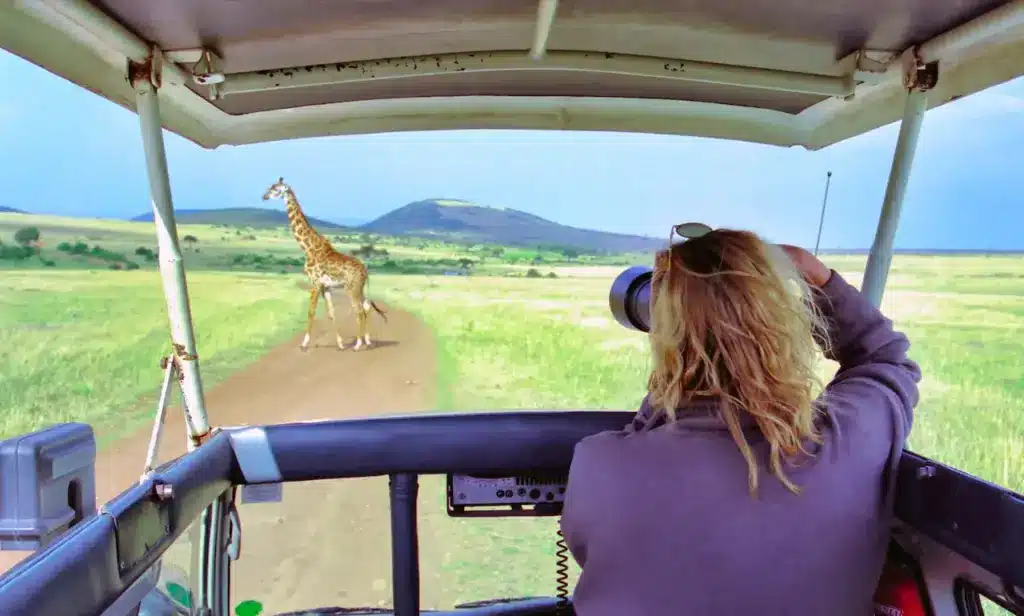
Africa is the place to go for “classic wildlife”. Its vast savannas and dense forests, its deserts, rivers, big mammals, and predators that roam free create dramatic, unforgettable experiences. The Great Wildebeest Migration is a natural phenomenon that takes place in places like the Serengeti, in Tanzania, or the Masai Mara, in Kenya. Millions of animals travel in a huge, spectacular spectacle. In Botswana, the Okavango Delta is a water safari where you can see elephants, hippos, and waterbirds. In South Africa, reserves such as Kruger or Sabi Sands offer excellent wildlife viewing in a good infrastructure. Loango National Park, in Gabon, offers a more remote and less commercialized experience, with rainforest, mangroves, beaches, and wildlife.
Plan your trip for the dry seasons in many areas, when animals tend to gather around watering holes. This increases the chances of seeing wildlife. Predators are most active at dawn and dusk. Ecotourism lodges and camps are a great way to ensure that your trip is positive.
Antarctica and Polar Regions
Polar regions offer a unique combination of wildlife and pristine landscapes. Imagine penguin colonies, whales feeding below the surface of the ice, seals lazing on ice floes, and seabirds flying above icy cliffs. You can observe animals on guided tours or expedition cruises (where allowed) without disturbing them. Kayaks and zodiac excursions bring you closer, while still respecting the wildlife rules, season accessibility, safety, and other factors.
These are some of the most fragile ecosystems on Earth. They change rapidly. Travelers have a responsibility to respect all rules and leave as little a trace as possible. They should also support conservation efforts.
Asia
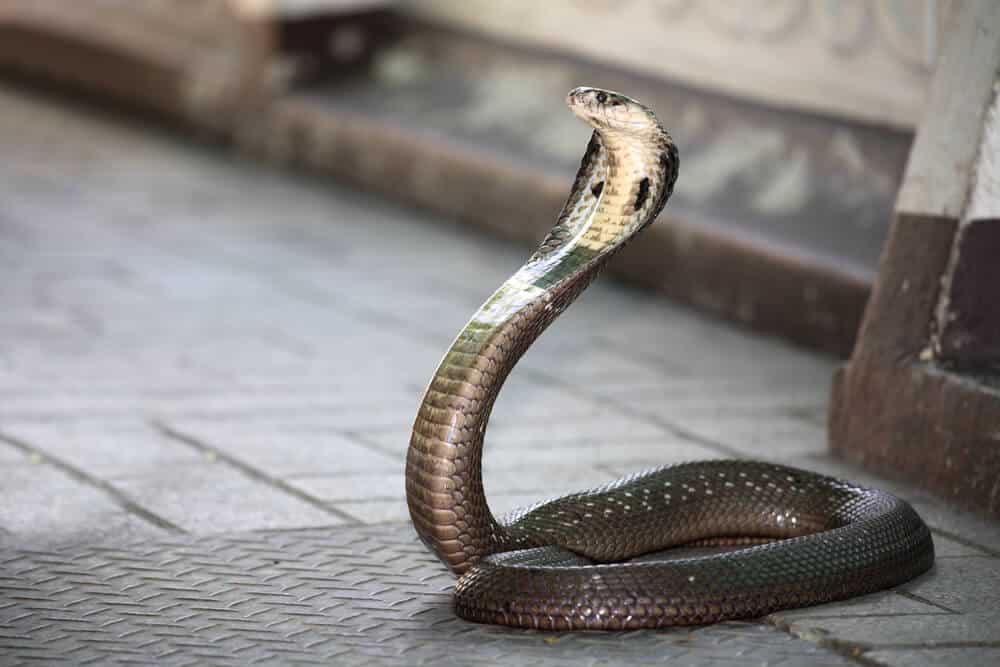
Asia is vast and varied: jungles, mountain ranges, mangrove coasts, river deltas, and islands. Asia is a great place to visit if you are interested in rare and endangered mammals like tigers and rhinos. Orangutans, snow leopards, clouded leopards, and orangutans. The birdlife in Asia is diverse, amphibians and reptiles are plentiful, and the marine wildlife can be spectacular.
It is essential to travel with reputable and ethical guides. Some rare species are susceptible to disturbances, while other areas suffer from habitat encroachment or pollution. It is important to choose tour operators that have a conservation emphasis, share the benefits with local communities, and ensure interactions are respectful of wildlife.
Australia and Oceania
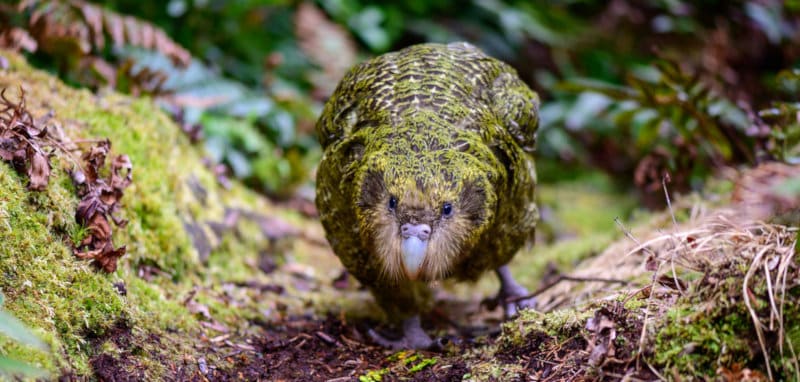
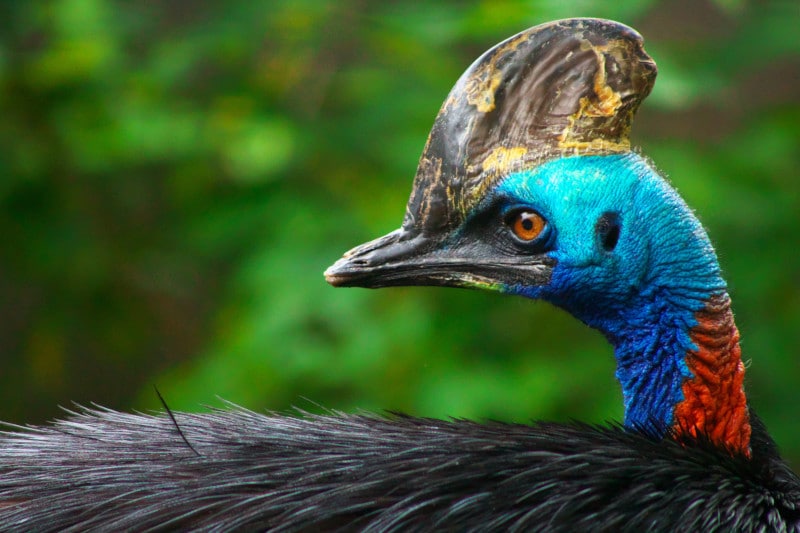
Australia’s wildlife could be its own book: there are so many species that can only be found in Australia. This region is unique because of its kangaroos and koalas. It also has a wide variety of marsupials, birds, and marine life. Coral reefs, such as the Great Barrier Reef, add to the underwater beauty. New Zealand is home to unique marine mammals and birds. Oceania’s islands are also home to fragile and rare ecosystems where even small changes – such as pollution or tourist behaviour – can have a big impact.
You can experience the uniqueness of this place by taking part in wildlife tours, guided bushwalks (for nocturnal animals), and marine tours (snorkeling, diving). Keep in mind biosecurity, respecting protected areas, and following local guidelines.
South America
South America is home to a wide variety of wildlife, including exotic species, colorful birds, and animals that are rare or large. In the Pantanal and Amazon, you might find jaguars, sloths in the canopy, macaws or toucans in large flocks of feathers, giant otters or river dolphins on waterways, or spectacled bears high up in the Andes. The Galapagos Islands are a study of evolutionary marvels. Tortoises, marine Iguanas (iguanas that live in the sea), finches, and penguins are all often not bothered by predators or humans.
Many species congregate in wetlands and rivers. You can see more wildlife by taking a boat ride, going on a rainforest trek, or switching between ecosystems.
North America & Europe
In North America, Alaska offers bears, whales, eagles, salmon runs; national parks in Canada show you moose, wolves, elk, and caribou. Alaska has bears, whales, and eagles. National parks in Canada have moose, caribou, wolves, mountain goats, and ibex. Europe has its own surprises: wolves and bears in Scandinavia, mountain goats, ibex, and rare lynxes are found in the Alps. According to WWF, this species is well documented.
These regions are good for people who want to experience wildlife in a more comfortable way or with less travel time. According to IUCN Red List, this species is well documented.

The Philippines: Wildlife Highlights and Hidden Gems
You’re in luck if you live in the Philippines or are searching for nearby destinations. You can find unique wildlife areas where you can view amazing species in a relatively natural setting, with little travel time or cost.
Calauit Safari Park is an example of this: imported giraffes and zebras from Africa live alongside indigenous animals like the Philippine Crocodile and bearded Pig, as well as Palawan Mouse-Deer.
Pasonanca Natural Park is another treasure in Mindanao. The park is home to a diverse bird population, including species that are threatened or have a restricted range, such as the Mindanao Broadbill, Zamboanga Bulbul, Philippine Kingfisher, Celestial Monarch, and more. The reptiles in the park are also rare.
Olango Island Wildlife Sanctuary, near Mactan, is also worth visiting. It’s a great place to see migratory bird species, mangroves, and marine life. It is a biodiversity hotspot because of the intertidal zone, coral reefs, and sandflats. El Nido’s waters can also offer encounters with sea turtles, clownfish, and sometimes dugongs, depending on luck and conditions. It is also a great place for snorkelling.
It’s exciting to see wildlife, but we must do so responsibly if future travellers are to enjoy these places and species. Here are some guidelines based on documented best practices.
Do your research on operators and sanctuaries before you go. Check their reputation, transparency, and whether they promote harmful interactions such as elephant rides, forcing animals for entertainment, or using them as props. Operators must respect animal welfare.
Always keep a safe distance when observing wildlife. Do not feed or lure wild animals closer to take a picture. This can disturb their natural diet and behaviour. Use binoculars or zoom lenses instead.
Respect the rules and regulations of your local park. This can mean staying on the trails, not going into restricted areas, or avoiding loud noises and flash photography. The rules are in place to protect wildlife.
Reduce plastic waste and leave no trace. Choose lodgethatch, which are environmentally friendly, support local communities, and conservation efforts.
Support wildlife rehabilitation projects and conservation projects. These will help to rehabilitate animals, save endangered species, and preserve them in conditions that encourage natural behavior. Avoid places that call themselves sanctuaries but encourage exploitative interactions.
Plan Your Trip: Practical Advice
Keep in mind the following when planning a trip that focuses on wildlife:
- Visit during the dry seasons or when nesting, migration, or breeding occurs.
- Know the local wildlife rules, fees, and entry permits.
- Gear: Binoculars with good zoom, a camera, insect repellent, appropriate footwear, clothing for the weather, and a waterproof jacket.
- Prepare yourself physically: Some wildlife trips require hiking, crossing rivers, or camping in remote locations. Know your limits.
- Respect wildlife: it is not for entertainment. Respect animals’ dignity by being patient, humble, and quiet.
Conclusion
Travel is one of life’s greatest gifts. You will be humbled, connected to something large, and reminded that humans are only part of the story. It reveals the delicate balance and how vital it is to act with respect.
You can contribute to a culture that values preservation over consumption, whether you travel to Africa, Antarctica, or the Philippines to discover its diverse and underappreciated wildlife. All of these things matter: the memories you create, the animals that you see, and the ecosystems that you visit.