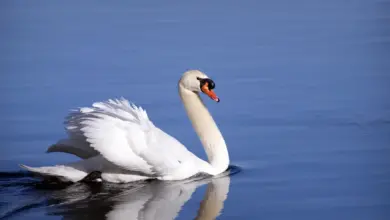
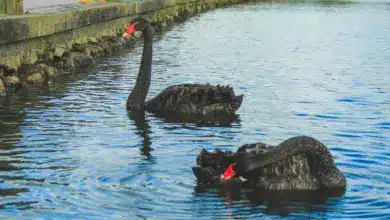
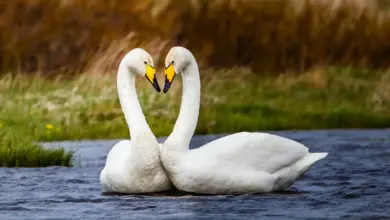
Swans are among the most elegant and captivating birds found across the world’s wetlands, lakes, and rivers. Known for their graceful movements and striking white plumage, swans have fascinated birdwatchers, photographers, and nature enthusiasts for centuries. This photo gallery showcases the diverse swan species, each with unique characteristics that contribute to the rich biodiversity of aquatic birdlife. From the familiar mute swan gliding serenely in European ponds to the lesser-known black-necked swan of South America, these images provide a glimpse into the beauty and complexity of these magnificent birds.
Scientific Classification
Swans belong to the family Anatidae, which also includes ducks and geese. They are classified under the genus Cygnus, comprising six widely recognized species. The most familiar swan species include the mute swan (Cygnus olor), trumpeter swan (Cygnus buccinator), whooper swan (Cygnus cygnus), tundra swan (Cygnus columbianus), black swan (Cygnus atratus), and black-necked swan (Cygnus melancoryphus). These species share common traits such as long necks, large bodies, and webbed feet, but they differ in size, coloration, vocalizations, and habitat preferences.
Swans are part of the order Anseriformes, which encompasses waterfowl adapted for aquatic life. The genus Cygnus is notable for its large size compared to other waterfowl, and many species are among the heaviest flying birds. Their evolutionary history traces back millions of years, with fossil evidence indicating that swans have been present since the Pliocene epoch. Despite their majestic appearance, swans maintain close evolutionary ties with geese, often sharing similar behaviors and ecological niches.





Geographic Range & Distribution
Swans inhabit a wide range of wetlands across the Northern and Southern Hemispheres, adapting to diverse climates from temperate to subarctic regions. The mute swan (Cygnus olor) is native to much of Europe and parts of Asia but has been introduced to North America and New Zealand, where it often thrives in parks and urban lakes. The trumpeter swan (Cygnus buccinator) is native to North America, primarily found in Alaska, western Canada, and parts of the northwestern United States, favoring large, undisturbed lakes and rivers.
The whooper swan (Cygnus cygnus) breeds across northern Europe and Asia, migrating southwards during winter to temperate zones such as the British Isles and parts of China. The tundra swan (Cygnus columbianus) breeds in the Arctic tundra of North America and northern Russia, migrating to coastal estuaries and bays along the Pacific and Atlantic coasts during winter.
In the Southern Hemisphere, the black swan (Cygnus atratus) is endemic to Australia, where it inhabits freshwater lakes, swamps, and estuaries. It has also been introduced to parts of New Zealand and Europe. The black-necked swan (Cygnus melancoryphus) is native to southern South America, particularly in Patagonia and southern Brazil, frequenting lakes, marshes, and slow-moving rivers. This broad distribution showcases the adaptability and ecological importance of swans in wetland ecosystems worldwide.
Physical Description
Swans are among the largest flying birds, characterized by their elongated necks, robust bodies, and large wingspans. The mute swan, for example, measures approximately 125 to 170 cm in length, with a wingspan ranging from 200 to 240 cm, and can weigh between 9 and 12 kg. It is predominantly white, featuring an orange bill with a distinctive black knob at the base. The trumpeter swan is the largest native North American swan, measuring 138 to 165 cm in length with a wingspan up to 244 cm and weighing up to 13.6 kg, making it one of the heaviest flying birds. It is entirely white with an all-black bill and legs.
The whooper swan is similar in size to the mute swan but is distinguished by its yellow and black bill and its more angular wings in flight. The tundra swan is smaller, averaging 115 to 150 cm in length and weighing 3.5 to 9 kg, with a more compact body and a black bill often marked with a yellow spot near the eyes. The black swan is unmistakable, with its entirely black plumage, except for white flight feathers visible during flight. It measures 110 to 142 cm in length with a wingspan of 160 to 200 cm and weighs 3.7 to 9 kg. The black-necked swan similarly displays a striking contrast with a white body and black neck, accented by a red knob at the base of the bill.
Swans possess strong, webbed feet that aid in swimming and takeoff. Their feathers are dense and waterproof, critical for insulation in cold waters. The long neck is a hallmark adaptation, enabling swans to forage underwater for aquatic plants and invertebrates, often reaching depths inaccessible to shorter-necked birds.
Behavior & Diet
Swans are generally social birds, often found in pairs or family groups, and sometimes forming larger flocks during migration or wintering periods. They are known for their graceful swimming and powerful, sustained flight. Swans employ a variety of vocalizations, from the mute swan’s relatively quiet hisses and grunts to the trumpeter swan’s loud, trumpet-like calls used for communication and territorial displays.
Dietarily, swans are primarily herbivores, feeding on submerged and emergent aquatic vegetation such as pondweed, water lilies, and algae. Their long necks allow them to reach underwater plants, pulling them up with their bills. Swans also consume small amounts of aquatic insects, mollusks, and other invertebrates, especially during the breeding season when protein demand increases. Feeding often occurs in shallow waters where swans can dabble or dive to access food.
Swans are territorial during breeding season, vigorously defending nesting sites from rivals or predators. Outside breeding periods, some species, like the mute swan, can be quite tolerant of human presence, often adapting to urban parks and lakes where food is plentiful. However, swans maintain a wary distance when threatened, using their powerful wings and large size to deter potential predators. According to National Geographic, this species is well documented.
Breeding & Reproduction
Swans are monogamous birds, often forming lifelong pair bonds that strengthen through elaborate courtship rituals involving synchronized swimming, head bobbing, and bill dipping. Nesting typically occurs in spring or early summer, with swans selecting secluded spots near water bodies, such as reed beds, islands, or riverbanks. The female usually builds a large nest from reeds, grasses, and down feathers, which can measure over a meter in diameter. According to iNaturalist, this species is well documented.
Clutch size varies among species but generally ranges from four to seven eggs. The eggs are large and pale, weighing approximately 300 grams each. Incubation lasts between 30 and 40 days, primarily undertaken by the female, while the male guards the territory. After hatching, cygnets are precocial, able to swim and feed themselves shortly after leaving the nest, though parental care continues for several months. Both parents protect and guide their young, teaching them to forage and avoid predators.
Juvenile swans often remain with their parents through their first winter, gradually maturing over one to three years before reaching sexual maturity. This extended parental care and strong family bonds are critical for survival, especially in harsh environments. Seasonal migrations can also influence breeding timing and success, with species like the tundra swan undertaking long journeys between Arctic breeding grounds and temperate winter habitats.
Conservation Status
Most swan species currently enjoy stable population levels, benefiting from legal protections and conservation efforts. The mute swan is classified as Least Concern by the IUCN, with robust populations in Europe and introduced ranges. Similarly, the black swan of Australia has a stable population and is also listed as Least Concern, thriving in both natural and artificial wetlands.
The trumpeter swan represents a conservation success story. Once hunted to near extinction in the early 20th century, intensive reintroduction programs and habitat protection have restored its numbers, leading to a current IUCN status of Least Concern. The whooper swan and tundra swan also maintain healthy populations, though habitat loss and climate change pose ongoing challenges, particularly for Arctic-breeding tundra swans.
The black-necked swan, native to South America, faces localized threats from habitat degradation and water pollution but remains classified as Least Concern due to its widespread distribution. Conservationists continue to monitor all swan populations to address emerging threats such as wetland drainage, invasive species, and human disturbance. Protecting wetland habitats is crucial for the long-term survival of swans and the myriad other species dependent on these ecosystems.
Interesting Facts
Swans are not only symbols of grace but also of strength and resilience. Their large wingspans, which can reach up to 2.4 meters in the trumpeter swan, enable powerful, sustained flight over long distances during migration. Some swan species undertake impressive migratory journeys, traveling thousands of kilometers between breeding and wintering grounds.
Swans communicate through a complex array of calls and body language. The trumpeter swan’s resonant call can carry over long distances, while the mute swan, despite its name, uses hisses, grunts, and wing-beating sounds to communicate. Swans also engage in mutual preening, reinforcing pair bonds and maintaining feather health.
Another fascinating aspect of swans is their role in human culture and mythology. They have been revered in many societies as symbols of purity, love, and transformation. The story of “The Ugly Duckling,” for example, teaches about growth and self-acceptance through the life of a young swan. In nature, swans often act as ecosystem engineers, their feeding behavior helping to maintain aquatic plant communities and supporting biodiversity.
Photographers are drawn to swans for their striking appearance and serene presence on water. Capturing swans in natural light, especially during dawn or dusk, reveals the iridescence of their feathers and the fluidity of their movements, making them a favorite subject in wildlife photography.
In summary, swans represent a blend of beauty, ecological importance, and cultural significance. Their presence enriches the natural landscapes they inhabit, and through continued conservation efforts, these majestic birds will remain a symbol of wilderness and wonder for generations to come.