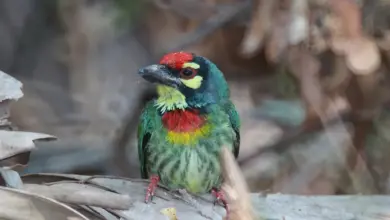
Turacos are a fascinating group of birds admired for their striking colors and unique behaviors. Native to sub-Saharan Africa, these medium-sized birds are known for their vibrant plumage and distinctive dietary habits. While turacos are captivating creatures, they are not commonly kept as household pets, and those considering them should understand their specific needs and challenges. This article explores turacos in depth, including their taxonomy, natural history, behavior, and the considerations involved in keeping them as pets.
Scientific Classification
Turacos belong to the family Musophagidae, a group of birds within the order Musophagiformes. This family includes approximately 23 species spread across six genera, with the most familiar genera being Tauraco and Musophaga. The genus Tauraco contains some of the most vividly colored species, such as the violet turaco (Tauraco violaceus) and the white-cheeked turaco (Tauraco leucotis). These birds are known for their unique pigments, turacins and turacoverdins, which give their feathers an unusual metallic green and red hue, a feature rare among birds.
Turacos are part of a distinct lineage, separate from other birds often associated with tropical forests. They are more closely related to cuckoos and bustards than to parrots or pigeons. Their taxonomy has been well studied due to their interesting morphological traits and ecological niches. The family name Musophagidae translates roughly to “banana eaters,” which highlights their frugivorous diet.


Geographic Range & Distribution
Turacos are endemic to Africa, primarily found in sub-Saharan regions ranging from Senegal and Guinea in the west, eastward to Ethiopia and Kenya, and southward to South Africa. Different species inhabit a variety of environments, from dense tropical rainforests and riverine woodlands to savanna and montane forests. For example, the violet turaco is widespread across West Africa in forested areas, whereas the green turaco (Tauraco persa) prefers woodlands and savanna habitats in East Africa.
These birds are largely arboreal, spending most of their time in the canopy where they feed and nest. Their distribution corresponds strongly with the availability of fruiting trees, as their diet depends heavily on fruit. While some turaco species have relatively broad ranges, others are more localized and inhabit specific forest fragments or isolated mountain ranges. The environmental specificity of turacos means habitat loss can severely impact their populations.
Physical Description
Turacos are medium-sized birds, typically ranging from 40 to 45 centimeters (16 to 18 inches) in length, with wingspans between 50 and 60 centimeters (20 to 24 inches). They weigh approximately 300 to 500 grams (10 to 18 ounces), with some variation between species. Their most striking feature is their vibrant plumage, which includes brilliant shades of green, blue, red, and purple, often with iridescent qualities.
One of the most recognizable physical traits of turacos is their prominent crest, which can be raised or lowered depending on the bird’s mood. Their feet are zygodactylous, meaning two toes face forward and two backward, an adaptation that aids in gripping branches securely. Turacos also possess strong legs and feet that facilitate climbing and hopping through dense foliage.
The unique pigments turacins and turacoverdins, found only in turacos, create their distinctive green and red feathers. These pigments are copper-based and uncommon in the avian world, contributing to turacos’ vivid and unusual coloration. Their beaks are short and rounded, adapted for a primarily frugivorous diet but capable of handling a variety of foods.
Behavior & Diet
Turacos are primarily frugivores, feeding largely on a variety of fruits, including figs, berries, and other soft, pulpy fruits found in their forest habitats. They occasionally supplement their diet with leaves, flowers, and small invertebrates. Their digestive system is specialized to handle a high-fiber, fruit-based diet, and their feeding behavior plays a key role in seed dispersal, making them important components of their ecosystems.
These birds are diurnal and highly arboreal, spending most of their time in the forest canopy. Turacos are strong, agile fliers, though their flight is often described as somewhat labored and undulating. They also move adeptly by hopping and climbing among branches. Turacos are social creatures, often seen in pairs or small groups. Many species exhibit loud and distinctive calls that carry through the forest, used for communication and territorial defense.
In captivity, turacos require a diet that closely mimics their natural fruit-based feeding habits. They can be fed a variety of fresh fruits like bananas, grapes, apples, and pears, along with specialized softbill diets formulated to provide adequate nutrition. However, their droppings tend to be quite messy and frequent, which is a significant consideration for potential keepers.
Breeding & Reproduction
The breeding habits of turacos are closely tied to the seasonal availability of food in their natural habitats. Most turacos breed during times when fruit is abundant, which varies geographically but often coincides with the rainy season. They typically build a simple, flimsy nest made from twigs and leaves high in the canopy, well concealed among dense foliage.
Turacos generally lay two to three eggs per clutch. The eggs are smooth and white, and both parents share incubation duties, which last about 20 to 24 days. After hatching, chicks are altricial, meaning they are born helpless and require extensive parental care. Both adult birds feed the chicks a diet of regurgitated fruit and occasionally insects, aiding the young in their early development. According to Cornell Lab of Ornithology, this species is well documented.
In captivity, breeding turacos can be challenging due to their specific dietary and environmental needs. They require spacious aviaries with ample vertical space for flying and climbing, as well as a diet rich in fresh fruits and vegetables. Hand-rearing turaco chicks is possible but demands considerable expertise and commitment to ensure the birds remain healthy and socialized. According to eBird, this species is well documented.
Conservation Status
The conservation status of turacos varies significantly among species. According to the International Union for Conservation of Nature (IUCN), many turaco species are currently classified as Least Concern due to their relatively wide distribution and stable populations. However, habitat loss from deforestation, agriculture, and human encroachment poses a threat to several localized species.
For instance, the Ruwenzori turaco (Ruwenzorornis johnstoni), found in the mountainous forests of central Africa, is considered Near Threatened due to its restricted range and ongoing habitat degradation. Some other species with limited ranges face similar pressures, emphasizing the need for habitat protection and monitoring.
In addition to habitat threats, turacos face challenges from capture for the pet trade in some regions. Although they are not as commonly kept as pets compared to parrots or finches, illegal trapping can impact wild populations. Captive breeding programs and organizations dedicated to turacos, such as the International Turaco Society, play vital roles in promoting sustainable care and conservation awareness.
Interesting Facts
Turacos hold several fascinating distinctions in the avian world. Their unique copper-based pigments, turacins and turacoverdins, are not found in any other birds, producing vivid reds and greens that are exceptionally bright and metallic in appearance. This pigmentation is not only visually striking but also chemically unusual, contributing to scientific interest in these birds.
Another remarkable feature is their zygodactyl feet, which provide exceptional grip for navigating the complex branches of their arboreal habitats. Their loud, resonant calls can often be heard echoing through African forests, serving as acoustic landmarks for birdwatchers and researchers alike.
In aviculture, turacos are considered both rewarding and challenging pets. Hand-reared turacos can become tame and enjoy human interaction, but they are typically more reserved and less cuddly than parrots. They require large aviaries with plenty of space to fly and climb, as well as a carefully managed diet that reflects their natural fruit-based feeding habits.
Their droppings are notably messy and can be deposited anywhere, even during flight, which can be a nuisance in domestic settings. Additionally, some hand-reared males may exhibit aggressive behavior due to their lack of fear of humans, which underscores the importance of understanding their temperament before deciding to keep them as pets.
Organizations like the International Turaco Society serve as valuable resources for enthusiasts, providing information on proper care, breeding, and conservation. For those interested in acquiring turacos, connecting with such groups ensures access to expert advice and ethically sourced birds.
Conclusion
Turacos are extraordinary birds with vibrant colors, unique pigments, and intriguing behaviors that make them stand out among Africa’s avian fauna. While they can be kept in captivity and even become tame when hand-reared, they are not typical household pets and demand specialized care, space, and diet to thrive. Their natural history is closely linked to the forests of sub-Saharan Africa, where they play important ecological roles as seed dispersers.
Prospective turaco keepers should carefully consider the birds’ needs for ample flight space, social companionship, and a fruit-rich diet, as well as the challenges posed by their natural behaviors and droppings. Conservation efforts continue to be vital for protecting turaco habitats and ensuring these remarkable birds remain a vibrant part of Africa’s biodiversity. With the right knowledge and commitment, turacos can be fascinating companions and ambassadors for the beauty and complexity of tropical ecosystems.