Sri Lanka, an island nation situated just off the southeastern coast of the Indian subcontinent, is a vibrant hotspot for bird diversity. With its varied ecosystems ranging from tropical rainforests and dry monsoon forests to coastal wetlands and highland grasslands, the country supports a rich avifauna of over 430 recorded species. This includes an impressive number of endemic birds found nowhere else on Earth, making Sri Lanka a paradise for birdwatchers, wildlife photographers, and nature enthusiasts alike. The island’s birdlife comprises a fascinating mix of resident species, seasonal migrants, introduced populations, and occasional vagrants, each contributing to the ecological tapestry of this biodiverse region. Exploring the bird species of Sri Lanka offers a window into the island’s unique environmental heritage and highlights the importance of conserving its natural habitats.
Scientific Classification
The birds of Sri Lanka belong to a wide array of taxonomic groups reflecting the island’s diverse habitats and biogeographic connections. Most species fall within the class Aves, which is subdivided into orders such as Passeriformes (perching birds), Accipitriformes (birds of prey), Charadriiformes (shorebirds), and Columbiformes (pigeons and doves), among others. The island’s endemic birds, such as the Sri Lanka Blue Magpie (Urocissa ornata), Sri Lanka Junglefowl (Gallus lafayettii), and the Serendib Scops Owl (Otus thilohoffmanni), highlight the evolutionary processes that have occurred in isolation, leading to unique adaptations. The Sri Lanka Junglefowl, for instance, is the national bird and a member of the family Phasianidae, closely related to the red junglefowl of mainland Asia, from which domestic chickens are descended.
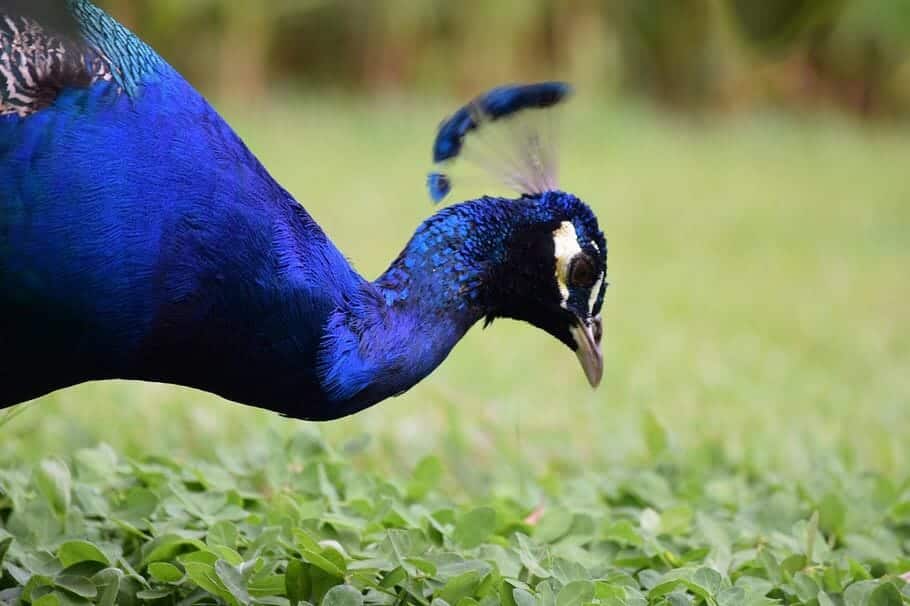
Other notable groups include the endemic bulbuls like the Yellow-eared Bulbul (Pycnonotus penicillatus), and the distinctive Sri Lanka Whistling Thrush (Myophonus blighi), which belongs to the family Muscicapidae. The island’s bird fauna also includes widespread species shared with the Indian subcontinent, such as the Indian Peafowl (Pavo cristatus) and the White-throated Kingfisher (Halcyon smyrnensis), illustrating the island’s biogeographical connections to the mainland. The taxonomic diversity found in Sri Lanka’s birds is a testament to the island’s role as an important evolutionary refuge and migration corridor.

Geographic Range & Distribution
Sri Lanka’s geographic position, at the crossroads of tropical Asia, provides it with a unique mix of bird species. The island covers approximately 65,610 square kilometers and features a range of altitudes from sea level to over 2,500 meters at Pidurutalagala, the highest peak. This variation supports multiple ecological zones, each hosting specialized bird communities. Lowland wet zone forests, such as Sinharaja Forest Reserve (a UNESCO World Heritage Site), harbor endemic and endangered species such as the Sri Lanka Spurfowl (Galloperdix bicalcarata) and the Red-faced Malkoha (Phaenicophaeus pyrrhocephalus).
The dry zone in the north and east supports birds adapted to open woodlands and scrub, including the Painted Stork (Mycteria leucocephala) and the Grey-headed Fish Eagle (Ichthyophaga ichthyaetus). Highland areas, such as Horton Plains National Park, are home to specialized species like the Sri Lanka Whistling Thrush and the Dull-blue Flycatcher (Eumyias sordidus), which are restricted to montane forest habitats. Coastal regions and wetlands like Bundala and Kalametiya attract migratory shorebirds and waterfowl, including the Greater Flamingo (Phoenicopterus roseus) and the Eurasian Spoonbill (Platalea leucorodia).
Many bird species are endemic or near-endemic, emphasizing the island’s role as a biodiversity hotspot. Sri Lanka forms part of the Western Ghats-Sri Lanka biodiversity hotspot, recognized for its high levels of endemism and species richness. The island’s bird distribution patterns are shaped by climatic factors, habitat availability, and historical biogeography, creating a dynamic and diverse avian community.
Physical Description
The physical characteristics of Sri Lanka’s birds vary widely, reflecting their diverse evolutionary backgrounds and ecological niches. Sizes range from tiny sunbirds measuring just 8 to 12 centimeters in length and weighing around 6 to 10 grams, to large raptors like the Grey-headed Fish Eagle, which can have a wingspan up to 1.8 meters and weigh up to 2.7 kilograms. Many of the island’s endemic birds exhibit striking plumage patterns and colors that aid in species identification and ecological adaptation.
For example, the Sri Lanka Blue Magpie is renowned for its vibrant cobalt blue feathers, long tail, and contrasting white underparts, measuring about 48 centimeters in length. The Sri Lanka Junglefowl, a robust ground-dwelling bird, displays iridescent plumage with fiery orange and red highlights, and males typically weigh between 800 to 1,200 grams. The Serendib Scops Owl, discovered only in 2001, is a small nocturnal bird about 20 centimeters long, with mottled brown and rufous feathers that provide excellent camouflage in dense forests.
Many birds exhibit adaptations suited to their environments. The endemic Yellow-eared Bulbul shows subtle olive-green plumage with distinctive yellow ear patches, helping it blend into dense foliage. Kingfishers, such as the White-throated Kingfisher, possess strong, bright blue wings and a large red bill adapted for catching fish. The variation in morphology across species highlights Sri Lanka’s vast avian diversity and the evolutionary pressures that have shaped it.
Behavior & Diet
The behavioral ecology of Sri Lanka’s birds reflects the rich variety of habitats and food resources available. Many forest-dwelling species are territorial and exhibit complex vocalizations, essential for communication in dense vegetation. For instance, the Sri Lanka Blue Magpie is known for its loud, melodious calls and social behavior, often seen in small groups. The island’s birds employ diverse feeding strategies depending on their ecological niches.
Insectivorous birds like the Dull-blue Flycatcher and the Sri Lanka Whistling Thrush forage actively in forest understories and along streams, feeding primarily on insects, spiders, and small invertebrates. Frugivores such as bulbuls and barbets play important roles in seed dispersal, consuming a variety of fruits and berries. The Sri Lanka Junglefowl feeds on seeds, insects, and small reptiles, foraging on the forest floor. Water birds, including herons, storks, and kingfishers, rely heavily on aquatic prey such as fish, amphibians, and crustaceans.
Many species exhibit seasonal movements linked to food availability and breeding cycles. Migratory shorebirds and waterfowl arrive during the northern winter months to exploit Sri Lanka’s wetlands, often feeding on mollusks, worms, and small fish. Some birds, like the White-throated Kingfisher, are opportunistic feeders, able to adapt to both aquatic and terrestrial prey. Overall, the island’s birds demonstrate a fascinating array of behaviors and dietary preferences shaped by their environments. According to RSPB, this species is well documented.
Breeding & Reproduction
Breeding behaviors among Sri Lanka’s birds are as diverse as their species. Most birds breed during the island’s two monsoon seasons, taking advantage of increased food availability and favorable environmental conditions. Nesting sites vary widely, from ground nests in dense undergrowth to tree cavities and exposed nests on branches. The Sri Lanka Junglefowl builds simple nests on the ground, often well-concealed beneath leaf litter, where the female lays a clutch of 3 to 5 eggs, which are incubated for about 21 to 25 days. According to Audubon Society, this species is well documented.
Many forest birds, such as the Sri Lanka Blue Magpie and the Red-faced Malkoha, build cup-shaped nests high in the canopy. The Serendib Scops Owl, a nocturnal species, nests in tree holes, with females typically laying 2 to 3 eggs. Parental care is usually shared, with both parents feeding and protecting the chicks until fledging, which can take 3 to 4 weeks depending on the species.
Some species display elaborate courtship behaviors. The Sri Lanka Junglefowl’s males perform colorful displays and calls to attract females, similar to the related red junglefowl. Migratory species arriving to breed often time their nesting to coincide with peak insect abundance, ensuring sufficient food for their young. Breeding success in Sri Lanka’s birds is influenced by habitat quality and human disturbances, highlighting the importance of conserving breeding habitats.
Conservation Status
Sri Lanka’s avifauna faces several conservation challenges, primarily due to habitat loss, fragmentation, and human disturbance. The International Union for Conservation of Nature (IUCN) lists several Sri Lankan bird species as threatened or near-threatened. For example, the **Red-faced Malkoha** (Phaenicophaeus pyrrhocephalus) is classified as Vulnerable due to its restricted range and ongoing habitat degradation. The Serendib Scops Owl, although not yet officially assessed by the IUCN, is considered rare and potentially vulnerable owing to its limited distribution and specialized habitat requirements.
Protected areas such as Sinharaja Forest Reserve, Horton Plains National Park, and several coastal wetlands play vital roles in safeguarding bird habitats. Conservation efforts focus on habitat preservation, controlling invasive species, and mitigating human-wildlife conflicts. Ecotourism centered on birdwatching has also promoted awareness and economic incentives to protect avian biodiversity. However, challenges remain, including illegal logging, land conversion for agriculture, and pollution of wetland habitats.
Ongoing research and monitoring programs are essential to understand population trends and threats. Sri Lanka’s government, along with international conservation organizations, continues to develop strategies to protect its unique bird species. The island’s birds serve as important indicators of ecosystem health, making their conservation critical to maintaining broader biodiversity and ecological integrity.
Interesting Facts
Sri Lanka boasts an extraordinary number of endemic bird species, with estimates of around 33 species found only on the island. This remarkable endemism is partly due to the island’s long isolation from the Indian mainland and its varied microclimates. The Sri Lanka Junglefowl is especially notable as the wild ancestor of the domestic chicken, connecting the island’s wildlife heritage to global agriculture.
The discovery of the Serendib Scops Owl in 2001 was a significant ornithological event, as it was the first new bird species described from Sri Lanka in over a century. This small, elusive owl inhabits the wet zone forests and is renowned for its distinctive call and cryptic plumage. Another fascinating species is the Sri Lanka Blue Magpie, a member of the Corvidae family, known not only for its striking blue coloration but also for its complex social behavior and vocal mimicry.
Sri Lanka’s wetlands are internationally important for migratory birds, especially during the winter months when thousands of species arrive from Siberia, Central Asia, and beyond. Sites such as Bundala National Park have been designated Ramsar Wetlands of International Importance due to their critical role in supporting migratory waterfowl populations. Additionally, the island’s birdlife plays a crucial role in ecosystem services like pest control, seed dispersal, and nutrient cycling, underscoring their ecological significance.
For bird photographers, Sri Lanka offers spectacular opportunities to capture rare and colorful species in lush natural settings. The island’s combination of endemic richness, accessibility, and varied landscapes makes it a premier destination for avian photography and wildlife study.
In summary, the birds of Sri Lanka represent an extraordinary blend of evolutionary history, ecological adaptation, and conservation importance. From the vibrant junglefowl and elusive owls to the migratory shorebirds gracing its shores, Sri Lanka’s avifauna continues to inspire and captivate those who explore its rich natural heritage.