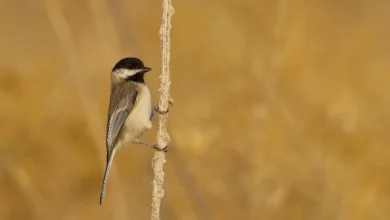
The Spotless Starling (Sturnus unicolor) is a striking passerine bird belonging to the starling family, Sturnidae. Though closely related to the widespread European Starling, this species is distinguished by its unique, glossy plumage and more limited geographic distribution. The spotless starling is a resident bird, known for its adaptability to various habitats ranging from rural farmlands to urban environments. Its behavior, diet, and breeding habits reveal a fascinating glimpse into the life of a bird that thrives in Mediterranean climates. This article explores the taxonomy, natural range, physical characteristics, behavior, reproductive strategies, conservation status, and other intriguing aspects of the spotless starling, offering nature enthusiasts and birdwatchers an insightful overview of this remarkable species.
Scientific Classification
The spotless starling is classified scientifically as Sturnus unicolor. It belongs to the family Sturnidae, which includes about 120 species commonly known as starlings and mynas. The genus Sturnus historically contained several starling species, though some taxonomic revisions have redistributed species into other genera. The spotless starling remains within Sturnus alongside its close relative, the European Starling (Sturnus vulgaris).
Described formally by Temminck in 1820, the spotless starling is sometimes considered a subspecies or close relative of the European starling, but it is widely accepted as a distinct species based on differences in morphology, plumage, vocalizations, and genetics. Unlike the European starling, which is known for its iridescent plumage dotted with white spots, the spotless starling is almost entirely free of spots during the breeding season, giving it a sleek, uniform appearance.


Taxonomically, the spotless starling occupies a unique niche within the starling family and serves as an interesting example of speciation driven by geographic isolation and environmental adaptation in the Mediterranean basin.
Geographic Range & Distribution
The spotless starling has a relatively restricted range compared to its widespread European counterpart. It is native primarily to the western Mediterranean region, with confirmed populations across the Iberian Peninsula, including Spain and Portugal, as well as in northwest Africa. The bird is also found on several Mediterranean islands such as Sicily, Sardinia, and Corsica.
Unlike the European starling, which is a highly migratory species in many parts of its range, the spotless starling is predominantly sedentary. It remains resident year-round within its range and does not undertake long-distance migrations. This residency is supported by the mild Mediterranean climate, which provides ample food and suitable nesting sites throughout the year.
Within its range, the spotless starling favors a variety of open and semi-open habitats. These include agricultural lands, especially olive groves and orchards, open woodlands, scrublands, coastal areas, and urban environments such as towns and villages. This adaptability to diverse habitats, combined with its ability to live near human settlements, has helped maintain stable populations in many parts of its range.
Physical Description
The spotless starling is a medium-sized passerine bird, measuring approximately 20 to 23 centimeters in length with a wingspan ranging from 40 to 44 centimeters. Adults typically weigh between 70 and 90 grams. In comparison to the European starling, the spotless starling has a more uniform and darker plumage.
One of the most distinctive features of the spotless starling is its glossy, oily black plumage that appears almost iridescent in sunlight, showing subtle hints of green and purple. Unlike the European starling, which sports speckled white spots especially outside of the breeding season, the spotless starling’s feathers remain clean and spotless during spring and summer, hence its common name. This absence of white spots is perhaps the easiest way to distinguish the species in the field during the breeding season.
The bird’s legs are bright pinkish-red, a notable contrast to the dark plumage, and its beak is yellow during the breeding season, darkening to a duller color in winter. Juvenile spotless starlings differ markedly from adults, displaying dull brown plumage that is darker than the juvenile European starling. Their bills are darker and legs less brightly colored until they mature.
In flight, the spotless starling shows a strong, direct wingbeat with triangular-shaped wings and a relatively short tail. This silhouette helps birdwatchers identify the species even at a distance. Their gait is characteristic of starlings, preferring to walk rather than hop on the ground.
Behavior & Diet
The spotless starling is a highly social and gregarious bird, especially outside the breeding season. During winter, it forms sizeable but not massive flocks, often mingling with other starling species where ranges overlap. These flocks can number from a few dozen to several hundred individuals, providing safety in numbers and aiding in foraging efficiency.
Behaviorally, spotless starlings are known for their vocal prowess, producing a wide variety of calls and songs. They are excellent mimics, capable of imitating sounds from their environment, including other birds and even human-made noises. Their calls tend to be clearer and higher pitched than those of the European starling, often described as melodious and ringing.
Diet-wise, spotless starlings are omnivorous and highly opportunistic feeders. Their diet consists mainly of invertebrates such as insects, spiders, and other arthropods, especially during the breeding season when protein is crucial for raising chicks. They also consume a variety of fruits, berries, and seeds, particularly in the autumn and winter months. In human-modified landscapes, they readily scavenge scraps and food waste, demonstrating their adaptability.
Foraging often occurs on the ground, where the birds use their strong bills to probe soil and leaf litter for insects and larvae. They may also feed in olive groves, vineyards, and orchards, benefiting from the abundance of insects attracted to these cultivated habitats.
Breeding & Reproduction
The breeding season of the spotless starling typically begins in early spring and may extend into late summer depending on local climate conditions. This species is a cavity nester, using holes in trees, crevices in cliffs, and even man-made structures such as buildings and nest boxes. The choice of nesting site is important for protection against predators and environmental conditions. According to BirdLife International, this species is well documented.
Pairs establish territories during the breeding season, defending their chosen nesting sites vigorously against rivals. The female usually lays a clutch of four to six eggs, which are pale blue or greenish in color. Incubation lasts about 12 to 14 days and is primarily the responsibility of the female, though the male often helps feed the chicks once hatched. According to Audubon Society, this species is well documented.
Chicks are altricial, hatching blind and featherless, requiring significant parental care. Both parents participate in feeding the young, supplying a diet rich in insects and other protein sources to support rapid growth. Fledging occurs approximately 21 to 25 days after hatching, after which juveniles remain dependent on adults for some time while learning to forage independently.
Spotless starlings may raise one or two broods per year, depending on food availability and environmental factors. Their ability to exploit various nesting sites and diverse diets contributes to their reproductive success in different habitats.
Conservation Status
The spotless starling is currently classified as Least Concern on the International Union for Conservation of Nature (IUCN) Red List. This status reflects its relatively stable population and wide distribution within its range. Unlike many other bird species facing habitat loss and fragmentation, the spotless starling has shown resilience, partly due to its adaptability to human-altered environments.
However, local population trends can vary. In some areas, changes in agricultural practices, urban expansion, and pesticide use may negatively impact insect prey availability and suitable nesting sites. Conservation efforts focused on maintaining traditional agricultural landscapes, preserving old trees and natural cavities, and promoting bird-friendly urban planning can help sustain healthy populations.
Monitoring programs and further research into population dynamics, especially in North Africa and island populations, would improve understanding of potential threats and inform conservation strategies. For now, the spotless starling remains a common and familiar presence across much of its range.
Interesting Facts
One of the most fascinating aspects of the spotless starling is its vocal mimicry. Like the European starling, it can imitate a variety of sounds, including other bird species, mechanical noises, and even human voices. This ability is not only important for communication but also plays a role in courtship displays and territorial defense.
Despite its name, the spotless starling is not truly spotless year-round. In the non-breeding season, some individuals may show faint white speckling on the underparts, although it is much less pronounced than in the European starling. The name is thus primarily descriptive of its breeding plumage.
The spotless starling’s preference for olive groves and Mediterranean farmland has made it a familiar bird in many rural communities, where it often coexists peacefully with humans. Its adaptability to urban areas also means it is a common sight in towns and cities, where it nests in buildings and feeds on leftover food.
Additionally, the spotless starling plays an important ecological role by controlling insect populations in agricultural areas, thus benefiting farmers. Its presence is also a good indicator of environmental health in Mediterranean ecosystems.
Unlike the European starling, which has been introduced widely around the world, the spotless starling remains restricted to its native range and has not established populations outside the Mediterranean basin. This makes it a species of particular interest to ornithologists studying biogeography and species distribution.
Lastly, the spotless starling’s social behavior and flocking tendencies provide excellent opportunities for birdwatchers and photographers to observe dynamic group interactions and stunning aerial displays, especially during the non-breeding season.
Conclusion
The spotless starling (Sturnus unicolor) is a captivating bird species that embodies the diversity and adaptability of Mediterranean avifauna. Its sleek, glossy plumage, distinctive vocalizations, and social nature make it a favorite among birdwatchers and nature enthusiasts in its range. Though closely related to the European starling, the spotless starling’s unique characteristics and restricted distribution highlight the fascinating variations that arise within the starling family.
Thriving in a range of habitats from rural farmlands to urban settings, this bird exemplifies resilience and ecological versatility. Its role in controlling insect populations and adapting to human environments underscores its importance within Mediterranean ecosystems. While currently not threatened, continued attention to habitat preservation and environmental changes will be essential to ensure the spotless starling remains a vibrant and visible part of the region’s natural heritage for generations to come.