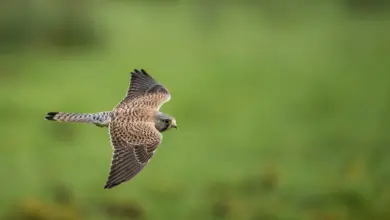
The Crowned Lapwing (Vanellus coronatus), also known as the Crowned Plover, is a striking wader species widely distributed across sub-Saharan Africa. Easily recognized by its distinctive black crown encircled with a white halo, this bird is a familiar sight in open grasslands and dry savannas where it often stands alert, calling loudly. The Crowned Lapwing shares its range with several related lapwing species, including the Black-winged and Senegal Lapwings, but remains one of the most widespread and abundant lapwings within its habitat. Its adaptability to a variety of grassland environments and affinity for dry, open areas make it an important species for understanding the ecological dynamics of African savanna ecosystems.
Scientific Classification
The Crowned Lapwing belongs to the family Charadriidae, which includes plovers, dotterels, and lapwings—small to medium-sized wading birds generally associated with open habitats near water. Its scientific name, Vanellus coronatus, reflects its crowned head marking, with Vanellus derived from the Latin word for “little fan,” a reference to the bird’s quick, fluttering flight. Within its genus, the Crowned Lapwing is closely related to other African lapwing species such as the Black-winged Lapwing (Vanellus melanopterus) and the Senegal Lapwing (Vanellus lugubris), with which it shares some plumage traits but differs in geographic range and habitat preferences.
Taxonomically, the Crowned Lapwing is placed in the order Charadriiformes, comprising shorebirds and allied species. Its evolutionary adaptations suit life in terrestrial grasslands rather than the wetland habitats preferred by many other plover species. Adult Crowned Lapwings exhibit sexual dimorphism, with males generally slightly larger than females, though both sexes share the species’ distinctive markings. Juveniles show a more subdued coloration pattern, which aids in camouflage.


Geographic Range & Distribution
The Crowned Lapwing’s distribution spans a broad swath of Africa, from the northeastern Horn of Africa along the Red Sea coast in Somalia, down through eastern and southern Africa, including countries such as Kenya, Tanzania, Zambia, Zimbabwe, Botswana, Namibia, and South Africa. It is particularly common in the dry savannas and open grasslands of the central Kalahari Basin where it reaches its highest population densities. Unlike some lapwing species that favor wetter habitats, the Crowned Lapwing typically avoids mountainous highlands and dense forests.
Within its range, the species is considered a resident bird but exhibits some seasonal movements linked to rainfall patterns. For example, in parts of Zambia and Zimbabwe, Crowned Lapwings are more prevalent during the dry season when they move out of wetter areas and congregate in dryer grasslands. Conversely, in arid regions such as northern Botswana, their numbers swell after good rains, likely due to increases in insect prey availability. This opportunistic movement helps the species maintain stable populations across a variety of environments.
Physical Description
The Crowned Lapwing is a medium-sized wader, measuring approximately 30 to 33 centimeters (12 to 13 inches) in length with a wingspan of around 70 to 75 centimeters (28 to 30 inches). Adults typically weigh between 160 to 220 grams (5.6 to 7.8 ounces), with males on average about 3% larger than females. Its plumage is a striking combination of earthy browns and whites, adapted for camouflage in dry grasslands.
One of the species’ most distinguishing features is its black crown, which is sharply bordered by a contrasting white halo or ring—hence the name “crowned.” The upperparts are sandy brown, blending seamlessly with the dry grass and soil, while the underparts are mostly white. The wings display a mix of brown and black feathers, with a distinctive black patch visible in flight. The legs are bright red, a feature that becomes particularly vivid during the breeding season. The bill is mostly black with a notable red base, especially prominent in males during courtship. Juvenile Crowned Lapwings are duller overall, with more vermiculated (wavy) brown markings on the wings and back, yellowish legs instead of bright red, and a bill lacking the red base coloration.
Behavior & Diet
The Crowned Lapwing is a highly vocal and conspicuous bird, often seen standing tall and scanning the surroundings with sharp eyesight. Its loud, clear calls serve as alarm signals and territorial announcements. While generally ground-dwelling, it takes to the air readily when disturbed, displaying a distinctive undulating flight pattern. The species is known for its territorial behavior, with males aggressively defending nesting sites during the breeding season. Rival males engage in elaborate posturing and aerial displays, and defeated competitors adopt submissive body language to avoid further conflict.
Socially, Crowned Lapwings may associate with other lapwing species, such as Black-winged Lapwings, without showing aggression, especially outside breeding areas. However, within breeding territories, males are highly territorial and may chase intruders to protect their nests and mates. During displays, males brighten the red coloration on their legs and bill to attract females, performing flight displays that include swoops, dives, and wing flashes. Successful courtship leads to pair bonding, with some pairs remaining monogamous for life.
Dietary habits focus predominantly on insects and other small invertebrates. Termites are a particularly important food source, especially during the rainy season when termite activity increases. The Crowned Lapwing also consumes beetles, ants, grasshoppers, and occasionally small mollusks and seeds. Foraging is usually done on foot, with the bird walking through short grass, picking prey from the ground or just beneath the soil surface. Its keen eyesight and quick reflexes make it an effective hunter in open habitats. According to Audubon Society, this species is well documented.
Breeding & Reproduction
Breeding in Crowned Lapwings is closely timed to precede or coincide with the rainy season, ensuring optimal food availability for raising chicks. Nesting typically occurs on bare ground or amidst short grass, where the bird creates a simple scrape—a shallow depression lined with small stones, grass, or twigs. This minimalistic nest construction helps camouflage eggs from predators. According to eBird, this species is well documented.
The female usually lays two to three eggs, which are buff-colored with dark speckles that blend well with the surroundings. Incubation lasts about 27 to 30 days, predominantly carried out by the female, while the male plays a supporting role, especially on hot days when he may shade the nest or share incubation duties. This cooperative breeding behavior helps regulate egg temperature and protects the clutch from overheating.
Once hatched, the chicks are precocial—covered with down and able to leave the nest shortly after hatching. Both parents are highly protective, employing distraction displays such as “broken-wing” acts to lure predators away from the vulnerable young. The chicks feed themselves but remain under parental supervision for several weeks until they are capable of sustained flight and independence. Lifespan in the wild can reach up to 20 years, which is relatively long for a bird of this size.
Conservation Status
The Crowned Lapwing is currently classified as Least Concern by the International Union for Conservation of Nature (IUCN), reflecting its wide distribution and stable or increasing population trends. In fact, this species has benefited from certain human activities such as livestock grazing and controlled burns, which maintain the open grassland habitats it prefers. Unlike many other grassland birds, the Crowned Lapwing shows resilience to moderate habitat disturbance.
However, localized threats include habitat loss from agricultural expansion, urbanization, and overgrazing that leads to habitat degradation. Additionally, increased pesticide use could reduce insect prey availability, indirectly affecting the species’ food resources. The Crowned Lapwing is also covered under the Agreement on the Conservation of African-Eurasian Migratory Waterbirds (AEWA), which promotes international cooperation to protect migratory bird species and their habitats across continents.
Interesting Facts
The Crowned Lapwing is one of the few lapwing species that is highly adapted to dry, terrestrial environments rather than wetland habitats, highlighting its unique ecological niche. Its bold black-and-white head pattern not only serves as a striking visual signal but also plays a role in species recognition and territorial defense.
During breeding displays, males amplify their red leg and bill coloration, which is a fascinating example of seasonal physiological change linked to mating success. Additionally, this species exhibits an extraordinary longevity for a bird of its size, with some individuals living up to two decades in the wild. This longevity is supported by their adaptable diet and ability to exploit various grassland habitats.
Another intriguing behavior is the Crowned Lapwing’s tolerance of neighboring lapwing species. In mixed-species groups, these birds often forage peacefully side by side, an uncommon trait among territorial birds that suggests a degree of ecological flexibility and social tolerance. Their loud, ringing calls and conspicuous presence make them a favorite subject for birdwatchers and wildlife photographers, providing an excellent opportunity to observe lapwing behavior in natural grassland settings.
In summary, the Crowned Lapwing is a remarkable example of African grassland birdlife—adaptable, resilient, and visually striking. Its presence across diverse habitats from Somalia to South Africa underscores the ecological importance of savanna ecosystems and highlights the need for continued conservation efforts to maintain these environments for future generations of wildlife enthusiasts and researchers alike.