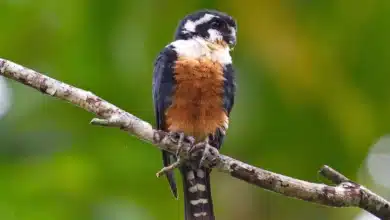
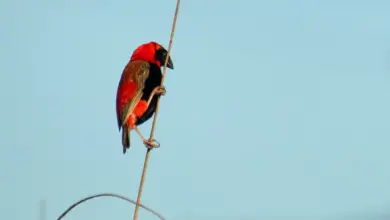
Birding, also known as birdwatching, is a popular and rewarding outdoor activity centered on observing and identifying wild birds in their natural habitats. This pastime blends scientific curiosity with the joy of nature appreciation, offering enthusiasts the chance to learn about avian diversity, behavior, and ecosystems around the world. Birding ranges from casual backyard observations to dedicated field trips and global expeditions, supporting both recreational enjoyment and vital conservation efforts. As bird populations face increasing pressures from habitat loss and climate change, birders play a crucial role in monitoring species distribution and advocating for environmental protection.
Scientific Classification
Birding itself is not a species but rather an activity focused on the observation of birds, which belong to the class Aves. Birds are warm-blooded vertebrates characterized by feathers, beaks without teeth, and laying hard-shelled eggs. The class Aves falls under the phylum Chordata and kingdom Animalia. Birds are further divided into various orders, families, genera, and species. For example, common birds observed by birders include the Eastern Bluebird (Sialia sialis) of the family Turdidae and the American Goldfinch (Carduelis tristis) of the family Fringillidae. The diversity of bird species is immense, with over 10,700 species currently recognized worldwide by ornithologists. Birding encourages the study of this classification to identify species based on morphological traits, calls, and behaviors.
Geographic Range & Distribution
Birding spans every continent except Antarctica, reflecting the global distribution of birds. While birds are found in almost all terrestrial habitats—from dense tropical rainforests to arid deserts and polar tundras—birders often focus on specific regions depending on their interests and accessibility. North America, for instance, is rich in bird diversity, hosting species such as the Bald Eagle (Haliaeetus leucocephalus), which ranges widely across Canada and the United States, and various colorful songbirds like the Indigo Bunting (Passerina cyanea). The Americas alone contain over 2,000 bird species, including many endemic species found nowhere else, such as the Island Scrub-Jay (Aphelocoma insularis) on Santa Cruz Island, California.


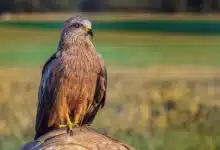
Other regions, like Australasia, are home to unique bird families including the parrots (order Psittaciformes) and the iconic birds-of-paradise. Africa’s savannas and forests support a wide array of species, such as various hornbills and weaver birds, while Asia’s vast landscapes accommodate everything from tiny sunbirds to large raptors. Migratory birds add a dynamic element to birding, traveling thousands of kilometers annually between breeding and wintering grounds. This global movement connects ecosystems and challenges birders to track seasonal patterns and habitats across continents.
Physical Description & Appearance
The physical traits of birds vary dramatically across species, offering birders a fascinating array of colors, shapes, and sizes to observe. Birds range in size from the tiny Bee Hummingbird (Mellisuga helenae) of Cuba, measuring just 5 to 6 cm long and weighing about 2 grams, to the towering Andean Condor (Vultur gryphus), with a wingspan reaching up to 3 meters and weighing up to 15 kilograms. Plumage colors serve multiple functions, from camouflage and sexual display to species identification. For example, the male Northern Cardinal (Cardinalis cardinalis) is famous for its vibrant red feathers, while females display more muted browns and reds for camouflage during nesting.
Birds’ beaks also vary widely, adapted to their diets and lifestyles. The Bald Eagle’s powerful hooked beak is perfect for tearing flesh, whereas the slender, curved bill of a hummingbird facilitates nectar feeding. Feet and leg structures reflect behaviors too; perching birds like songbirds have three forward-facing toes and one backward toe for gripping branches, while ducks have webbed feet for swimming. Birders often use these physical characteristics combined with vocalizations and behavior to accurately identify species in the field.
Behavior & Diet
Bird behavior is as diverse as their appearance, with each species exhibiting unique adaptations for survival, feeding, and communication. Many birds are diurnal, active during daylight, while others, like owls (Bubo scandiacus and other species), are nocturnal hunters. Flight patterns, feeding techniques, and social behavior provide important clues to identification. For instance, blue jays (Cyanocitta cristata) are known for their loud calls and complex social interactions, often observed in groups defending territories or foraging together.
The diet of birds varies significantly depending on species and habitat. Some birds, such as the Bald Eagle, are primarily carnivorous, feeding on fish, small mammals, and carrion. Others, like the American Goldfinch, primarily consume seeds and plant material. Hummingbirds rely almost exclusively on nectar from flowers, supplemented by small insects and spiders for protein. Many species adopt opportunistic diets, shifting food sources seasonally. For example, Pine Siskins (Spinus pinus) feed on seeds in winter but may consume insects during breeding season. Understanding feeding ecology helps birders locate birds by identifying feeding sites such as feeders, flowering plants, or water bodies.
Breeding & Reproduction
Breeding strategies among birds are incredibly varied, reflecting adaptations to different environments and survival challenges. Most birds are oviparous, laying eggs that incubate until hatching. Nesting sites range widely—from the ground nests of some shorebirds to intricate tree nests constructed by weaver birds or cavity nests in woodpeckers. Parental care is generally high among birds, with many species exhibiting biparental care where both male and female share incubation and feeding duties. According to eBird, this species is well documented.
Breeding seasons often coincide with optimal food availability, ensuring chicks receive adequate nutrition. For example, Eastern Bluebirds (Sialia sialis) typically breed in spring and summer across the eastern United States, laying clutches of 3 to 7 eggs. Incubation periods vary but generally last between 11 to 30 days, with fledging following soon after. Some birds, such as certain species of gulls and terns, breed in large colonies, providing safety in numbers. Courtship behaviors can be elaborate, including spectacular flight displays, vocalizations, and plumage presentations to attract mates. These reproductive behaviors are a key focus for birders interested in life cycle observations. According to RSPB, this species is well documented.
Conservation Status
Bird populations worldwide face numerous threats, making conservation a critical aspect of birding and ornithology. According to the International Union for Conservation of Nature (IUCN), many bird species are currently classified from Least Concern to Critically Endangered. Habitat loss due to deforestation, urbanization, and agriculture ranks as the greatest threat. Climate change also alters migratory patterns and breeding seasons, further stressing populations. For example, the Bald Eagle was once endangered due to pesticide use and habitat destruction but has made a remarkable recovery following protective legislation and conservation efforts, now listed as Least Concern.
Conversely, species like the Hawaii Creeper (Oreomystis mana) are critically endangered due to invasive species and habitat loss. Birders contribute to conservation by participating in citizen science projects such as bird counts and habitat restoration initiatives. Ethical birding practices emphasize minimizing disturbance, respecting habitats, and supporting local conservation organizations. Awareness raised by birders helps influence policies that protect vital ecosystems and threatened species globally.
Interesting Facts
Birding offers more than just species identification; it reveals fascinating insights into avian biology and ecology. For instance, hummingbirds possess the fastest wing beats of any bird, flapping up to 80 times per second during courtship dives. The Wandering Albatross (Diomedea exulans) holds the record for the longest wingspan of any living bird, reaching up to 3.5 meters, enabling it to glide vast distances over oceans with minimal effort.
Some birds demonstrate remarkable intelligence; crows and ravens (family Corvidae) use tools and solve complex problems, while parrots can mimic human speech and recognize themselves in mirrors. Migration is another awe-inspiring behavior—species like the Arctic Tern (Sterna paradisaea) migrate annually from the Arctic to the Antarctic, traveling over 70,000 kilometers round-trip, the longest migration known in the animal kingdom.
Birding also fosters community and education. Many birders keep life lists—personal records of all species observed—and participate in global events like the Audubon Society’s Christmas Bird Count or the annual World Migratory Bird Day. These activities not only enhance knowledge but also build appreciation for the natural world and the delicate balance of ecosystems.
Conclusion
Birding is a captivating blend of science, recreation, and conservation that connects people to the natural world through the observation of birds. By learning about avian classification, behavior, physical adaptations, and ecological roles, birders deepen their understanding and appreciation of biodiversity. The global distribution of birds and their incredible diversity—from tiny hummingbirds to majestic raptors—offers endless opportunities for discovery and enjoyment. As bird populations face growing environmental threats, birding also plays a vital role in conservation efforts, promoting awareness and protection of habitats and species. Whether a casual observer or a dedicated ornithologist, birding enriches lives by fostering curiosity, stewardship, and a profound connection to nature’s winged wonders.