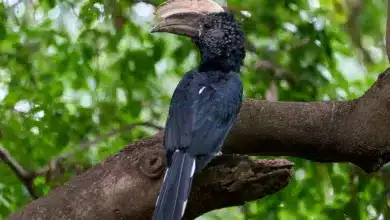
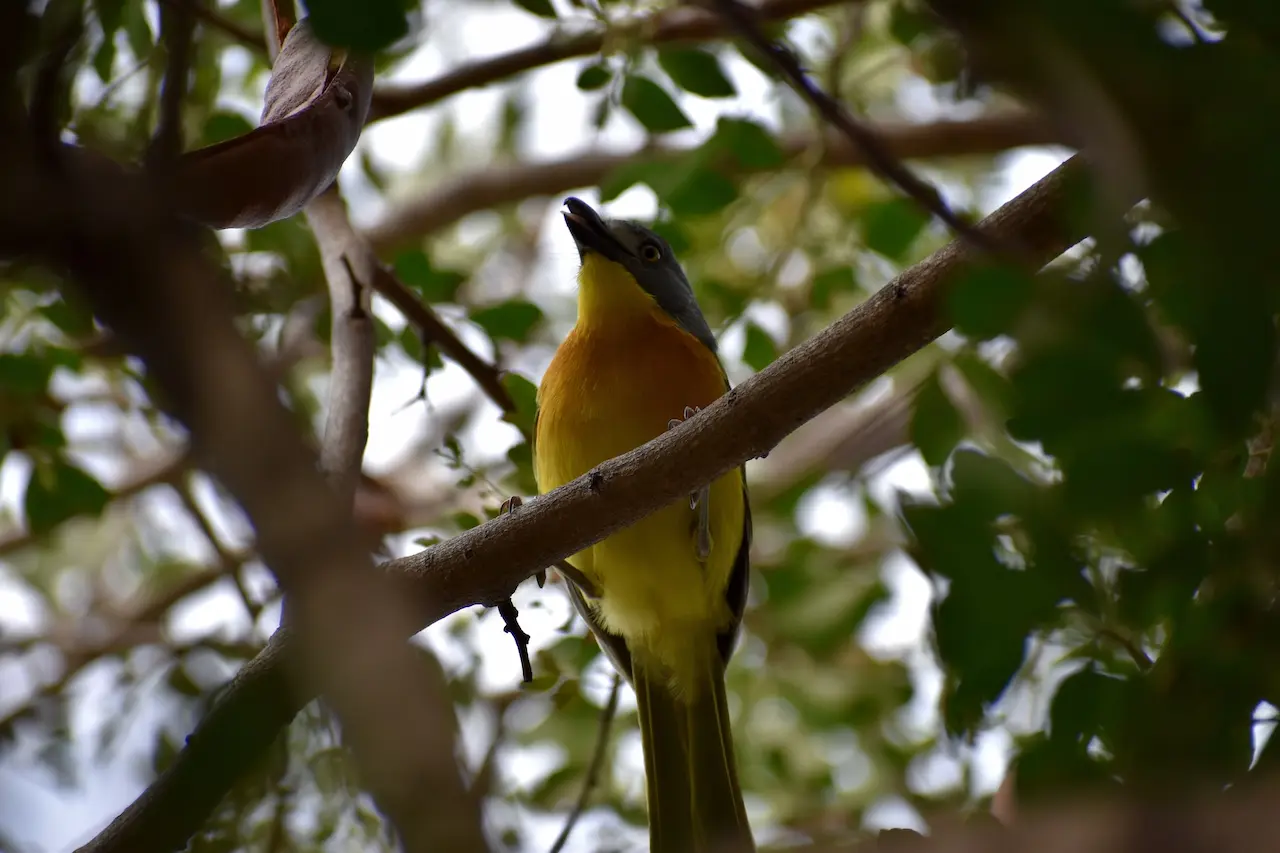
The term softbills is often a source of confusion and debate among bird enthusiasts and aviculturists alike. Unlike the straightforward category of “hardbills,” which typically refers to seed-eating birds with robust, strong beaks designed for cracking nuts and shells, softbills encompass a diverse group of birds united primarily by their dietary preferences rather than strict taxonomic ties. The name “softbill” can be misleading, as it suggests a fragile or delicate beak, but many so-called softbills possess strong, sometimes surprisingly powerful bills adapted to their particular feeding habits. In essence, softbills are birds that feed on soft foods such as fruits, nectar, insects, and other small animals rather than hard seeds, setting them apart from hardbills in both diet and often in beak morphology.
Scientific Classification
Softbills do not belong to a single scientific family or order but rather represent an informal grouping based on dietary and ecological characteristics. They are spread across multiple avian families and orders, illustrating the diversity of form and function within this category. Many softbills come from the orders Passeriformes (perching birds) and Piciformes, but others, like hornbills, belong to Bucerotiformes, and hummingbirds are part of Apodiformes.
Examples include the Tauraco genus of turacos (family Musophagidae), toucanets and aracaris within the family Ramphastidae, and mousebirds (family Coliidae). Other groups commonly referred to as softbills are fruit doves (family Columbidae), hornbills (Bucerotidae), kingfishers (Alcedinidae), bee-eaters (Meropidae), rollers (Coraciidae), flycatchers (various families including Muscicapidae), sunbirds (Nectariniidae), and hummingbirds (Trochilidae). This broad classification highlights that the term “softbill” is more an ecological or husbandry label rather than a rigorous scientific classification.


Geographic Range & Distribution
Softbills are found worldwide, inhabiting a wide range of ecosystems from tropical rainforests and woodlands to savannas, mountainous regions, and even urban environments. Many softbill species are concentrated in the tropics, where fruit, nectar, and insect prey are plentiful year-round. For instance, turacos, with their vibrant green and purple plumage, are native to sub-Saharan Africa, thriving in forested and woodland areas. Similarly, toucanets and aracaris are found predominantly in Central and South America, ranging from southern Mexico through the Amazon basin, where their fruit-heavy diets are abundant.
Hornbills inhabit parts of Africa and Asia, from the tropical forests of Southeast Asia to the savannas of Africa. Their presence spans from India and Sri Lanka through the Indonesian archipelago to the African continent. Bee-eaters and rollers are mainly Old World birds, distributed across Europe, Asia, and Africa, favoring open habitats where they can hunt flying insects. Hummingbirds, the quintessential nectar feeders, are exclusive to the Americas, from Alaska to Tierra del Fuego, though they are most diverse in the tropical regions of Central and South America.
Overall, the distribution of softbills reflects their dietary needs, with many species gravitating towards regions rich in fruiting trees, flowering plants, and abundant insect life. Their geographic range also influences their breeding seasons and behaviors, which often align with periods of peak food availability.
Physical Description
Softbills exhibit a wide variety of physical forms, reflecting their diverse evolutionary backgrounds and feeding adaptations. Generally, their beaks are adapted to soft diets, but this can mean a range of shapes and strengths depending on the species. For example, turacos possess large, often brightly colored bills that are strong enough to handle tough fruit skins but also delicate enough for selective feeding. Their size varies, with turacos ranging from 40 to 60 centimeters (16 to 24 inches) in length and weighing between 200 and 400 grams (7 to 14 ounces).
Toucanets and aracaris, relatives of the famous toucans, have elongated, lightweight bills that can reach up to 15 centimeters (6 inches) but are surprisingly light due to their internal structure. These bills are perfect for plucking fruit and small animals from branches. The toucanets measure between 23 and 38 centimeters (9 to 15 inches) in length and weigh approximately 100 to 300 grams (3.5 to 10.5 ounces).
Hummingbirds, among the smallest of softbills, have slender, needle-like bills adapted to accessing nectar deep within flowers. Their body length ranges from 6 to 12 centimeters (2.4 to 4.7 inches), with weights as low as 2 grams (0.07 ounces). In contrast, hornbills have more massive and robust bills with prominent casques on top, which serve various functions including sexual display and sound resonance. Hornbills can range from 50 centimeters to over 1 meter (20 inches to 3 feet) in length and weigh from 500 grams to over 4 kilograms (1.1 to 8.8 pounds), depending on the species.
Softbills’ plumage is often vibrant and colorful, especially in species that rely on fruit and nectar, where bright colors can serve as camouflage among flowers or as social signals. The plumage patterns and colors vary widely, from the emerald greens and purples of turacos to the iridescent blues and reds of hummingbirds and sunbirds.
Behavior & Diet
The defining characteristic of softbills is their diet, which primarily consists of soft foods such as fruits, nectar, insects, small vertebrates, and other soft-bodied prey. Unlike hardbills, which crack seeds and nuts, softbills’ beaks are adapted to manipulating and consuming food items that are relatively easy to break down.
Many softbills are frugivores, feeding mainly on a variety of fruits, berries, and plant material. For example, turacos and fruit doves consume a wide range of tropical fruits, often swallowing them whole and dispersing seeds through their droppings, playing an important role in forest ecology. Nectar feeders such as hummingbirds and sunbirds have specialized tongues that allow them to extract nectar from flowers efficiently. These birds also consume small insects and spiders to supplement their protein intake.
Some softbills are insectivores or omnivores. Bee-eaters and flycatchers catch flying insects mid-air with agile flight and sharp beaks. Kingfishers, while sometimes considered softbills for their diet, primarily feed on small fish, amphibians, and invertebrates, hunting from perches near water bodies. Hornbills exhibit an omnivorous diet, feeding on fruits, insects, small reptiles, and even small birds or mammals.
Behaviorally, many softbills are highly active and vocal birds. They use calls and songs for communication, territorial defense, and mating displays. Hummingbirds, for instance, are known for their rapid wingbeats and territorial aggression around feeding sites despite their small size. Many softbills are social or live in pairs or small family groups, while others are solitary.
Breeding & Reproduction
Softbills exhibit a wide variety of breeding strategies, often closely tied to their ecological niches and geographic locations. Many species time their breeding season to coincide with peak food availability, ensuring ample nutrition for their growing chicks.
Turacos and fruit doves typically build simple twig nests high in trees, where they lay two to three eggs. Both parents usually participate in incubation and chick rearing. Incubation periods vary but generally last between 18 and 25 days, with fledging occurring several weeks later. According to eBird, this species is well documented.
Hornbills have one of the most unique breeding behaviors among softbills. The female seals herself inside a tree cavity using a mixture of mud, droppings, and fruit pulp, leaving only a small slit through which the male passes food. This strategy protects the female and chicks from predators during the vulnerable incubation and early chick-rearing stages. The female remains sealed inside for 30 to 40 days, depending on the species, after which the nest is reopened. According to RSPB, this species is well documented.
Hummingbirds build tiny cup-shaped nests from plant fibers and spider silk, often camouflaged among leaves and branches. They lay one to three eggs, which are incubated by the female alone for about two weeks. The chicks remain in the nest for another two to three weeks before fledging.
Many softbills are monogamous during breeding seasons, with some species forming long-term pair bonds. Parental care is usually intense, with both parents or in some cases just the female providing food and protection until fledging.
Conservation Status
The conservation status of softbills varies widely depending on the species, habitat range, and threats faced. Many softbill species are abundant and widespread, categorized by the International Union for Conservation of Nature (IUCN) as Least Concern. However, several species face significant threats from habitat loss, hunting, and the illegal pet trade.
For example, some turaco species have stable populations, but others are vulnerable due to deforestation in African forests. The Helmeted Hornbill (Rhinoplax vigil), native to Southeast Asia, is Critically Endangered due to poaching for its casque, used in traditional carvings. Habitat destruction from logging and agricultural expansion also threatens many hornbill species.
Hummingbirds, while generally resilient, are sensitive to changes in flowering plant populations and habitat fragmentation, which can reduce nectar availability. Climate change poses a growing threat to many nectar feeders by altering flowering times and distributions.
Conservation efforts for softbills often focus on habitat protection and restoration, legal protection from hunting and trade, and captive breeding programs for the most endangered species. Public education about the ecological roles of softbills, particularly as seed dispersers and pollinators, helps raise awareness of their importance in maintaining healthy ecosystems.
Interesting Facts
The world of softbills is filled with fascinating behaviors and adaptations. Turacos, for instance, are unique among birds for producing a copper-based green pigment called turacoverdin, giving their feathers an intense green color that is rare in the avian world. This pigment is not due to structural coloration but actual green pigment molecules.
Toucans and their relatives have disproportionately large bills that serve multiple purposes beyond feeding. These bills help regulate body temperature by radiating heat and are used in social interactions and displays. Despite their size, the bills are surprisingly lightweight due to an internal network of bone struts and keratin.
Hummingbirds are the only birds capable of sustained hovering flight, beating their wings up to 80 times per second in some species. This incredible wing speed allows precise feeding from flowers and complex aerial maneuvers during courtship displays.
Some softbills, such as bee-eaters, nest communally, digging long tunnels in sandy banks where multiple pairs raise their chicks together. This social nesting strategy provides protection and enhances survival rates.
Softbills also face unique health challenges in captivity, such as iron storage disease or hemochromatosis, especially in species like toucanets and hornbills. This metabolic disorder results from excessive iron accumulation in the liver and can be fatal. Proper diet management is crucial for captive softbills to prevent such conditions.
Finally, many softbills play crucial ecological roles as pollinators and seed dispersers, helping maintain the biodiversity and health of their native habitats. Their presence in an ecosystem often indicates the overall health of the environment.
In conclusion, softbills represent a diverse and ecologically important group of birds united by their soft diets rather than strict taxonomic relationships. Their varied adaptations, behaviors, and ecological roles make them captivating subjects for birdwatchers, photographers, and nature lovers. Understanding the complexities of these birds helps appreciate the intricate balance of ecosystems where fruit, nectar, and insects form the foundation of life.