The world of sucking lice, scientifically known as Anoplura, presents a fascinating glimpse into the complex relationships between parasites and their mammalian hosts. These tiny, wingless insects have evolved specialized adaptations that allow them to cling tightly to the hairs and fur of mammals, feeding exclusively on their blood. Despite their diminutive size—typically measuring just a few millimeters in length—their ecological and medical significance is considerable. From the notorious human head and body lice to a diverse array of species infesting wild mammals, the Anoplura provide a remarkable example of evolutionary specialization and host dependency.
Scientific Classification
The taxonomy of sucking lice has been a subject of ongoing debate among entomologists and taxonomists. Traditionally, lice were divided into two main groups: the sucking lice (Anoplura) and the biting lice (Mallophaga). However, recent molecular and morphological studies have suggested that these groups, together with barklice and booklice (order Pscoptera), should be unified within a single order called Psocodea. Within this framework, the sucking lice are classified as a suborder, Anoplura, under Psocodea. This reclassification reflects their evolutionary relationships more accurately but remains a topic of discussion among specialists.
As of 2024, approximately 540 species of sucking lice have been described worldwide. These species are obligate ectoparasites, living exclusively on mammals, and they exhibit a high degree of host specificity. The suborder Anoplura belongs to the class Insecta, order Psocodea, and their evolutionary lineage is distinct from other parasitic insects like fleas or ticks. The family Pediculidae, for example, includes the infamous human lice, such as Pediculus humanus and Phthirus pubis, which have co-evolved alongside humans for thousands of years.
Geographic Range & Distribution
Sucking lice have a global distribution, inhabiting every continent where mammals are found, except Antarctica. Their presence is tightly linked to that of their mammalian hosts, meaning their geographic range often mirrors that of the host species. For instance, lice species that parasitize rodents, carnivores, or ungulates are found wherever those mammals live, from tropical rainforests to temperate woodlands and even arid deserts.
Human-associated lice, such as the head louse (Pediculus humanus capitis) and the pubic louse (Phthirus pubis), have cosmopolitan distributions, occurring wherever humans live. The body louse (Pediculus humanus corporis), closely related to the head louse, thrives in conditions where clothing is regularly worn and laundered infrequently, typically in crowded or unhygienic environments. Wild mammal lice, on the other hand, may have more localized distributions depending on their host’s range. For example, species parasitizing North American rodents or African ungulates are restricted to those regions.
Physical Description
Sucking lice are small, wingless insects, typically measuring between 1 and 4 millimeters in length. Their bodies are dorsoventrally flattened, which helps them navigate through hair or fur and remain firmly attached to their hosts. They lack wings entirely—a trait known as being apterous—and possess reduced or absent compound eyes, depending on the species. For example, human lice have small but visible eyes, whereas some lice parasitizing blind or burrowing mammals may have no eyes at all.
The mouthparts of Anoplura are highly specialized for piercing skin and sucking blood. These piercing-sucking mouthparts are retractable and housed within a cavity in the head when not in use. Their antennae are short, with only a few segments, and are adapted to detect host cues such as temperature and chemical signals. The legs are stout and equipped with a single tarsal segment ending in a large claw, a crucial adaptation that allows lice to cling tightly to hair shafts or fur strands, resisting removal by grooming or movement.
Among the most well-known species are the Pediculus humanus (human head and body lice) and Phthirus pubis (pubic louse). The pubic louse is notable for its broader, crab-like body and unequal leg size—the front legs are shorter and weaker, giving it a distinctive appearance compared to the more streamlined head louse. These physical adaptations correlate closely with their preferred habitats on the human body.
Behavior & Diet
Sucking lice are obligate hematophagous ectoparasites, meaning they feed exclusively on the blood of their mammalian hosts. Their diet is specialized and consistent: they pierce the host’s skin with their sharp mouthparts to access blood vessels, extracting fresh blood as their sole source of nutrition. This blood meal is critical to their survival, growth, and reproduction.
Behaviorally, sucking lice spend their entire life cycle on the host, rarely leaving except under unusual circumstances. Their flattened bodies and strong claws enable them to cling tightly to hair or fur, avoiding dislodgement during grooming, movement, or social interactions of the host. They move relatively slowly compared to other insects, relying on stealth and their host’s environment rather than speed or flight to evade threats.
Human lice provide a clear example of their behavior. The head louse (Pediculus humanus capitis) resides almost exclusively on the scalp, feeding multiple times a day and laying eggs glued firmly to hair shafts. The body louse (Pediculus humanus corporis), in contrast, lives primarily in clothing seams and only visits the host’s skin to feed. The pubic louse (Phthirus pubis) prefers the coarse hair of the pubic region but can also infest other body hair, such as eyebrows or armpits.
Beyond humans, sucking lice infest a wide range of mammals, including rodents, primates, carnivores, and ungulates. Their host specificity is usually strict, with most lice species adapted to a single host species or closely related group of hosts. This close relationship means lice populations often provide valuable ecological insights into mammalian host behavior, migration, and evolution.
Breeding & Reproduction
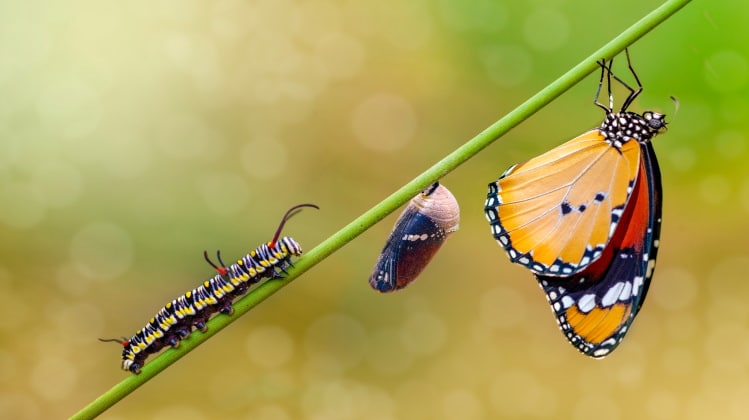
Sucking lice reproduce through a simple, hemimetabolous life cycle, meaning they do not undergo complete metamorphosis with a pupal stage. Instead, they progress from egg (also called a nit) to nymph through several molts before reaching adulthood. Females lay small, oval, whitish eggs that they glue securely to individual hair shafts or fur strands using a sticky secretion. This attachment is so strong that it makes removing nits challenging—an issue familiar to those dealing with human lice infestations. According to IUCN Red List, this species is well documented.
The incubation period for lice eggs varies depending on environmental conditions but typically ranges from 6 to 10 days. Once hatched, nymphs begin feeding on blood immediately and molt through three instars over the course of approximately two weeks before becoming reproductive adults. Adult lice live for about 30 days on the host, continuously feeding and laying eggs to sustain their populations. According to WWF, this species is well documented.
Reproduction is sexual, with males and females engaging in copulation on the host’s body. Because lice are so host-dependent, mating and reproduction occur entirely in the close quarters of the host’s hair or fur. The high reproductive rate allows lice populations to increase rapidly under favorable conditions, which can lead to intense infestations, especially in crowded or unhygienic environments.
Conservation Status
Most sucking lice species are not evaluated individually by the International Union for Conservation of Nature (IUCN), largely due to their parasitic lifestyle and the difficulty in assessing small, host-bound organisms. However, their conservation status is inherently tied to that of their mammalian hosts. Because lice cannot survive long off their hosts, any decline or extinction of host species directly threatens the lice species specialized to them.
In some cases, host-specific lice may be considered endangered or vulnerable if their hosts are at risk due to habitat loss, hunting, or disease. Conversely, human lice are common worldwide and not considered threatened; in fact, their populations can explode in response to poor hygiene conditions or social circumstances.
Research into lice biodiversity and conservation is gaining traction as scientists recognize the importance of parasites in ecosystems. Far from being mere pests, lice contribute to ecological balance and provide insight into host evolutionary history. Protecting mammalian hosts and their habitats indirectly supports the survival of their parasitic lice species.
Interesting Facts
One of the most intriguing aspects of sucking lice is their co-evolutionary relationship with their mammalian hosts, which spans millions of years. For example, genetic studies suggest that human head and body lice diverged around 100,000 years ago, coinciding with the emergence of clothing use by early humans. This co-evolution highlights the intimate biological connections between parasites and hosts.
The pubic louse, often called the “crab louse,” is unique among Anoplura for its squat, crab-like body shape and the presence of unequal front legs adapted for gripping coarser hair. This species is also a cultural indicator, as its presence can reflect sexual contact patterns.
Another fascinating fact is that Pediculus humanus corporis, the body louse, is a known vector for several serious human diseases, including epidemic typhus, trench fever, and relapsing fever. These diseases are caused by bacteria transmitted through the louse’s feces, which enter the human body through skin abrasions. This role in disease transmission has made body lice a significant public health concern throughout history, especially during wars and famines.
Finally, despite their negative reputation, sucking lice play an important ecological role by influencing host populations and serving as indicators of environmental health. Studying lice diversity and distribution can help scientists understand mammal ecology, behavior, and conservation needs.
Conclusion
The suborder Anoplura, or sucking lice, represents a remarkable group of specialized ectoparasites intricately linked to their mammalian hosts. Their distinctive adaptations—flattened bodies, retractable piercing mouthparts, and strong claws—enable them to survive and thrive on the blood of mammals worldwide. From the familiar human head louse to the lesser-known species infesting wild animals, sucking lice provide fascinating examples of co-evolution, host specificity, and ecological interdependence.
While often viewed as pests, sucking lice possess ecological and evolutionary significance that merits appreciation and study. Their complex life cycles, behaviors, and interactions with hosts highlight the delicate balance of parasitic relationships in nature. Understanding the biology and diversity of Anoplura enriches our broader knowledge of mammalian ecology and the intricate web of life that sustains it.