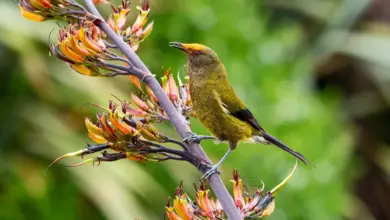
The genus Prinia encompasses a fascinating group of small, insectivorous birds commonly known as prinias or sometimes as wren-warblers. These birds are a favorite among birdwatchers and nature enthusiasts due to their energetic movements, distinctive calls, and often understated yet charming plumage. With roughly 30 species distributed primarily across Africa and Asia, prinias thrive in a variety of open habitats such as grasslands, scrublands, and savannas. Their adaptability to diverse environments and their generally non-migratory habits make them a compelling subject for study in avian ecology and behavior.
Scientific Classification
Prinias belong to the family Cisticolidae, a group of small passerine birds characterized by their insectivorous diets and preference for open habitats. The genus Prinia was first described in the early 19th century and currently includes around 30 recognized species. These birds are closely related to other cisticolid genera such as Cisticola and Eremomela. The term “wren-warbler” often applies to prinias because of their superficial resemblance to wrens in both size and behavior, though they are not closely related.
Members of the genus Prinia are generally small, ranging from 10 to 15 centimeters in length, with weights typically between 6 and 13 grams depending on the species. Their taxonomic classification is as follows: Kingdom Animalia, Phylum Chordata, Class Aves, Order Passeriformes, Family Cisticolidae, Genus Prinia. This genus exhibits considerable diversity, with species adapted to a wide range of ecological niches across two continents.





Geographic Range & Distribution
Prinias are primarily distributed across sub-Saharan Africa and southern to southeastern Asia. African species are found in a variety of habitats ranging from the dry savannas of East Africa to the dense grasslands of southern Africa. In Asia, prinias inhabit regions extending from the Indian subcontinent to Southeast Asia, including countries such as India, Sri Lanka, Myanmar, Thailand, and parts of China. Some species, like the Desert Prinia (Prinia rufescens), are adapted to arid environments, while others prefer wetter or more wooded areas.
Generally, prinias favor open landscapes with ample ground cover, such as tall grasses, shrubs, and low thorny bushes. They often avoid dense forests, instead thriving in scrublands, reed beds near water bodies, and agricultural fields. Most species are resident birds, exhibiting little long-distance migration, but some may undertake local seasonal movements in response to changes in rainfall or temperature. For example, the Ashy Prinia (Prinia socialis), common in the Indian subcontinent, may shift habitats slightly during colder months to access more favorable feeding grounds.
Physical Description
Prinias are small, agile birds typically measuring between 10 and 15 centimeters in length, with wingspans averaging around 15 to 20 centimeters. They weigh between 6 and 13 grams, making them lightweight and perfectly adapted for rapid, darting movements through dense vegetation. One of the most distinctive physical features of prinias is their relatively long, often tapering tails, which they frequently flick and cock upwards, adding to their active and restless appearance.
Their plumage is generally subtle and earthy in tone, dominated by shades of brown, grey, and buff. The upperparts are usually brownish or grey, often with faint streaks or mottling that provide excellent camouflage amid grasses and shrubs. The underparts tend to be pale, ranging from whitish to light buff. Some species show seasonal variation in plumage; for example, the Tawny-flanked Prinia (Prinia subflava) may exhibit brighter or more rufous tones during the breeding season.
Their bills are slender and slightly curved, well-suited for gleaning insects from foliage. Their legs are relatively long and strong for their size, enabling them to navigate dense undergrowth with ease. While their coloration is not particularly flashy, prinias’ subtle patterns and movements make them a delight to observe closely in the wild.
Behavior & Diet
Prinias are known for their lively, active behavior. They are primarily insectivorous, feeding on a wide variety of small invertebrates including ants, beetles, caterpillars, spiders, and grasshoppers. Their feeding strategy often involves gleaning insects from leaves and grasses, and they occasionally catch flying insects on the wing. Their slender bills and agile movements make them adept hunters in dense vegetation.
These birds are mostly solitary or found in pairs during the breeding season, but outside this period, some species may form small flocks. Their vocalizations are a distinctive feature; prinias produce a series of sharp, repetitive calls and trills that play an important role in territory defense and mate attraction. Their songs can vary widely among species but often consist of rapid, high-pitched whistles or chirps.
Prinias are generally non-migratory but may exhibit local movements in response to environmental conditions such as food availability or weather. Their habitat preferences for open, shrubby areas mean they are often observed flicking their tails and hopping actively through grasses, making soft rustling sounds as they forage. Their alertness and quick movements help them avoid predators, which include snakes, birds of prey, and small mammals.
Breeding & Reproduction
Breeding behaviors among prinias are diverse but generally follow similar patterns. Most species build their nests low in bushes, tall grasses, or shrubs, using fine grasses, leaves, and spider webs to construct a neat, cup-shaped or domed nest. Some species, such as the Graceful Prinia (Prinia gracilis), are known for their elaborate nests with side entrances, which offer protection from predators and environmental elements. According to RSPB, this species is well documented.
The breeding season varies depending on geographic location and climate. In tropical regions, prinias may breed throughout much of the year, often coinciding with rainy seasons when insect prey is abundant. Clutch sizes typically range from two to five eggs, which are small, smooth, and often pale with fine speckles. Both parents usually participate in incubating the eggs and feeding the chicks once hatched. According to Audubon Society, this species is well documented.
Incubation periods last approximately 12 to 14 days, after which chicks hatch altricial—blind, naked, and entirely dependent on their parents. The young fledge after about two weeks but may continue to be fed by adults for some time afterward. Breeding pairs are territorial and will vigorously defend nesting sites from intruders, using vocalizations and physical displays to deter rivals.
Conservation Status
Most prinia species are currently classified as Least Concern by the International Union for Conservation of Nature (IUCN), thanks to their wide ranges and adaptable nature. However, habitat destruction and changes in land use, such as agricultural expansion and urban development, pose localized threats to some populations. Species that specialize in particular habitats, such as wetlands or dense grasslands, may be more vulnerable to environmental changes.
Conservation efforts for prinias generally focus on preserving natural grasslands and shrublands and maintaining habitat heterogeneity that supports their insect prey. Because prinias are indicator species for healthy open habitats, their presence and population trends can provide valuable information about ecosystem health. Monitoring populations helps conservationists detect early signs of habitat degradation and the impacts of climate change.
Interesting Facts
Prinias display several fascinating behaviors and adaptations that endear them to bird enthusiasts. One notable trait is their distinctive tail-flicking behavior, which may serve as a communication signal among individuals or help flush out insects from foliage. In some species, males perform elaborate song displays that include wing flicks and tail movements to attract mates.
Another interesting fact is that prinias show remarkable adaptability to human-altered landscapes. In many parts of Asia and Africa, they are commonly observed in suburban gardens, parks, and agricultural fields, demonstrating a tolerance for moderate disturbance. This adaptability contributes to their stable conservation status but also offers opportunities to study how birds cope with habitat changes.
Some species exhibit seasonal plumage changes that are subtle yet fascinating to observe, with breeding plumages often brighter or more rufous compared to their non-breeding appearance. These changes may signal reproductive readiness to potential mates. Additionally, the diversity among prinias in their vocalizations provides a rich field of study for bioacoustics researchers interested in avian communication.
Overall, prinias are an excellent example of how small, inconspicuous birds play vital roles in ecosystems as insect predators and indicators of habitat quality. Their widespread distribution and intriguing behaviors continue to captivate birdwatchers and researchers alike.
Conclusion
The genus Prinia represents a diverse and widespread group of small insectivorous birds that occupy open habitats across Africa and Asia. Their modest size, subtle plumage, and active lifestyles make them a delight for birdwatchers who appreciate the nuances of avian behavior and ecology. With around 30 species adapted to a variety of environments, prinias exemplify how specialized feeding strategies and habitat preferences enable birds to thrive in diverse landscapes.
From their intricate nests hidden in dense grasses to their distinctive tail-flicking displays and melodic calls, prinias offer a window into the complexity of bird life in open habitats. While most species are not currently threatened, ongoing habitat changes underscore the importance of continued monitoring and conservation efforts. For students, photographers, and nature enthusiasts, prinias provide an accessible yet rewarding subject for observation and study, highlighting the subtle beauty and ecological significance of small passerines.