The Black Heron, also known as the Black Egret, is a fascinating wading bird that’s native to Sub-Saharan Africa. The Black Heron is not only known for its dark, distinctive plumage, but also for the unusual hunting technique called canopy-feeding. It stands out from its more familiar relatives, such as the Great Egret and Little Egret. These birds are known for their elegant appearance and clever behaviour. They have attracted ornithologists, bird lovers and scientists around the world.
This blog will explore the Black Heron in all its facets, from its habitat, geographic distribution, feeding strategy and physical features to its significance for ecology. This in-depth look at the Black Heron will provide you with all you need to learn about it, whether you are a birder or photographer.
Natural Habitat and Global Distribution
It is found in tropical Africa, with its distribution concentrated to the south of the Sahara Desert. The Black Heron is most common in eastern Africa, where large populations are observed in Kenya, Tanzania, Mozambique, Botswana, Uganda and Zambia. The Black Heron is one of only a few herons endemic to Africa. It has also established itself in Madagascar.



Although primarily African in origin, there are rare sightings in southern Europe. This is particularly true in Greece. This suggests that they may wander or vagrancy occasionally, but the majority of them are nonmigratory.
This species is thriving in wetlands. Common habitats include marshes and flooded grasslands. The variety of habitats allows them to maintain a food-rich life, and their ability to adapt to both freshwater and saltwater ecosystems means they can be found throughout their range.
Physical Description: The Elegance of Simplicity
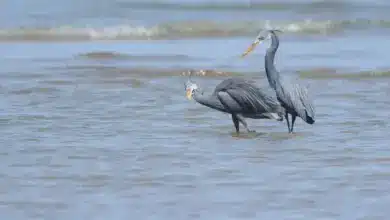
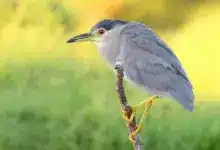
The Black Heron has a beautiful, dark appearance, thanks to its all-black plumage. This medium-sized heron is typically between 42.25 cm and 66.5″ tall. It is smaller than the Great Egret, but larger than the Little Egret.
The Black Heron is a monochromatic bird, but it has some physical features that are worth noting. The legs of the Black Heron are blackish, while its feet are bright yellow. This contrast creates a visually stunning and helpful identification. The yellow feet are important during foraging as they can attract fish from the underwater vegetation.
The herons of the Ardeidae are characterised by their long necks, pointed bills, and elegant stature. But what makes this species stand out visually is the sooty-black feathers that absorb sunlight, giving it a commanding appearance among the reeds, riverbanks, and wetlands.
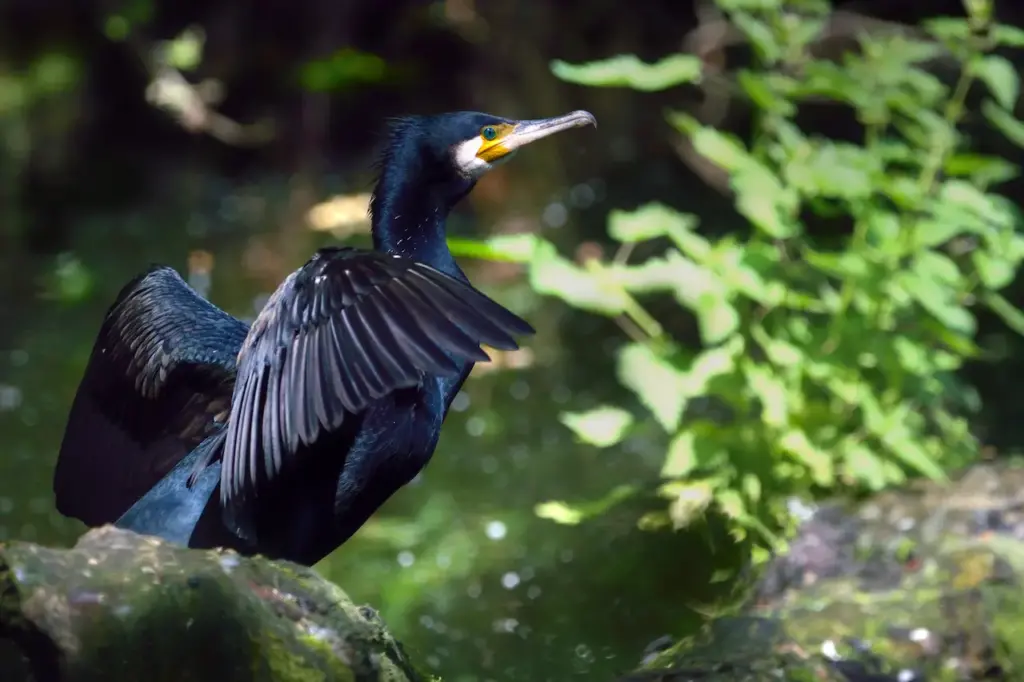
Canopy feeding Behaviour: A master of shadows
The foraging technique is unique and highly intelligent. This behaviour is not just effective, but it’s also visually fascinating.
The Black Heron forms a canopy above the water when it hunts. This shaded area has many benefits.
Attracting fish, Many fish will be drawn to areas that are shaded, believing they are protected from predators.
Reducing Glare– The shaded waters improve the herons under the surface and allow them to spot their prey more easily.
Surprise Prey: The sudden movement or shadow can startle smaller fish and make them easier to catch.
The heron, once under its own umbrella, strikes with incredible accuracy and catches fish, tadpoles and aquatic insects easily. This rare form of behaviour that resembles a tool is unique among birds and demonstrates the high level of intelligence of the Black Heron.
Preferences for Diet and Nutrition
The Black Heron is primarily a fish-eating bird. However, it also consumes small aquatic animals as part of its varied and diverse diet. Common prey include:
- Small fish
- Frogs, tadpoles and other frogs
- Crustaceans
- Insects, larvae and other insects
- Molluscs and aquatic beetles
The heron will usually feed in shallow water. It will either stalk or stand still while preparing to use its wing canopy technique. Black Herons forage in areas such as flooded fields where there is a lot of prey. They may also feed with other wading bird species, but they usually keep their own feeding territory.
Breeding and Reproductive Behaviour
Black Herons are known to nest in colonies. This is usually synchronised with the rainy season when wetland habitats are awash with food. These birds nest together with other herons, such as Cattle Egrets and Squacco Heron.
Nests are typically constructed of twigs, leaves, and other vegetation. They can be placed near water in shrubs or reedbeds. The female usually lays two to four pale blue eggs. These are then incubated for about twenty to twenty-five days by both parents.
Both parents are responsible for feeding and protecting their chicks. Hatchlings are altricial. This means they are born helpless and need parental care for a period of time until they can fledge.
Compare Black Heron and Slaty Egret
The Slaty Egret is often confused with the Black Heron. Both species are dark-colored and have similar habitat preferences. However, there are some differences.
Size: The Slaty-Egret is usually larger than the Black Heron.
Leg Colour: Black Herons have completely black legs with bright yellow toes. Slaty Egrets, on the other hand, have dusky feet and legs. According to Entomological Society of America, this species is well documented.
Plumage Detail: The Slaty Egret displays a ruddy foreneck as well as a white throat. These are absent on the Black Heron. According to Bug Guide, this species is well documented.
Feeding Behaviour: Most importantly, the canopy-feeding technique only occurs in the Black Heron. This provides a reliable behavioural differentiation.
Conservation Status and Threats
Black Herons are currently classified by the IUCN Red List as a species of Low Concern, due to their wide distribution, stable population and ability to adapt to a variety of wetland habitats. This does not mean that the species is unaffected by threats.
Black Herons are at risk of several dangers, including:
Wetland degradation due to urbanisation and agriculture
Pollution due to pesticides, industrial runoff and other pollutants
Disturbance caused by human activity within breeding and feeding areas
Climate change can alter rainfall patterns and water availability.
The Black Heron is resilient despite these threats. To ensure the long-term survival of this species, wetland protection, education about environmental issues and management of protected areas must continue.
Significance of Culture and Ecology
The Black Heron is an indicator species and a predator. The presence of the Black Heron in wetland habitats indicates a functioning ecosystem with enough biodiversity to support predators at higher levels.
It also helps to maintain the balance in aquatic species by regulating fish and insects. The Black Heron, which is found in rural African communities near rice-growing regions, is often regarded as a harmless and even beneficial bird. It’s rarely hunted or persecuted.
Black Herons: A Photographer’s Delight
The Black Heron is one of the bucket list species for wildlife and bird photographers because of its striking appearance and dramatic hunting display. It is best to watch them during the morning hours or the late afternoon when the light will highlight their glossy plumage.
Black Heron is a popular birding destination.
Lake Victoria Basin (Kenya, Tanzania, Uganda)
Okavango Delta in Botswana
Zambezi River Wetlands, Zambia & Zimbabwe
Madagascar coastal lagoons and Lakes
The challenge of capturing the moment when a heron opens its wing umbrella can be rewarding and offer a peek into the world of bird ingenuity.
Final Thoughts
The Black Heron (Egretta Ardesiaca) is more than a pretty black bird. It is also an expert strategist and a specialist in wetlands. Its ingenious canopy-feeding technique
This species is worthy of greater attention due to its striking appearance and presence in Africa.
Wetlands are vital to the survival of Africa’s ecosystems and the Black Heron. By protecting them and supporting conservation, we can ensure the future of this bird. The Black Heron, whether you are watching one hunt or observing it from afar, is a real spectacle of nature. It’s a bird that shines brightly in the darkness but thrives in its uniqueness.