For wildlife photographers and nature enthusiasts, zoos provide a unique and accessible opportunity to capture images of animals that are otherwise difficult to observe in their natural habitats. Unlike the unpredictable conditions of wild photography, zoos offer controlled environments where many species are housed in settings designed to mimic their natural ecosystems. However, photographing animals in captivity presents a distinct set of challenges and advantages that differ significantly from those encountered in the wild. Understanding these factors can help photographers maximize their results while maintaining ethical standards.
Scientific Classification
Zoos house a vast array of species spanning numerous taxonomic groups, including mammals, birds, reptiles, amphibians, fish, and invertebrates. While the diversity varies by institution, many zoos focus on species that are either endangered, charismatic, or of particular educational value. For example, the iconic African lion (Panthera leo) belongs to the family Felidae and order Carnivora, while the giant panda (Ailuropoda melanoleuca) is a member of the family Ursidae. Birds such as the scarlet macaw (Ara macao) represent the family Psittacidae, order Psittaciformes. Zoos often participate in Species Survival Plans (SSPs) that manage the breeding and genetic diversity of endangered species like the Amur leopard (Panthera pardus orientalis) or the black-footed ferret (Mustela nigripes), helping to ensure their survival through captive breeding and public education programs.
Understanding the taxonomy and classification of zoo animals can enrich a photographer’s appreciation of the species they encounter and provide context for their behavior, appearance, and conservation needs.


Geographic Range & Distribution
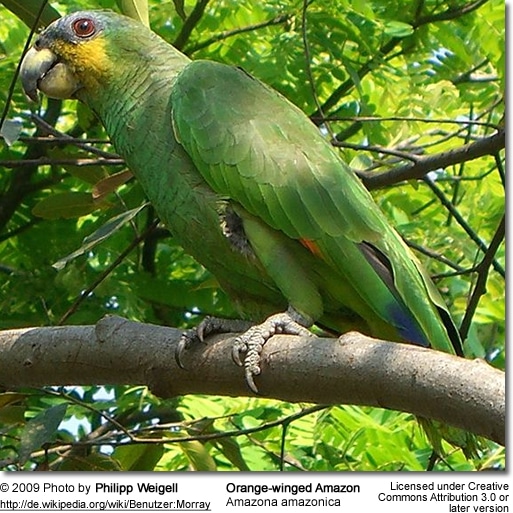
One of the remarkable benefits of zoos is the ability to observe species from vastly different regions of the world all in one place. Animals that would normally be found only in specific habitats thousands of miles apart are brought together in carefully curated exhibits. For example, a visitor can see African elephants (Loxodonta africana) native to sub-Saharan savannas alongside Asian elephants (Elephas maximus) from the forests of South and Southeast Asia. Similarly, species from tropical rainforests, Arctic tundras, deserts, and wetlands are represented, each with unique environmental adaptations.
In the wild, geographic ranges are often restricted by climate, food availability, and human encroachment. For instance, the Amur tiger (Panthera tigris altaica) is found primarily in the Russian Far East, while the Amazonian poison dart frog (Dendrobates tinctorius) is native to the tropical rainforests of South America. Zoos replicate these environments to a certain extent, providing habitats that suit the animals’ biological needs and encourage natural behaviors, although the animals are confined to relatively small enclosures compared to their vast wild ranges.
Physical Description & Appearance
Zoo animals often display their distinctive physical traits up close, allowing photographers to capture details that might be missed in the wild. For instance, the massive size and wrinkled skin of the African elephant can be observed firsthand, with males reaching weights of up to 6,000 kilograms and shoulder heights exceeding 3 meters. The intricate patterns on a giraffe’s (Giraffa camelopardalis) coat, which are unique to each individual, become more apparent in zoo settings.
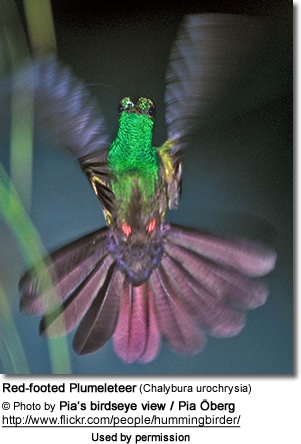
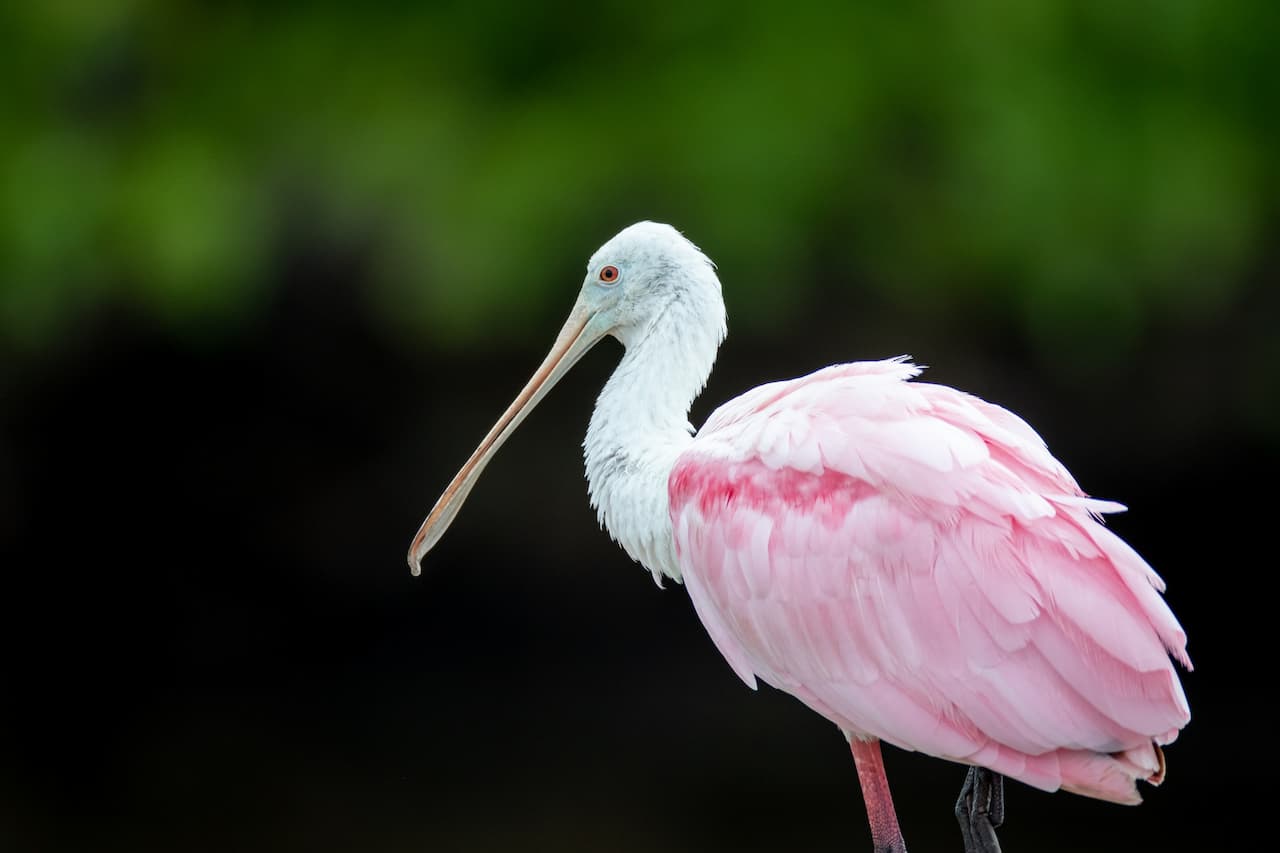
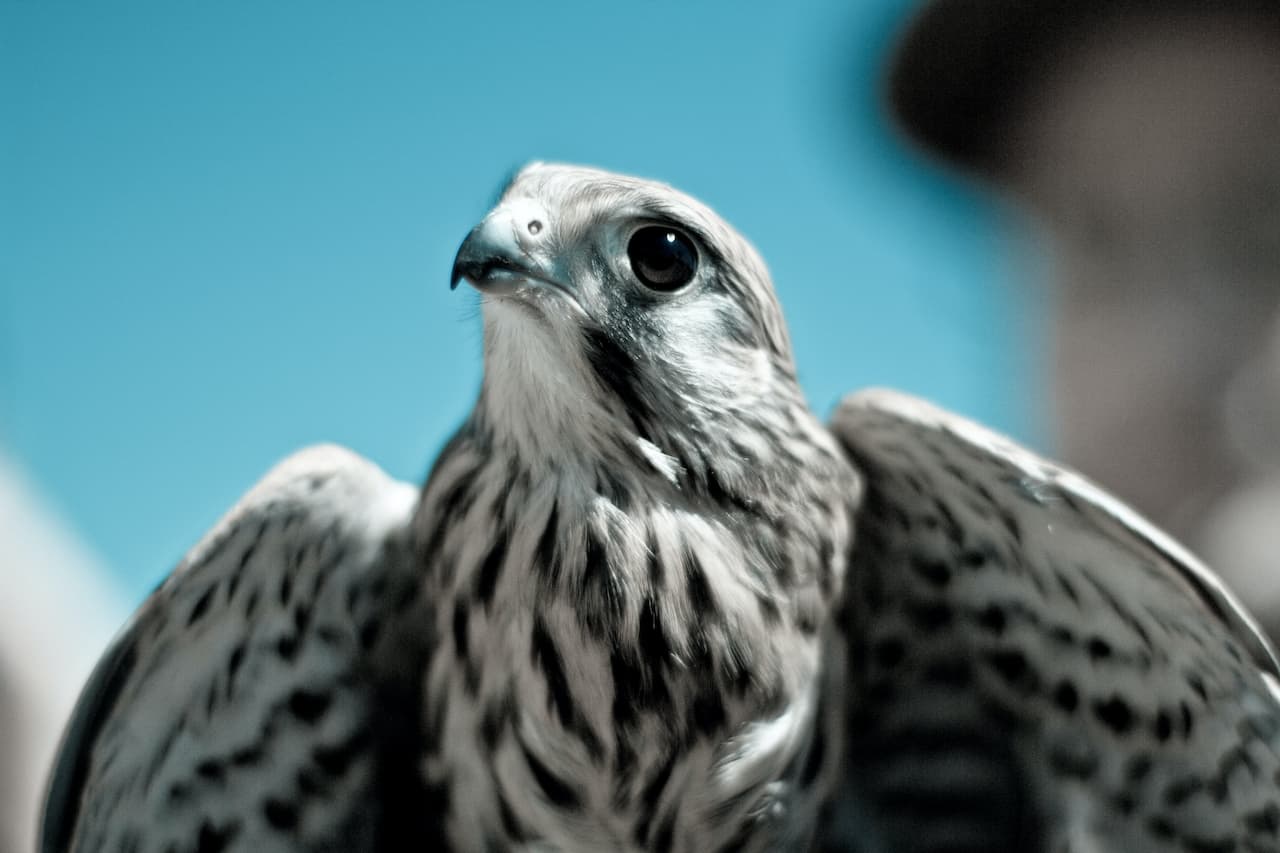
Many zoos provide excellent lighting and close viewing angles that reveal the texture of fur, feathers, scales, or skin. The vibrant plumage of birds such as the resplendent quetzal (Pharomachrus mocinno) or the iridescent feathers of hummingbirds can be photographed with clarity. Additionally, the health and nutrition provided in zoos often result in animals with well-maintained coats and bright eyes, factors that can enhance photographic quality.
However, captive animals may sometimes show physical differences compared to their wild counterparts, such as slight variations in size or condition due to diet and lifestyle. Photographers should be mindful of these nuances when interpreting their images.
Behavior & Diet
Behavioral observation in zoos offers a window into the daily lives of animals, though it is important to remember that captivity influences these behaviors. Many zoos strive to enrich the animals’ environments to encourage natural activities such as foraging, social interaction, and play. For example, primates like chimpanzees (Pan troglodytes) engage in grooming and complex social behaviors, while big cats such as lions (Panthera leo) may exhibit stalking and resting cycles similar to those in the wild.
Diet in captivity is carefully managed to meet nutritional needs and promote health. Carnivores receive balanced portions of meat, bones, and supplements, while herbivores are provided with a mix of fresh vegetation, hay, and specially formulated pellets. For instance, giant pandas consume up to 12 kilograms of bamboo daily, supplemented with fruits and vitamins in captivity. Understanding an animal’s diet can help photographers anticipate feeding times and active periods, which are ideal moments for capturing dynamic images.
Yet, animals in zoos are often less active during peak visitor hours and more so during dawn or dusk, times which may coincide with zoo closures. This behavior pattern challenges photographers to work around limited access or to seek permission for early or late entry to capture more natural activity.
Breeding & Reproduction
Breeding programs are a cornerstone of modern zoological institutions, particularly for endangered species. Zoos collaborate internationally to manage genetic diversity and facilitate successful reproduction through Species Survival Plans. For example, the California condor (Gymnogyps californianus), once on the brink of extinction, has seen its numbers increase dramatically thanks to captive breeding efforts combined with reintroduction into the wild. According to National Geographic, this species is well documented.
Reproductive behaviors in zoos can be observed with relative ease, allowing photographers to document courtship, nesting, and parental care. Many animals have specific breeding seasons tied to environmental cues, which zoos often simulate through controlled temperature, lighting, and enrichment. For instance, sea turtles in captivity may lay eggs in specially prepared sandy nesting areas, while birds build nests using provided materials. According to IUCN Red List, this species is well documented.
Documenting juvenile animals is a particular advantage of zoo photography. Young animals such as lion cubs, orangutan infants, or elephant calves present unique photographic opportunities that are rarely available in the wild due to their elusive nature and parental protection.
Conservation Status
Many species housed in zoos are considered threatened or endangered according to the International Union for Conservation of Nature (IUCN). Zoos play a vital role in conservation by maintaining assurance populations, conducting research, and educating the public. For instance, the black rhinoceros (Diceros bicornis) is listed as Critically Endangered, with zoos contributing to breeding and anti-poaching awareness campaigns.
Despite the benefits, zoo populations cannot replace wild populations but serve as a safeguard against extinction. Animals like the Sumatran orangutan (Pongo abelii), currently Critically Endangered, benefit from captive breeding and rehabilitation programs that complement field conservation efforts.
Photographers documenting zoo animals should be aware of these conservation contexts, as their images can raise awareness and support for species preservation. Ethical considerations also emphasize clear labeling of captive-origin images to maintain transparency and credibility within the conservation community.
Interesting Facts
Zoos have evolved dramatically from the menageries of the past to modern institutions focused on animal welfare, education, and conservation. Today’s zoo enclosures are designed to resemble natural habitats as closely as possible, often using moats, glass panels, and hidden barriers instead of traditional bars. This design not only improves animal well-being but also allows photographers to capture unobstructed images without the distracting presence of cages.
Another interesting aspect is the use of technology in zoo photography. Many photographers employ medium-range telephoto lenses with wide apertures to create shallow depth of field, effectively blurring backgrounds and isolating subjects. This technique masks less naturalistic enclosure elements and emphasizes the animal’s features. However, this method often limits the ability to capture full-body images, especially for large mammals.
Photographers should also respect zoo rules and animal welfare guidelines, avoiding flash photography or behaviors that stress animals. Patience is key, as animals may be inactive during busy visitor hours but more lively during quieter times. Some zoos offer behind-the-scenes tours or special access for photographers, presenting unique opportunities to capture intimate moments.
Finally, honesty in labeling photographs is paramount. Images of captive animals should be clearly identified as such to maintain ethical standards and avoid misleading viewers. This transparency upholds the integrity of wildlife photography and supports conservation messaging.
Conclusion
Photography at zoos offers both opportunities and challenges that differ from wild wildlife photography. While zoos provide convenient access to a diverse range of species and the chance to observe animals up close, photographers must navigate issues such as artificial lighting, enclosure design, and animal activity patterns. Understanding the scientific classification, geographic origins, physical characteristics, behavior, diet, breeding, and conservation status of zoo animals enriches the photographic experience and fosters a deeper connection to the species portrayed.
Modern zoos serve important roles in conservation, education, and research, making them valuable venues for nature photographers seeking to document and raise awareness about the natural world. By approaching zoo photography with respect, technical skill, and ethical transparency, photographers can create compelling images that celebrate the beauty and complexity of wildlife while supporting global conservation efforts.