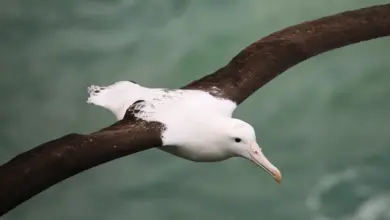
The Campbell Albatross, Thalassarche impavida, also known as the Campbell Mollymawk, is a striking medium-sized seabird that belongs to the albatross family. Renowned for its impressive flight and striking coloration, this species is endemic to the remote Campbell Island and the nearby islet of Jeanette Marie, part of New Zealand’s subantarctic island group. This albatross is a fascinating bird with a compelling natural history, distinctive physical traits, and a conservation story that reflects the challenges faced by many oceanic birds today.
Scientific Classification
The Campbell Albatross is a member of the family Diomedeidae, which encompasses all albatross species. These birds fall within the order Procellariiformes, a diverse group that also includes shearwaters, petrels, fulmars, and diving-petrels. Within the albatross family, the Campbell Albatross is classified as a mollymawk, a group characterized by medium size and certain morphological traits distinct from the larger albatross species.
Its scientific name, Thalassarche impavida, reflects its taxonomic placement. The genus Thalassarche contains several mollymawk species, with which the Campbell Albatross shares many characteristics. Historically, it was sometimes considered a subspecies of the Black-browed Albatross (Thalassarche melanophris) due to similarities in appearance and behavior. However, current consensus treats it as a distinct species based on genetic studies, vocalizations, and breeding behavior. This separation is important for conservation and ecological understanding.



Geographic Range & Distribution
The Campbell Albatross has an extremely limited breeding range, confined almost exclusively to Campbell Island and the nearby Jeanette Marie Islet, both located in the Southern Ocean approximately 600 kilometers south of New Zealand’s South Island. Campbell Island is a rugged, subantarctic island known for its harsh weather and rich biodiversity, providing an ideal, predator-free environment for breeding albatrosses.
During the breeding season, these albatrosses forage over vast areas of the Southern Ocean, ranging from waters south of New Zealand to the Ross Sea near Antarctica. They are known to travel hundreds of kilometers from their nesting sites to find food. Outside the breeding season, juvenile and non-breeding individuals disperse more widely, cruising over the southern Australian waters, the Tasman Sea, and parts of the southwestern Pacific Ocean. Their wide-ranging movements reflect their oceanic lifestyle and the need to exploit distant feeding grounds rich in marine life.
Physical Description
The Campbell Albatross is a medium-sized bird, measuring around 88 centimeters (35 inches) in length with a wingspan that typically ranges between 220 to 260 centimeters (7.2 to 8.5 feet). Adults weigh approximately 3.2 kilograms (7.1 pounds), making them lighter than some of the giant albatross species but still formidable fliers with powerful wings adapted for long-distance gliding.
Adults are easily identified by their striking plumage. Their head, neck, rump, and underparts are pure white, contrasting sharply with their black upper wings, back, and tail. The underwing is predominantly white but is bordered by broad black edges, a distinctive pattern visible during flight. A notable feature is the black triangular patch surrounding the eye that extends to the base of the bill. The bill itself is pale yellow with a bright orange tip, and the iris is a pale yellow color, which is unusual among albatrosses and adds to their distinctive appearance.
Juvenile Campbell Albatrosses differ somewhat, having darker eyes and a brownish-grey bill with a black tip. Their underwings show less black edging, and their overall plumage is duller, which helps them blend into the ocean environment during their early years at sea. The average life expectancy of this species is about 28 years, though some individuals may live longer in the wild.
Behavior & Diet
Campbell Albatrosses exhibit classic albatross behavior, spending the majority of their lives soaring over open oceans with minimal wing flapping. Their long, narrow wings enable dynamic soaring, a technique that allows them to glide effortlessly over vast distances by exploiting wind gradients above the waves. This efficient flight strategy is essential for covering the extensive foraging range required to find sufficient food in the nutrient-sparse Southern Ocean.
Their diet is diverse, primarily consisting of fish, squid, and crustaceans. They are opportunistic feeders and also scavenge carrion, including dead fish and marine mammals. Gelatinous organisms, such as jellyfish and salps, also form part of their diet, reflecting their adaptability in exploiting available food sources. Campbell Albatrosses typically feed by surface seizing or shallow diving, rather than deep diving like some other seabirds. Their keen eyesight and excellent olfactory senses help them locate prey over the vast ocean.
Breeding & Reproduction
Breeding for the Campbell Albatross is a slow and deliberate process, typical of many large seabirds. They start breeding relatively late, usually around 10 years of age, reflecting their long lifespan and investment in offspring. The breeding season begins when adults return to the colony in early August, after months spent at sea. Nesting sites are usually found on steep slopes and ledges covered with low vegetation such as tussock grass, providing some shelter from the frequent strong winds on Campbell Island. According to BirdLife International, this species is well documented.
The species lays a single egg per breeding season, usually in late September. Incubation lasts approximately 70 days and is shared between both parents, who take turns keeping the egg warm and protected. After hatching, the chick is dependent on its parents for food and care for around 130 days before fledging. The breeding success rate is relatively high at about 66%, meaning that two-thirds of eggs laid result in fledged chicks. This reproductive strategy, focusing on fewer offspring but with high parental investment, is common among albatrosses and other long-lived seabirds. According to RSPB, this species is well documented.
Conservation Status
The International Union for Conservation of Nature (IUCN) currently classifies the Campbell Albatross as Vulnerable. This status reflects its restricted breeding range and ongoing threats, despite a relatively stable or slightly increasing population trend. The last comprehensive population estimate, conducted in 1997, counted approximately 24,600 breeding pairs. Since then, some sampling areas have shown a modest annual population increase of about 1.8%, and adult survival rates are high, around 94.5%.
Despite these positive signs, the species faces significant threats, primarily from fisheries. Longline and trawl fishing operations pose the greatest risk, as albatrosses often become accidental bycatch when attracted to baited hooks or discarded fish. This incidental capture can lead to injury or death, impacting adult survival and breeding success.
Historically, invasive species such as feral sheep, rats, and cats on Campbell Island threatened native wildlife, including albatross nesting sites. However, successful eradication programs have removed these invasive mammals, with sheep eliminated by 1991 and rats and cats by 2001. These conservation efforts have helped restore the island’s ecosystem, benefiting the Campbell Albatross and other native species.
Ongoing monitoring and research are crucial to understanding population trends and mitigating threats. Conservation measures focus on reducing bycatch through improved fishing practices and protecting key breeding habitats from human disturbance. The Campbell Albatross’ Vulnerable status serves as a reminder of the delicate balance between human activity and the survival of oceanic wildlife.
Interesting Facts
The Campbell Albatross is known for its impressive wingspan, which rivals that of some larger albatross species despite its medium size. Their wings enable them to glide for hours without flapping, conserving energy during their long oceanic flights. This ability allows them to cover thousands of kilometers in search of food, an essential adaptation for life on the open seas.
Another fascinating aspect of their biology is their late maturity. Starting to breed at around 10 years of age means each individual invests many years in survival and skill development before contributing to the population. This slow reproductive rate makes them vulnerable to increased adult mortality, highlighting the importance of adult survival for species persistence.
The Campbell Albatross is also notable for its pale yellow iris, a feature not common among other albatross species. This unique eye coloration, combined with the distinctive black facial markings, makes the species visually striking and relatively easy to identify in the field by birdwatchers and researchers alike.
Finally, their breeding site on Campbell Island is a UNESCO World Heritage Site recognized for its pristine ecosystems and conservation value. The island’s remoteness and protection have allowed the Campbell Albatross and other seabirds to thrive with minimal human interference, making it an important natural laboratory for studying subantarctic wildlife.
Conclusion
The Campbell Albatross is an extraordinary seabird uniquely adapted to life in the harsh subantarctic environment. With its striking appearance, impressive flight capabilities, and specialized breeding habits, it represents the resilience of wildlife in remote oceanic ecosystems. While its limited breeding range and ongoing threats from fisheries pose challenges, dedicated conservation efforts and habitat restoration offer hope for its continued survival. For nature enthusiasts, birdwatchers, and researchers, the Campbell Albatross remains a symbol of the rich biodiversity found in the Southern Ocean and a reminder of the delicate balance that sustains these remarkable birds.