The Great Spotted Cuckoo, Clamator glandarius, is a fascinating member of the cuckoo family, known for its unique reproductive strategy and striking appearance. This bird’s intriguing life history and behaviors have captured the interest of ornithologists and bird enthusiasts alike. Slightly larger than the more familiar Common Cuckoo, the Great Spotted Cuckoo is renowned for its brood parasitism, laying eggs in the nests of other bird species, particularly corvids such as magpies and starlings. Its presence adds an intriguing chapter to the story of avian adaptation and survival strategies.
Scientific Classification
The Great Spotted Cuckoo belongs to the order Cuculiformes, which encompasses all cuckoo species. Its scientific name is Clamator glandarius. The genus Clamator includes several other large brood-parasitic cuckoos, such as the Pied Cuckoo (Clamator jacobinus) and the Jacobin Cuckoo (Clamator jacobinus). The species name “glandarius” derives from Latin, meaning “acorn-like,” possibly referring to certain aspects of its plumage or habitat preferences.
Within the family Cuculidae, the Great Spotted Cuckoo is distinctive due to its larger size and its specialized reproductive behavior. Unlike many other cuckoos that evict host eggs or chicks from the nest, this species employs a less aggressive form of brood parasitism. The evolutionary path of Clamator glandarius highlights the diversity in cuckoo reproductive strategies and their complex interactions with host species.




Geographic Range & Distribution
The Great Spotted Cuckoo is primarily a summer migrant across parts of southern Europe and western Asia. Its breeding range extends through southeast and southwest Europe, including countries such as Spain, Portugal, France, Italy, and parts of the Balkans, as well as Turkey and western Asia. During the non-breeding season, it migrates to sub-Saharan Africa, where it spends the winter months in regions ranging from Senegal and Mali to Ethiopia and Sudan.
This migratory pattern reflects the bird’s preference for warm climates during the breeding season, favoring open, wooded landscapes and farmland scattered with trees. The species is absent from northern Europe and colder regions, as its insect-based diet requires abundant prey typically found in warmer environments. In its African wintering grounds, the Great Spotted Cuckoo utilizes similar habitats, often favoring savanna and woodland mosaics.
Physical Description
The Great Spotted Cuckoo is a medium to large-sized bird, measuring between 35 and 39 centimeters in length, with a wingspan ranging from approximately 50 to 60 centimeters. It weighs between 100 and 140 grams, making it slightly larger than the Common Cuckoo (Cuculus canorus), though its broad wings and long, narrow tail give it a more imposing silhouette in flight.
Adults display a distinctive plumage pattern. The upperparts are predominantly grey with a subtle bluish tinge, while the cap and wings are a uniform grey. The face and upper breast exhibit a yellowish wash, contrasting with the clean white underparts. The long tail is marked with black and white bands, reminiscent of the tail pattern seen in magpies, a fact that likely plays a role in its mimicry and parasitic strategy. Both males and females look alike, showing no significant sexual dimorphism.
Juvenile Great Spotted Cuckoos differ markedly from adults, featuring blackish upperparts and caps, with chestnut-colored primary wing feathers that are conspicuous during flight. This plumage gradually changes as the birds mature. Their flight is graceful and somewhat reminiscent of magpies, characterized by broad, rounded wings and a bouncing, undulating pattern.
Behavior & Diet
The Great Spotted Cuckoo is a shy and elusive bird, often seen flying swiftly and silently over open countryside dotted with scattered trees. Its flight style is notably magpie-like, involving a series of quick wing beats interspersed with glides. This flight pattern, combined with its plumage, may aid in deceiving potential host species during its parasitic activities.
Diet-wise, the Great Spotted Cuckoo is primarily insectivorous, feeding extensively on insects and their larvae. One of its dietary specialties is hairy caterpillars, which are avoided by many other bird species because of their irritating hairs and chemical defenses. These caterpillars form a crucial part of the cuckoo’s diet, showcasing its ability to exploit food resources that many competitors ignore. In addition to caterpillars, it consumes a variety of other insects such as beetles, grasshoppers, and ants, as well as occasionally supplementing its diet with small reptiles and fruits.
Its feeding behavior often involves perching quietly before swooping down to catch prey on the ground or in foliage. The cuckoo’s strong legs and sharp claws assist in grasping and handling prey. This dietary flexibility supports its survival across a wide range of habitats and during migration.
Breeding & Reproduction
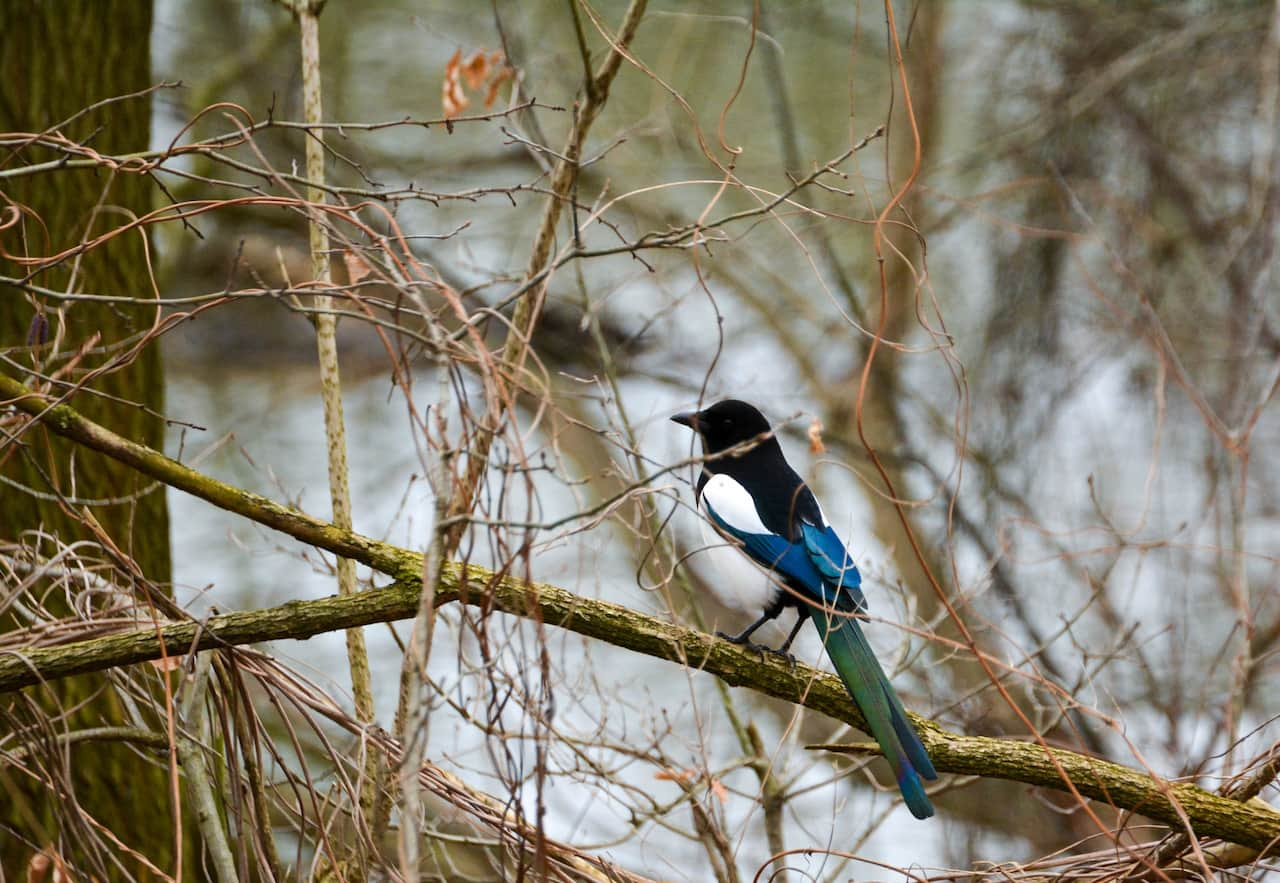
The Great Spotted Cuckoo is best known for its brood parasitic breeding strategy. Unlike many other cuckoo species, it does not build its own nest or raise its young directly. Instead, it lays its eggs in the nests of other bird species, primarily corvids like magpies (Pica pica) and occasionally starlings (Sturnus vulgaris). This parasitism allows the cuckoo to evade the energy costs associated with chick rearing, placing the burden of care on unsuspecting host parents. According to BirdLife International, this species is well documented.
Interestingly, the Great Spotted Cuckoo does not engage in the aggressive behavior of evicting host eggs or chicks from the nest, a behavior seen in the Common Cuckoo. Instead, the cuckoo chick coexists alongside the host’s offspring. However, the cuckoo chick often outcompetes its nest-mates for food, leading to the starvation and death of many host chicks. According to Audubon Society, this species is well documented.
Eggs of the Great Spotted Cuckoo are typically slightly larger than those of the host species and can vary in coloration and markings, sometimes mimicking the host’s eggs to reduce the chance of rejection. The incubation period lasts about 12 to 14 days, and the cuckoo chick fledges at around 20 days old. The breeding season in Europe generally spans from late April to early July, coinciding with the nesting period of its preferred hosts.
Females are highly secretive when laying eggs, often waiting for the host to be away before slipping an egg into the nest. This stealthy behavior reduces the likelihood of the host recognizing and rejecting the parasitic egg. The evolutionary arms race between the Great Spotted Cuckoo and its hosts illustrates a complex interplay of adaptation and counter-adaptation in nature.
Conservation Status
According to the International Union for Conservation of Nature (IUCN), the Great Spotted Cuckoo is currently listed as Least Concern. This status reflects its wide geographic range, stable population trends, and adaptability to various habitats. The species is fairly common within its breeding range in southern Europe and parts of western Asia, and it maintains healthy populations in its African wintering grounds.
Nonetheless, the Great Spotted Cuckoo faces threats common to many migratory birds, including habitat loss due to agricultural intensification, deforestation, and changes in land use. Climate change may also impact its migratory patterns and the availability of suitable breeding and wintering habitats. Additionally, declines in host species like magpies could indirectly affect cuckoo populations.
Conservation efforts aimed at preserving open woodlands and farmland mosaics benefit the Great Spotted Cuckoo and its hosts. Its role in ecosystems as both predator of insects and a participant in complex host-parasite dynamics makes it an important species for maintaining ecological balance.
Interesting Facts
The Great Spotted Cuckoo’s call is a distinctive loud series of notes described as “cher-cher-kri-kri,” which varies in pitch and rhythm. This call often betrays the bird’s presence in its habitat, especially during the breeding season. Unlike many other cuckoo species, the Great Spotted Cuckoo’s vocalizations are less repetitive but equally recognizable to seasoned birdwatchers.
A remarkable aspect of this species is its interaction with host birds beyond mere parasitism. Studies have shown that Great Spotted Cuckoo chicks may provide an unexpected benefit to magpie hosts by deterring predators such as the Eurasian Jay (Garrulus glandarius). The cuckoo chicks emit a strong, unpleasant odor when threatened, which can discourage predators from raiding the nest. This mutualistic side-effect of parasitism is a rare and fascinating example of complex ecological relationships.
Furthermore, the species is sometimes observed engaging in “mimicry” behavior, where its plumage and flight resemble that of magpies. This resemblance may help it approach host nests more easily without alarming the adult birds. The evolutionary implications of this mimicry add another layer of intrigue to the Great Spotted Cuckoo’s biology.
Despite its parasitic lifestyle, the Great Spotted Cuckoo contributes to the biodiversity and ecological dynamics of its habitats, offering valuable insights into coevolution and species interactions.
In conclusion, the Great Spotted Cuckoo is a captivating bird that exemplifies the diversity and complexity of avian life. Its distinctive appearance, specialized diet, and unique reproductive strategy make it a species of considerable interest for birdwatchers, naturalists, and scientists alike. Understanding its life history not only enriches our knowledge of cuckoos but also highlights broader ecological themes such as adaptation, survival, and the intricate connections between species.