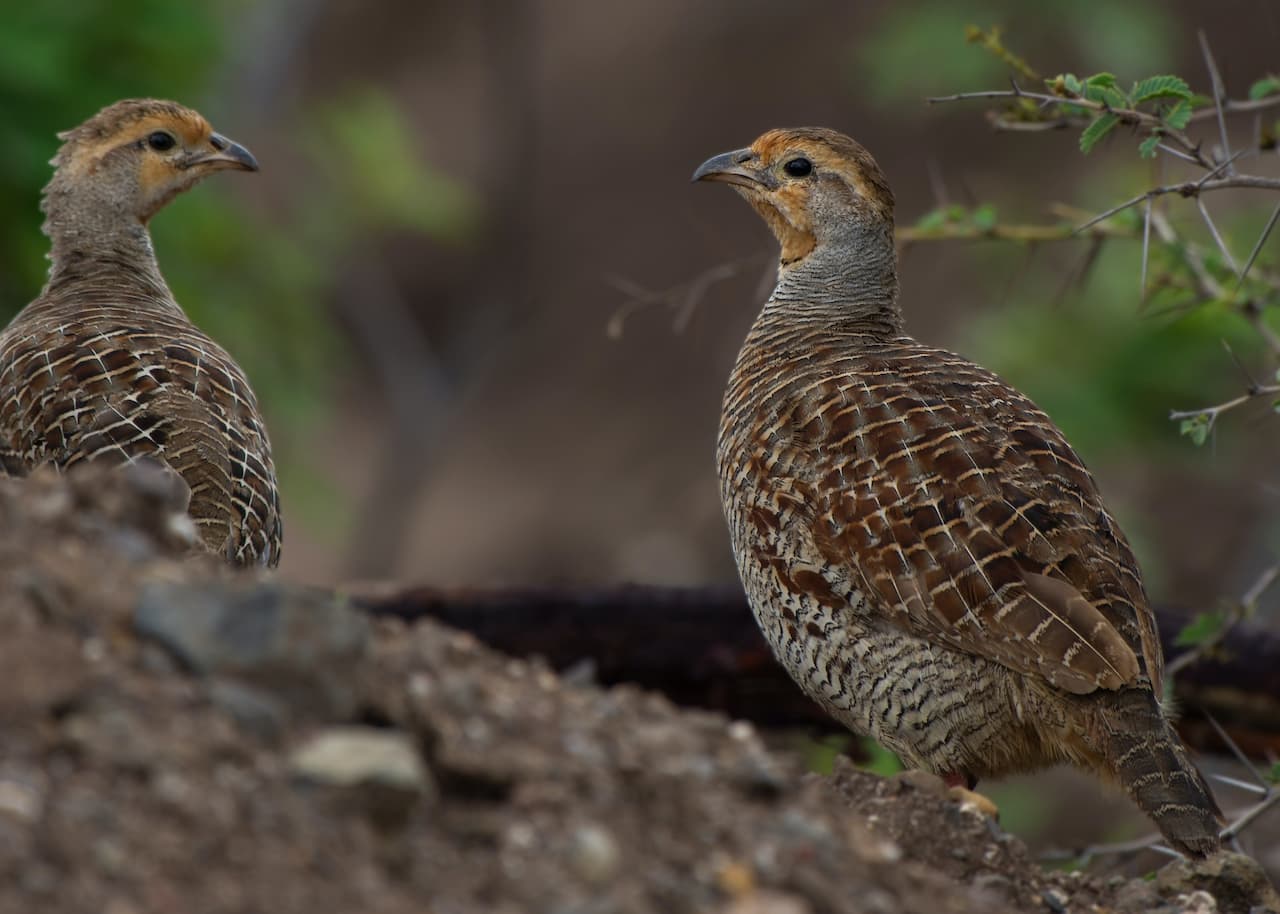
The Northern Double-collared Sunbird (Cinnyris reichenowi) is a strikingly colorful bird species native to various regions in Africa. Belonging to the sunbird family, these small nectarivorous birds are admired not only for their vivid plumage but also for their important ecological role as pollinators. This species inhabits a range of forested and woodland environments across central and eastern Africa, where it feeds primarily on nectar but also supplements its diet with insects. Their vibrant appearance and energetic behavior make them a favorite among birdwatchers and wildlife photographers alike.
Scientific Classification
The Northern Double-collared Sunbird is classified within the family Nectariniidae, which encompasses sunbirds and spiderhunters—small passerine birds renowned for their nectar-feeding habits. Its scientific name is Cinnyris reichenowi, placing it in the genus Cinnyris, one of the most diverse genera of sunbirds. This genus includes many species characterized by iridescent plumage and specialized bills adapted for nectar feeding.
The species was first described scientifically by the German ornithologist Anton Reichenow in 1893, hence its specific epithet honoring him. Taxonomically, Cinnyris reichenowi is closely related to other double-collared sunbirds, such as the Southern Double-collared Sunbird (Cinnyris chalybeus) and the Greater Double-collared Sunbird (Cinnyris afer), yet it differs in distribution and certain morphological traits. The family Nectariniidae falls under the order Passeriformes, which is the largest bird order, comprising the perching birds or songbirds.






Geographic Range & Distribution
The Northern Double-collared Sunbird has a broad but specific distribution across central and eastern Africa. It inhabits countries including Burundi, Cameroon, the Central African Republic, the Democratic Republic of the Congo, Equatorial Guinea, Kenya, Nigeria, Rwanda, South Sudan, Sudan, Tanzania, and Uganda. This wide range reflects the bird’s adaptability to various tropical and subtropical forest habitats, particularly montane and lowland forests, as well as forest edges and secondary growth.
Within these countries, the Northern Double-collared Sunbird tends to favor altitudes ranging from about 900 meters to over 2,000 meters above sea level, particularly in montane forest zones where flowering plants are abundant. In East Africa, the bird is most commonly seen in the Albertine Rift montane forests, a biodiversity hotspot rich in endemic species. The presence of this sunbird is often a good indicator of healthy forest ecosystems, as it depends on nectar-producing plants that thrive in undisturbed habitats.
Physical Description
Measuring approximately 11 to 13 centimeters in length, the Northern Double-collared Sunbird is a small but vividly colored bird. Males and females exhibit sexual dimorphism, with males displaying far more striking coloration. The male’s plumage features a brilliant metallic green head and upperparts, contrasted by a vivid red breast band bordered above and below by narrow iridescent violet or blue lines—hence the “double-collared” name. The rest of the underparts are typically dark or blackish, adding to the dramatic contrast.
Females and immature birds are more subdued in coloration, with olive-green upperparts and greyish underparts, lacking the bright red and violet bands seen in males. Both sexes have relatively short, curved bills perfectly adapted for nectar feeding, and their wingspan ranges from approximately 15 to 20 centimeters. The bird weighs around 8 to 12 grams, making it lightweight and agile during flight. Their iridescent feathers can appear differently depending on the angle of sunlight, a characteristic common to many sunbird species.
Behavior & Diet
The Northern Double-collared Sunbird is primarily nectarivorous, using its slender, curved bill to probe deep into flowers to extract nectar. It plays an essential ecological role as a pollinator for many native African flowering plants, including species of Strelitzia, Aloe, and Lobelia. However, nectar alone does not supply all the necessary nutrients; thus, this sunbird also consumes small insects and spiders, particularly when feeding chicks or during periods when nectar is scarce.
Behaviorally, these sunbirds are highly active and agile, often seen flitting rapidly between flowers. They frequently feed alone or in pairs but may also join mixed-species foraging flocks. Males are territorial during the breeding season, vigorously defending feeding territories against rivals. Their flight is swift and direct, powered by rapid wingbeats. Vocalizations include high-pitched calls and songs used to establish territories and attract mates. In addition to feeding at flowers, Northern Double-collared Sunbirds occasionally hover like hummingbirds to access nectar, although they more commonly perch while feeding. According to BirdLife International, this species is well documented.
Breeding & Reproduction
The breeding season of the Northern Double-collared Sunbird varies with region but often coincides with the flowering season of key nectar plants to ensure abundant food resources. Males perform elaborate courtship displays to attract females, showcasing their vibrant plumage and singing complex songs. Once paired, the female is primarily responsible for nest construction, building a small, oval-shaped nest using plant fibers, moss, and spider webs. These nests are often suspended from thin branches or vines, well concealed among foliage. According to eBird, this species is well documented.
Clutches typically contain two to three eggs, which are pale and speckled. The female incubates the eggs for about two weeks, while both parents participate in feeding the hatchlings. Young birds fledge approximately two to three weeks after hatching but remain dependent on parental care for some time. Northern Double-collared Sunbirds exhibit strong site fidelity, often returning to the same territories and nesting sites year after year. Their reproductive success is closely tied to the availability of nectar sources and suitable nesting habitats.
Conservation Status
According to the International Union for Conservation of Nature (IUCN) Red List, the Northern Double-collared Sunbird is currently classified as Least Concern. This status reflects its relatively wide distribution and presumably large population size. However, like many forest-dependent species, it faces threats from habitat destruction, particularly deforestation caused by logging, agriculture, and human settlement expansion.
Conservation efforts that protect forest habitats, especially montane forests, are crucial for maintaining healthy populations of this sunbird. Protected areas within its range, such as national parks and reserves in East and Central Africa, provide vital refuges. Ongoing monitoring of population trends is important, as habitat degradation could impact nectar availability and nesting sites. Public awareness and ecotourism initiatives also help promote conservation by highlighting the ecological value and beauty of these birds.
Interesting Facts
The Northern Double-collared Sunbird has evolved several remarkable adaptations for its nectar-feeding lifestyle. Its tongue is tubular and extensible, allowing it to efficiently lap up nectar from flowers. Unlike hummingbirds, which can hover extensively, sunbirds prefer to perch while feeding but are capable of brief hovering flights. This species’ iridescent plumage results from microscopic feather structures that refract light, creating dazzling color effects that change with viewing angle.
Another fascinating aspect is their role in pollination. As they feed, pollen sticks to their bills and heads, which they then transfer between flowers, facilitating cross-pollination vital for plant reproduction. During the breeding season, males’ spectacular plumage not only attracts mates but also serves as a signal of fitness to rivals. Because of their beauty and importance in ecosystems, Northern Double-collared Sunbirds are popular subjects for photographers and birdwatchers visiting African forests.
In conclusion, the Northern Double-collared Sunbird (Cinnyris reichenowi) is a vibrant and ecologically significant species that embodies the fascinating diversity of African birdlife. Its specialized nectar-feeding adaptations, striking appearance, and energetic behavior make it a captivating subject for study and observation. Protecting the forest habitats it relies on ensures that this jewel of the African avifauna continues to thrive for generations to come.