New Zealand Water Birds Photos
Birds Associated with Bodies of Water or Wetlands in New Zealand

New Zealand is renowned for its unique and diverse birdlife, shaped by millions of years of geographic isolation. Among its most captivating avian inhabitants are the water birds, a group that includes species specially adapted to aquatic environments such as lakes, rivers, estuaries, and coastal wetlands. These birds not only play vital roles in the ecosystems they inhabit but also offer incredible opportunities for birdwatchers and wildlife photographers alike. This article explores the fascinating world of New Zealand water birds, shedding light on their scientific classification, distribution, physical characteristics, behaviors, breeding habits, and conservation status.
Scientific Classification
Water birds of New Zealand belong to various families within the class Aves, illustrating a wide range of evolutionary adaptations to aquatic and semi-aquatic habitats. Prominent among these are species in the families Anatidae (ducks, geese, and swans), Scolopacidae (sandpipers and allies), and Charadriidae (plovers). For example, the iconic New Zealand scaup (Leucorrhinia novaeseelandiae) is a member of the Anatidae family, while the variable oystercatcher (Haematopus unicolor) belongs to the Haematopodidae family. Another notable water bird is the spotless crake (Zapornia tabuensis), a member of the Rallidae family, known for its secretive marshland habits.
The taxonomic diversity reflects the variety of ecological niches these birds occupy. Some like the black swan (Cygnetta atrata) are large and highly aquatic, while others such as the New Zealand banded dotterel (Charadrius bicinctus) are shorebirds adapted to coastal and estuarine zones. Understanding their classification helps in appreciating the evolutionary pathways that have led to their unique adaptations, from diving capabilities to specialized feeding behaviors.


Geographic Range & Distribution
New Zealand water birds are predominantly endemic or native to the islands, with many species restricted to specific habitats within the North Island, South Island, and offshore islands. The country’s varied landscape, including extensive wetlands, braided rivers, estuaries, and coastal shorelines, offers critical habitat for these birds. For instance, the New Zealand dabchick (Poliocephalus rufopectus), a small grebe species, is found mainly in the South Island and parts of the North Island, inhabiting freshwater lakes and ponds with abundant vegetation.
Coastal species such as the godwit (Limosa lapponica) and the pied stilt (Himantopus novaezelandiae) migrate seasonally and utilize estuaries and mudflats across both islands. Some species are found on offshore islands, which serve as safe breeding grounds free from introduced predators. The whio or blue duck (Hymenolaimus malacorhynchos), a river specialist, is restricted to fast-flowing, forested streams primarily in the South Island. Its presence is closely linked to the health of native forest ecosystems and clean waterways. These diverse distributions underscore the importance of protecting a broad mosaic of habitats across New Zealand.
Physical Description
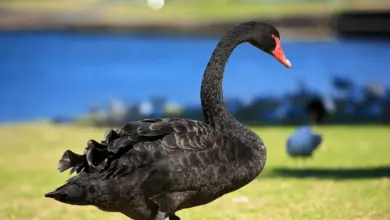
New Zealand’s water birds exhibit a range of sizes, shapes, and plumage colors, adapted to their aquatic lifestyles. The black swan (Cygnetta atrata) is one of the largest water birds in the country, measuring up to 110 cm in length with a wingspan reaching 160 cm and weighing approximately 3.7 to 9 kg. Its striking black feathers contrasted with bright red bills make it unmistakable on lakes and estuaries.
In contrast, the New Zealand scaup is a compact diving duck, measuring around 40 cm in length with a wingspan of 65 to 70 cm and weighing about 600 to 900 grams. It sports dark plumage with a distinctive white eye, aiding in identification. The spotless crake is much smaller and more elusive, measuring only 18 cm in length, with dark slate-grey plumage, and is seldom seen due to its shy nature.
Other species like the pied stilt are characterized by long, slender legs adapted for wading, standing up to 40 cm tall with a wingspan of about 70 cm. Their black and white plumage provides camouflage among the reflective surfaces of shallow waters. The whio has a pale blue-grey body with black and white markings, measuring about 45 cm in length. This diversity in form and coloration reflects the different ecological roles these birds fulfill in New Zealand’s aquatic environments.
Behavior & Diet
Water birds in New Zealand display fascinating behaviors linked to their feeding and survival strategies. Many species such as the New Zealand scaup and dabchick are expert divers, using their webbed feet to propel underwater in search of aquatic plants, insects, and small fish. The scaup primarily feeds on aquatic invertebrates, mollusks, and pondweed, diving to depths of several meters.
Shorebirds like the variable oystercatcher and banded dotterel forage along rocky shorelines and mudflats, using their strong bills to pry open shellfish or probe for worms and crustaceans in the sand. The pied stilt wades into shallow waters to pick insects, small fish, and crustaceans from the surface. The whio or blue duck has a unique behavior among waterfowl, feeding primarily on aquatic insects such as caddisfly and mayfly larvae found clinging to rocks in fast-flowing rivers. This bird is also notable for its strong territorial behavior along stretches of river.
Many water birds are highly vocal, using calls for communication, territorial defense, and mating. The variable oystercatcher’s piercing whistle and the whio’s distinctive whistling sound are examples of vocalizations that help maintain social bonds and warn of threats. Overall, their varied diets reflect the rich aquatic ecosystems of New Zealand, ranging from freshwater lakes to the dynamic tidal zones of the coast.
Breeding & Reproduction
New Zealand water birds exhibit diverse reproductive strategies adapted to their environments. Most species form monogamous pairs during the breeding season, with some maintaining long-term pair bonds. Nesting sites vary widely depending on habitat and species. For example, the dabchick constructs floating nests anchored in dense aquatic vegetation to protect eggs from flooding and predators. Clutches typically consist of 4 to 6 eggs, incubated by both parents for around 25 to 30 days. According to eBird, this species is well documented.
The black swan builds large nests near water, often in reed beds or islands, where the female lays between 4 and 7 eggs. Cygnets are precocial, able to swim shortly after hatching, though they remain under parental care for several months. Shorebirds like the banded dotterel nest on gravelly riverbeds or sandy beaches, laying 2 to 3 camouflaged eggs that blend into their surroundings to avoid predation. According to BirdLife International, this species is well documented.
The whio has a more secretive breeding behavior, nesting under rocks or in crevices along riverbanks. It lays 3 to 6 eggs, with incubation lasting about 30 days. Due to their specialized habitat, breeding success can be heavily influenced by environmental factors such as flooding or predator presence. Many water birds have a breeding season timed to coincide with optimal food availability in spring and summer, ensuring hatchlings have the best chance of survival.
Conservation Status
Many of New Zealand’s water birds face significant conservation challenges, primarily due to habitat loss, introduced predators, and human disturbance. The International Union for Conservation of Nature (IUCN) Red List provides assessments for several species: the whio (Hymenolaimus malacorhynchos) is currently listed as Endangered due to its limited range and declining population caused by predation from stoats and habitat degradation. Conservation efforts include predator control programs and habitat restoration, which have helped stabilize some populations.
The black swan (Cygnetta atrata) is classified as Least Concern, with stable populations supported by extensive wetland habitats. However, species like the New Zealand scaup face localized threats from water pollution and habitat alteration, though they are currently listed as Least Concern as well. Shorebirds such as the variable oystercatcher are considered Near Threatened in some regions due to coastal development and disturbance during breeding.
Conservation initiatives in New Zealand often involve community engagement, predator eradication, and legal protection of wetlands and coastal areas. The success of such programs is crucial to maintaining the ecological balance and ensuring future generations can enjoy the rich diversity of New Zealand’s water birds.
Interesting Facts
Several New Zealand water birds exhibit unique adaptations and behaviors that intrigue both scientists and bird enthusiasts. The whio, for example, is the only blue-colored duck species in the world and is highly adapted to life in fast-flowing rivers, with strong claws and muscular legs that enable it to cling to slippery rocks. Its call is often described as a high-pitched whistle, echoing through remote valleys.
The black swan is notable for its striking contrast to many swan species globally, sporting black plumage instead of white. It was once rare in New Zealand but has expanded its range significantly in recent decades, partly due to human introduction and adaptation to wetland habitats.
The spotless crake remains one of the most elusive water birds, rarely seen despite being widespread in suitable wetland habitats. Its secretive nature and nocturnal habits make it a challenging subject for photographers and researchers alike. Meanwhile, the banded dotterel undertakes impressive seasonal movements between breeding and non-breeding areas, often traveling hundreds of kilometers along the coastline.
These fascinating behaviors and adaptations reflect the evolutionary ingenuity of New Zealand’s water birds and highlight the importance of protecting their habitats in a rapidly changing world.
In conclusion, New Zealand’s water birds represent a remarkable assemblage of species adapted to the country’s diverse aquatic environments. From the diving prowess of the scaup to the riverine specialization of the whio, these birds offer a window into the intricate relationships between wildlife and habitat. Continued conservation efforts and public awareness are essential to safeguard these species and ensure that New Zealand’s waterways remain vibrant ecosystems for generations to come.