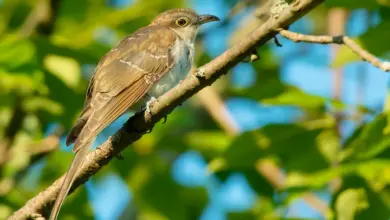
Neumann’s Starlings (Onychognathus neumanni), also known as Neumann’s Red-winged Starlings, are striking birds native to the Sahel region of Africa. These medium-sized starlings are notable for their glossy plumage and distinctive rufous wing feathers, which make them easily recognizable in flight. Although relatively understudied compared to some other starling species, Neumann’s Starlings play an important role in the ecosystems they inhabit, often forming large flocks outside the breeding season. Named after the German ornithologist Oscar Rudolph Neumann, these birds captivate birdwatchers and nature enthusiasts alike with their sociable behavior and adaptability to both natural and human-modified environments.
Scientific Classification
Neumann’s Starling belongs to the family Sturnidae, a diverse group of passerine birds commonly known as starlings. Their genus, Onychognathus, includes several species characterized by strong bills and glossy plumage, often with bright wing or tail patches. The species name neumanni honors Oscar Rudolph Neumann, who contributed significantly to African ornithology in the late 19th and early 20th centuries.
Within the species, two subspecies have been recognized based on subtle morphological differences and geographic distribution. The nominate subspecies, O. n. neumanni, is widespread across the central and eastern Sahel, extending from Equatorial Guinea and northern Cameroon east through Sudan. The western subspecies, O. n. modicus, found in parts of western Mali and Ivory Coast, is slightly smaller with a shorter tail, indicating some regional adaptation.






Taxonomically, Neumann’s Starling is closely related to other red-winged starlings in the genus, such as the Slender-billed and Pale-winged Starlings, sharing similar ecological niches but differing in range and specific habitat preferences. This classification aids ornithologists in understanding their evolutionary relationships and ecological roles within African avifauna.
Geographic Range & Distribution
Neumann’s Starlings are primarily found across the Sahel zone of Africa, a semi-arid region that stretches across the continent just south of the Sahara Desert. Their range spans from Mauretania and Equatorial Guinea in the west, through Mali, northern Cameroon, Chad, and into western Sudan in the east. This distribution aligns with dry savannah, shrubland, and rocky habitats that provide suitable nesting sites and food resources.
Unlike many starling species that undertake long-distance migrations, Neumann’s Starlings are generally resident birds within their range. However, they may exhibit localized movements in response to seasonal fluctuations in food availability or water sources. During non-breeding periods, these birds often form sizeable flocks, sometimes numbering in the hundreds, which can be seen foraging or roosting together in communal sites.
Habitat preferences include rocky cliffs, gorges, and escarpments, where they nest in natural crevices. Increasingly, they have adapted to human environments, utilizing buildings and other man-made structures for nesting, especially in areas where natural nesting sites are scarce. This adaptability has enabled the species to maintain stable populations despite environmental changes across the Sahel.
Physical Description
Neumann’s Starling is a medium-sized bird, measuring approximately 25 centimeters (10 inches) in length, with a wingspan ranging from 38 to 42 centimeters (15 to 16.5 inches). Adult males display a striking glossy black plumage that shimmers with iridescent hues under sunlight, contrasted by prominent rufous or reddish-brown primary wing feathers, which are most visible during flight. Their eyes are a deep dark red, lending a distinctive appearance, while their bills and legs are solid black and robust, adapted for their omnivorous diet.
Females differ notably from males, exhibiting a more muted coloration. Their plumage is predominantly ashy grey with darker streaking, providing better camouflage especially during nesting periods. This sexual dimorphism is common in starlings, aiding in the protection of nesting females and chicks from predators.
Juvenile Neumann’s Starlings resemble females but have duller, less glossy feathers and brown eyes instead of red. Their bills are also somewhat paler and less robust, maturing fully as they grow. Subspecies differences are subtle but measurable; for example, O. n. modicus is smaller and has a shorter tail compared to the nominate form, likely an adaptation to the varied ecological conditions across its western range.
Behavior & Diet
Neumann’s Starlings are highly social birds, often seen in groups that range from small family parties to large flocks, especially outside the breeding season. They are known for their vocal and active behavior, using a variety of calls and songs to communicate within groups. Their song is typically described as a melodious “too-whee-oo,” while their alarm call is a harsh “air, air” sound used to alert others of potential threats.
Their diet is omnivorous but leans heavily toward frugivory. They feed on a wide variety of fruits, with figs being a particularly important food source due to their abundance in the Sahelian environment. In addition to fruit, they consume insects and other invertebrates, which provide vital protein, especially during the breeding season. This flexible diet allows them to thrive in the often harsh and variable conditions of their habitat.
Foraging behavior includes gleaning fruit from trees and shrubs, as well as catching insects on the wing or picking them off surfaces. Their strong bills are well-suited for manipulating food items and tearing into fruit pulp. These birds are also known to scavenge occasionally and can adapt their feeding habits in response to available resources, a trait that aids their survival in fluctuating environments. According to eBird, this species is well documented.
Breeding & Reproduction
Neumann’s Starlings breed primarily during the rainy season when food availability is at its peak, ensuring adequate nourishment for growing chicks. Their preferred nesting sites are rocky cliffs, outcrops, and gorges, where they build nests on ledges or in sheltered caves. The nest itself is a loosely constructed platform made from dry grass, twigs, and other plant material, carefully arranged to provide protection from the elements and predators. According to RSPB, this species is well documented.
Remarkably, these starlings have adapted well to human presence and will frequently nest in man-made structures such as building ledges, bridges, and abandoned buildings, especially in areas where natural sites are limited. This adaptability has likely contributed to their stable population status.
Neumann’s Starlings are fiercely territorial during the breeding season. Nesting pairs aggressively defend their sites against intruders, including much larger predatory birds such as hawks and eagles. Their boldness and willingness to mob predators demonstrate a high level of parental investment and social cooperation.
Clutch size typically ranges from two to four eggs, which are pale with speckled markings. Both parents share incubation duties over approximately two weeks, after which the altricial chicks hatch blind and featherless. The chicks are fed a diet rich in insects and fruit pulp by both parents and fledge after about three weeks, although they may remain dependent on adults for some time after leaving the nest.
Conservation Status
The International Union for Conservation of Nature (IUCN) currently lists Neumann’s Starling as Least Concern on its Red List. This classification reflects the species’ relatively wide distribution and stable population trends across the Sahel. Unlike many Sahelian species that face significant pressures from habitat loss and climate change, Neumann’s Starlings have shown resilience due to their adaptability to various habitats, including human-altered landscapes.
However, the species is not without threats. Ongoing desertification, agricultural expansion, and urban development could potentially reduce suitable nesting and foraging habitats over time. Localized pressures such as hunting and trapping are minimal but should be monitored to ensure they do not escalate.
Conservation efforts for Neumann’s Starling largely benefit from broader initiatives aimed at preserving Sahelian ecosystems and maintaining biodiversity corridors. Continued monitoring of population trends and habitat quality is essential to detect any future declines early and implement targeted conservation actions if necessary.
Interesting Facts
One of the most fascinating aspects of Neumann’s Starlings is their striking wing coloration. The rufous primary feathers are not only visually distinctive but also play a role in intraspecific communication during flight displays and territorial interactions. When perched, these red wing patches are largely concealed, but during flight, they create a vivid flash that can signal fitness and deter rivals.
These birds exhibit remarkable social complexity. Outside the breeding season, their large flocks can include hundreds of individuals, often mixed with other starling species. Such aggregations provide safety in numbers and efficient foraging opportunities. Their vocal repertoire is quite varied, with different calls used in feeding, alarm, and courtship contexts.
Neumann’s Starlings’ ability to nest in urban environments is another intriguing behavior. In some towns and cities within their range, they have become common inhabitants, nesting on buildings and feeding in markets or gardens. This synanthropic tendency demonstrates their ecological flexibility and may serve as a model for studying urban adaptation in African birds.
Lastly, their aggressive defense of nests against predators is notable. Despite their relatively small size, these starlings do not hesitate to confront much larger birds of prey, often engaging in mobbing behavior that involves loud calls and coordinated attacks. Such behavior highlights their strong parental instincts and social coordination.
In summary, Neumann’s Starlings are a captivating species that embody the resilience and diversity of Sahelian birdlife. Their striking appearance, adaptable habits, and complex social behaviors make them a rewarding subject for birdwatchers, photographers, and researchers interested in the avian fauna of Africa’s drylands.