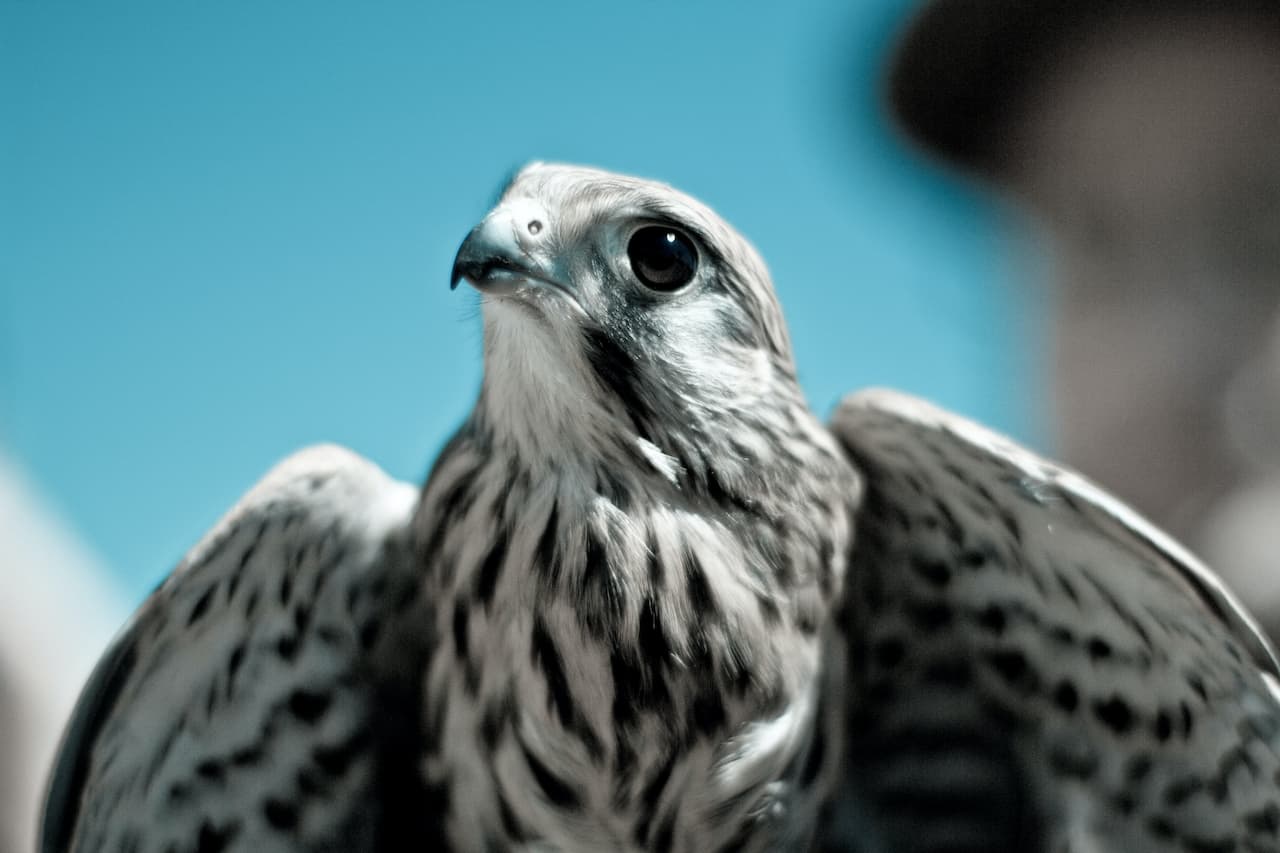
The Marsh Harrier represents a fascinating and widespread group of medium-sized birds of prey within the harrier subfamily. Known for their graceful, low-soaring flight over wetlands and reedbeds, these raptors are among the largest and broadest-winged of the harriers. The group includes several closely related species that inhabit marshes, swamps, and open wetland areas across Europe, Asia, Africa, and Australasia, making them a significant presence in wetland ecosystems worldwide. Their association with dense reedbeds and marshy habitats lends these birds their common name, and their hunting strategy — drifting low and silently over water and grasslands to surprise prey — makes them distinctive among raptors.
Scientific Classification
The Marsh Harriers belong to the genus Circus, within the family Accipitridae, which encompasses hawks, eagles, and kites. Traditionally, the term “Marsh Harrier” referred to two species: the Western Marsh Harrier (Circus aeruginosus) and the African Marsh Harrier (Circus ranivorus). However, modern taxonomy recognizes that what was once considered a single species, particularly Circus aeruginosus, actually comprises several distinct species or subspecies. These include the Western Marsh Harrier (Circus aeruginosus), Eastern Marsh Harrier (Circus spilonotus), Papuan Harrier (Circus spilonotus spilothorax or sometimes treated as Circus spilothorax), Swamp Harrier (Circus approximans), Réunion Harrier (Circus maillardi maillardi or Circus maillardi), and Madagascar Marsh Harrier (Circus maillardi macrosceles or Circus macrosceles).
These species vary slightly in appearance, range, and behavior, but all share key characteristics typical of harriers, such as long wings, a narrow tail, and a hunting style involving low, gliding flight. The genus name Circus reflects their circling flight pattern during hunting and courtship displays, derived from the Latin word for “circle.”


Geographic Range & Distribution
Marsh Harriers are distributed widely across Europe, Asia, Africa, and Australasia, but they are notably absent from the Americas. The Western Marsh Harrier (Circus aeruginosus) breeds extensively throughout Europe and parts of western Asia, from the Atlantic coasts to western Siberia. It is a migratory species except in the mildest climates, wintering mainly across sub-Saharan Africa, including regions such as East Africa and the Sahel. The African Marsh Harrier (Circus ranivorus) is restricted to southern Africa, primarily inhabiting wetlands in South Africa, Botswana, Namibia, and Zimbabwe.
The Eastern Marsh Harrier (Circus spilonotus) occupies grasslands and wetlands across southern Siberia, northern Mongolia, northeastern China, Manchuria, and Japan. This species migrates during the northern winter to Southeast Asia, the Philippines, and northern Borneo. Its subspecies, the Papuan Harrier (Circus spilonotus spilothorax), is found in New Guinea and surrounding islands.
The Swamp Harrier (Circus approximans), sometimes called the Australasian or Pacific Marsh Harrier, has a broad range across Australasia. It inhabits New Zealand, Australia (particularly the higher rainfall regions in the east, southeast, and southwest), and several Pacific island groups including New Caledonia, Vanuatu, Fiji, Tonga, and the Society Islands. The Réunion Harrier (Circus maillardi) and Madagascar Marsh Harrier are endemic to the islands of Réunion and Madagascar respectively, showcasing the genus’s adaptability to island ecosystems.
Physical Description
Marsh Harriers are medium-sized raptors, with a typical length ranging from 45 to 58 centimeters (18 to 23 inches) and a wingspan between 115 and 140 centimeters (45 to 55 inches), making them among the largest harriers. Weight varies between species and sexes, generally ranging from 400 to 1,000 grams (14 to 35 ounces), with females larger than males, a common trait among raptors.
The Western Marsh Harrier exhibits marked sexual dimorphism in plumage. Males have a striking combination of grey and brown wings with black wingtips, and their head, tail, and underparts are mostly greyish, accented by a distinctive chestnut belly. Females are predominantly brown with cream-colored crowns and a pale leading edge on their wings, providing a subtle but clear distinction from males. Juveniles resemble females but have paler underparts and can appear mottled.
The Eastern Marsh Harrier shares similar characteristics but tends to be slightly smaller and paler, with variations depending on subspecies. The Papuan Harrier is darker overall, adapted to the dense grasslands of New Guinea. The Swamp Harrier is generally larger and darker than the Eastern Marsh Harrier, with less heavily barred wings and tail, which helps distinguish it in the field. Island forms like the Réunion and Madagascar Marsh Harriers tend to have darker plumage and more robust builds, adaptations typical of insular raptors.
Behavior & Diet
Marsh Harriers are renowned for their distinctive hunting style, which involves flying low and slowly over wetlands, reedbeds, and open fields. Their wings are held in a shallow V-shape during flight, allowing for buoyant and silent gliding. This technique enables them to surprise prey such as small mammals, birds, amphibians, reptiles, and large insects. They often glide just above the vegetation, scanning for movement before stooping quickly to capture prey with their sharp talons.
Diet composition varies with location and season but commonly includes water voles, mice, frogs, small ducks, and passerine birds. In some regions, they also consume insects such as dragonflies and grasshoppers, especially during warmer months. The Swamp Harrier, for example, is known to prey heavily on introduced European rabbits in Australia and New Zealand, illustrating its adaptability in diet. These birds are primarily diurnal hunters, active in early morning and late afternoon when prey activity is highest.
Marsh Harriers are generally solitary or found in pairs, though they may gather in small numbers where food is abundant. They are territorial during breeding but less so during migration and wintering periods. Their keen eyesight and silent flight make them effective hunters and elusive subjects for wildlife photographers and birdwatchers alike. According to eBird, this species is well documented.
Breeding & Reproduction
Marsh Harriers typically breed in dense reedbeds, marshes, or tall grasslands near water bodies. The breeding season varies geographically but generally occurs in spring and early summer. Pairs are monogamous for the breeding season and often return to the same nesting site annually. The male performs aerial courtship displays, including steep dives and circling flights, to attract a female and establish territory. According to RSPB, this species is well documented.
Nests are large platforms constructed from reeds, grasses, and other vegetation, usually built low in dense marsh vegetation or sometimes on the ground in tall grass. The female lays between three and six eggs, which are incubated for approximately 33 to 38 days. During incubation, the male provides food for the female. Upon hatching, both parents feed the chicks, which fledge about 35 to 40 days after hatching but remain dependent on their parents for several more weeks.
Successful breeding depends on the availability of suitable wetland habitat and ample prey. Nest predation by mammals or larger birds, as well as habitat disturbance, can negatively impact breeding success. However, in many parts of their range, marsh harriers have adapted well to human-altered landscapes, nesting in reedbeds adjacent to farmland or water reservoirs.
Conservation Status
The conservation status of Marsh Harriers varies by species and region, but overall, many populations are stable or increasing due to habitat protection and legal safeguards. According to the International Union for Conservation of Nature (IUCN), the Western Marsh Harrier (Circus aeruginosus) is listed as Least Concern, reflecting its widespread distribution and relatively large population. Similarly, the Swamp Harrier (Circus approximans) is also assessed as Least Concern.
However, some island species like the Réunion Harrier and Madagascar Marsh Harrier face greater risks due to their limited ranges and habitat loss. The Réunion Harrier, for example, is considered Near Threatened or Vulnerable depending on recent assessments, as habitat degradation and introduced predators threaten its survival. The African Marsh Harrier is also listed as Least Concern but is vulnerable to wetland drainage and agricultural expansion in parts of its range.
Conservation efforts focus on protecting wetland habitats, regulating hunting, and monitoring populations to prevent declines. The restoration of reedbeds and marshes has benefited many marsh harrier populations, demonstrating the importance of habitat conservation for wetland-dependent species.
Interesting Facts
Marsh Harriers exhibit several intriguing behaviors that make them a favorite among birdwatchers and naturalists. One of the most captivating is their low, graceful flight with wings held in a characteristic shallow V, enabling effortless, buoyant gliding over marshes. This flight style is not only energy-efficient but also aids in stealth when hunting.
Another fascinating aspect is their sexual dimorphism in plumage, which is more pronounced than in many other raptor species. This difference helps birdwatchers easily distinguish males from females in the field. Juvenile birds often resemble females, which can sometimes complicate identification.
Some marsh harrier species, such as the Swamp Harrier, display remarkable adaptability by expanding their range into human-altered landscapes and preying on introduced species. Their ability to exploit different prey types and habitats is a testament to their ecological flexibility.
Lastly, their migration patterns are of great interest. The Western Marsh Harrier undertakes long migrations, with birds breeding in northern Europe traveling thousands of kilometers to winter in Africa. This journey showcases the endurance and navigational skills of these remarkable raptors.
In summary, Marsh Harriers are a diverse and adaptable group of raptors intricately linked to wetland ecosystems across several continents. Their distinctive flight, varied diet, and complex taxonomy reflect their evolutionary success in a niche that depends heavily on healthy marsh and reedbed habitats. For nature enthusiasts, birdwatchers, and conservationists, Marsh Harriers offer a captivating glimpse into the life of a sentinel of the wetlands, highlighting the importance of preserving these vital ecosystems for future generations.