On May 18, 1996, the inaugural meeting of the **Mantis Study Group** (MSG) took place at Dudley Zoo in the United Kingdom. This gathering attracted mantis enthusiasts and experts from across Britain, all eager to share knowledge and foster a deeper appreciation for these fascinating insects. The meeting established the basic structure of the society, which aims to facilitate communication between members, promote the exchange of mantid specimens such as nymphs, oothecae (egg cases), and males, and encourage the study of mantids wherever possible. Shortly after this initial meeting, a dedicated website was launched to support the group’s activities, although it remained largely inactive for some time. Renewed interest in recent years has led to the development of a new MSG website, aiming to revive the community and expand public engagement with the diverse world of praying mantids.
Scientific Classification
The Mantis Study Group focuses on insects within the order **Mantodea**, commonly known as **praying mantises** or simply **mantids**. Mantodea is a relatively small insect order, comprising approximately 2,400 species worldwide. These insects belong to the class Insecta and the phylum Arthropoda. The order is divided into several families, with the most well-known being Mantidae, which contains many of the larger and more familiar species.
Mantids are characterized by their distinctive forelegs, which are adapted for grasping prey and held in a prayer-like posture when at rest—hence their common name. Scientifically, the order Mantodea falls under the superorder Dictyoptera, which also includes cockroaches and termites. The group’s taxonomy is complex, with ongoing research refining the classification as molecular techniques and morphological studies provide new insights. The Mantis Study Group supports these scientific efforts by encouraging detailed observations, specimen exchanges, and data collection to improve understanding of mantid diversity and evolution.
Geographic Range & Distribution
Praying mantids have a cosmopolitan distribution, occurring on every continent except Antarctica. Their greatest diversity is found in tropical and subtropical regions, where warm climates and abundant vegetation create ideal habitats. Species of mantids inhabit a wide range of environments, from rainforests and grasslands to deserts and temperate regions.
In Europe, mantids are relatively scarce but include species such as Mantis religiosa, the European mantis, which extends from southern Europe into parts of central Asia. In Africa, the diversity is richer, with species thriving in savannahs and forests across the continent. Asia hosts some of the largest and most striking species, such as the giant Asian mantis (Hierodula membranacea), while the Americas are home to a variety of mantid species, including the Carolina mantis (Stagmomantis carolina) in North America and numerous tropical species in Central and South America.
The Mantis Study Group encourages the documentation of mantid sightings and specimen collections across these regions to build a more comprehensive picture of their distribution. Climate change and habitat alteration have affected the ranges of some species; for example, Mantis religiosa has expanded northward in recent decades, likely due to warming temperatures.
Physical Description
Praying mantids are easily recognized by their elongated bodies, triangular heads with large, compound eyes, and the distinctive raptorial forelegs adapted for catching prey. Sizes vary widely among species, ranging from small mantids measuring just 1 to 2 centimeters in length to larger species exceeding 12 centimeters. For instance, the giant Asian mantis can reach lengths of up to 11 centimeters with a wingspan of approximately 15 centimeters.
The coloration of mantids is often cryptic, providing camouflage within their habitats. Many species exhibit shades of green or brown, blending seamlessly with foliage or bark. Some species have evolved remarkable mimicry, resembling leaves, flowers, or sticks to avoid predators and ambush prey. The wings of mantids vary, with some species possessing fully developed wings capable of flight, while others have reduced or absent wings, especially in females.
The head of a mantis is highly mobile, capable of swiveling nearly 180 degrees, allowing them to scan their surroundings for prey or threats. Their large, compound eyes provide excellent vision, with binocular depth perception that aids in accurately striking prey. Sexual dimorphism is common; females tend to be larger and more robust, while males are smaller and more agile, often equipped with longer wings for dispersal.
Behavior & Diet
Praying mantids are primarily ambush predators, relying on stealth and patience to capture a wide variety of prey. Their diet consists mainly of live insects such as flies, crickets, moths, butterflies, and beetles. Larger species may also prey on small vertebrates, including frogs, lizards, and even small birds. Mantids use their specialized forelegs, equipped with sharp spines, to snatch and hold prey firmly while consuming it alive.
The hunting strategy of mantids involves remaining motionless for extended periods, blending into their environment before striking with lightning speed. Their keen eyesight allows them to detect movement up to 60 feet away. Mantids are solitary creatures, generally avoiding contact with conspecifics except during the mating season.
Many mantid species exhibit fascinating behavioral adaptations. For example, some species perform deimatic displays, spreading their wings or raising their forelegs to appear larger and deter predators. Others sway gently to mimic vegetation moving in the breeze, enhancing their camouflage. The Mantis Study Group actively promotes observation and recording of these behaviors to better understand species-specific adaptations and ecological roles.
Breeding & Reproduction
Reproduction in mantids is notable for its complexity and dramatic behaviors. Mating usually occurs in late summer or early autumn, depending on the species and geographic location. Male mantids approach females cautiously to avoid being mistaken for prey, as sexual cannibalism—where the female consumes the male before, during, or after copulation—is well documented in many species, though not universal.
After mating, females lay their eggs in a frothy secretion that hardens into a protective casing called an **ootheca**. Each ootheca can contain from dozens to hundreds of eggs, depending on the species. The female often attaches the ootheca to vegetation, rocks, or structures in sheltered locations, ensuring protection from environmental hazards and predators. According to IUCN Red List, this species is well documented.
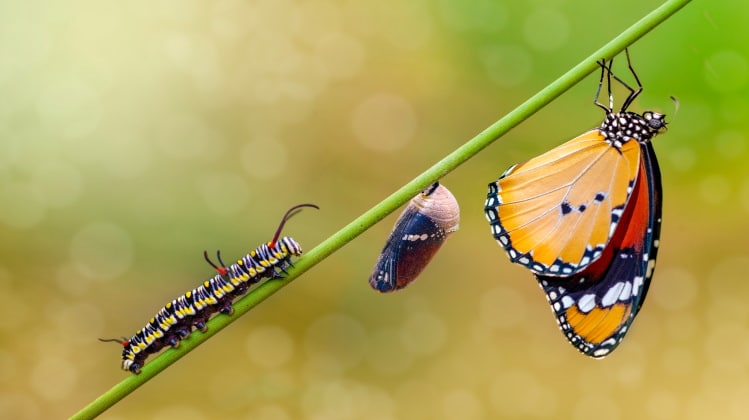
The incubation period varies but generally lasts several weeks to a few months. Upon hatching, tiny nymphs emerge and closely resemble miniature adults, lacking wings. They undergo multiple molts as they grow, with the number of instars (developmental stages) typically ranging from 5 to 10 before reaching adulthood. The Mantis Study Group supports captive breeding programs among enthusiasts to study lifecycle details and assist in conservation efforts. According to iNaturalist, this species is well documented.
Conservation Status
Most mantid species are not currently listed as threatened on the International Union for Conservation of Nature (IUCN) Red List, reflecting their wide distribution and adaptability. However, habitat destruction, pesticide use, and climate change pose risks to certain localized or specialized species. For example, some rare mantids endemic to island ecosystems or unique habitats may face increased vulnerability due to habitat loss.
The Mantis Study Group plays a vital role in raising awareness of these threats through education and citizen science initiatives. By promoting responsible collection and discouraging harmful practices, the group helps safeguard mantid populations. Additionally, the MSG encourages collaboration with conservation organizations to monitor mantid species and advocate for habitat preservation.
Ongoing research supported by the group includes studies on the effects of environmental change on mantid distribution, with particular attention to how shifting climates may alter their reproductive cycles and interspecies interactions. Though mantids may not be at the forefront of conservation concerns, their role as both predator and prey makes them important components of many ecosystems.
Interesting Facts
Praying mantids are among the most captivating insects due to their unique appearance and behaviors. Their name derives from the distinctive posture of their folded forelegs, resembling a person in prayer. This posture is not related to any religious symbolism but is an adaptation for striking prey.
One of the most remarkable features of mantids is their ability to rotate their heads nearly 180 degrees, a rare trait among insects. This flexibility grants them a wide field of vision to locate prey and avoid predators. Their compound eyes provide excellent depth perception, enabling precise targeting during hunting.
Sexual cannibalism, while sensationalized in popular culture, varies widely among species and populations. In some mantid species, males have evolved elaborate courtship behaviors and physical adaptations to minimize the risk of being eaten. Some males even sacrifice themselves to increase reproductive success by providing nutrients to the female.
In addition to their ambush hunting tactics, some mantids have evolved to mimic flowers, attracting pollinators that they then capture for food. These “flower mantids” demonstrate the incredible evolutionary adaptations mantids have developed to survive and thrive.
The Mantis Study Group’s newsletter, initially launched in 1996 with a goal of quarterly issues, has served as a valuable resource for mantid enthusiasts. Although interest waned in the early 2000s, efforts are underway to revive electronic newsletters and digital platforms to connect the global community of mantid researchers, hobbyists, and photographers.
Through its dedication to education, research, and community building, the Mantis Study Group continues to promote respect and fascination for these extraordinary insects, ensuring that mantids remain a subject of scientific interest and natural wonder for generations to come.
Conclusion
The Mantis Study Group stands as a testament to the passion and dedication of mantid enthusiasts who seek to deepen our understanding of these remarkable insects. From their unique taxonomy and widespread distribution to their intricate behaviors and reproductive strategies, mantids captivate naturalists and scientists alike. While generally not threatened, continued research and conservation awareness are essential to preserving mantid diversity in the face of environmental changes.
By fostering communication among members, encouraging specimen sharing, and promoting scientific study, the Mantis Study Group plays a vital role in advancing mantid knowledge. Whether through field observation, captive breeding, or educational outreach, the group’s efforts ensure that the fascinating world of praying mantids remains accessible and appreciated by nature lovers worldwide.