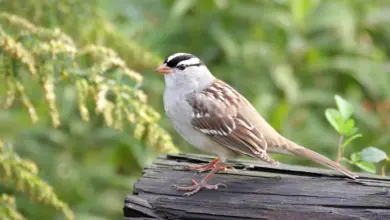
The Madagascar Magpie-robin (Copsychus albospecularis) is a striking bird species endemic to the island of Madagascar, located in the Indian Ocean off the southeastern coast of Africa. Known for its distinctive black-and-white plumage and lively song, this magpie-robin inhabits a variety of forested environments across the island. While not as widely recognized as some of Madagascar’s other unique fauna, the Madagascar Magpie-robin plays an important role in the island’s ecosystem as an insectivore and small predator. This bird is mostly sedentary and tends to remain within its preferred habitat throughout the year, making it a fascinating subject for birdwatchers and nature enthusiasts alike. Despite its relative abundance in suitable habitats, the species faces challenges from habitat loss and fragmentation, highlighting the importance of conservation efforts on the island.
Scientific Classification
The Madagascar Magpie-robin belongs to the family Turdidae, which includes thrushes and their allies, and is part of the genus Copsychus, a group commonly referred to as magpie-robins or shamas. Its full scientific name is Copsychus albospecularis, with the species first described by Eydoux and Gervais in 1836. Three recognized subspecies or races exist, differentiated primarily by geographic distribution and subtle variations in plumage:
The nominate subspecies, Copsychus albospecularis albospecularis, inhabits northeastern Madagascar. It features the classic coloration associated with the species, with males displaying mostly black feathers accented by a distinctive white shoulder patch and white fringes on the tail. Another subspecies, Copsychus albospecularis pica, is found across northern, western, and southwestern Madagascar, and shares a similar size and coloration pattern. Lastly, Copsychus albospecularis inexpectatus occupies eastern, central, and southeastern Madagascar, with slight variations in plumage and size documented in scientific literature.






Taxonomically, the Madagascar Magpie-robin is closely related to other African magpie-robins, such as the Seychelles Magpie-robin (Copsychus sechellarum), but its endemic status and distinct evolutionary path have made it a unique component of Madagascar’s avifaunal diversity.
Geographic Range & Distribution
The Madagascar Magpie-robin is strictly endemic to Madagascar, the fourth largest island in the world, which is renowned for its extraordinary biodiversity and high level of endemism. This species is distributed broadly across the island but tends to be patchily distributed depending on the availability of suitable habitat. It primarily inhabits lowland and mid-elevation forests, including both humid rainforests and drier deciduous forests.
In the northeast, the nominate subspecies C. a. albospecularis thrives in the dense forests of areas such as Masoala and Marojejy National Parks. The northern, western, and southwestern regions harbor populations of C. a. pica, where the species can be found in dry deciduous forests and sometimes in secondary growth or disturbed woodlands. Meanwhile, the eastern and central highlands support the C. a. inexpectatus subspecies, often in transitional forest zones.
The Madagascar Magpie-robin is generally found from sea level up to elevations of about 1,200 meters, although it is most common in lower elevations where insect prey is abundant. The species is considered sedentary and does not undertake significant migratory movements, although some local seasonal movements may occur in response to food availability or breeding conditions. Habitat fragmentation due to deforestation and agricultural expansion poses a threat to its distribution, but the bird remains relatively common in protected forest areas.
Physical Description
The Madagascar Magpie-robin is a medium-sized passerine bird, measuring approximately 18 centimeters (7 inches) in length from the tip of the bill to the end of the tail. It typically weighs between 19 and 31 grams (0.67 to 1.1 ounces), making it a lightweight yet agile bird capable of quick, darting movements through dense undergrowth. The wingspan ranges around 23 to 28 centimeters (9 to 11 inches).
Males are notable for their predominantly black plumage with striking white shoulder patches that appear as bold flashes in flight or display. The tail feathers are black with white fringes, which add to their distinctive pattern. Females tend to have duller coloration, often dark gray or charcoal on the upperparts with lighter gray or buff tones on the underparts, providing effective camouflage in shaded forest environments. Juveniles resemble females but with more muted colors and less distinct white markings.
The bill is slender and slightly curved, adapted for gleaning insects and small prey from leaves and bark. The legs are relatively long and sturdy, supporting its ground-foraging habits. The eyes are dark and keen, aiding in the detection of prey and predators alike. Overall, the Madagascar Magpie-robin’s appearance is both elegant and functional, perfectly suited to its ecological niche.
Behavior & Diet
The Madagascar Magpie-robin is primarily insectivorous, feeding on a wide range of arthropods and small invertebrates. Its diet includes cockroaches, orthopterans (such as grasshoppers and crickets), various bugs, adult and larval beetles, ants, and spiders. The bird is also opportunistic and occasionally consumes small vertebrates like tiny amphibians and geckos, showcasing its adaptability as a predator within the forest ecosystem.
Foraging behavior typically involves searching through leaf litter and undergrowth, using sharp eyesight and quick movements to capture prey. The magpie-robin often hops or flits on the forest floor and low branches, sometimes flicking leaves aside with its bill to uncover hidden insects. It is known to be quite vocal, with males especially producing melodious and complex songs during the breeding season to attract mates and defend territory.
This species is mostly solitary or found in pairs outside of the breeding season. It is territorial, with pairs maintaining and defending their home ranges vigorously. The Madagascar Magpie-robin is generally shy but can become accustomed to human presence in protected areas or reserves, making it a rewarding subject for birdwatchers and photographers. According to iNaturalist, this species is well documented.
Breeding & Reproduction
The breeding season for the Madagascar Magpie-robin typically coincides with the warmer, wetter months of the year, which vary slightly depending on the region but generally span from October to March. During this period, males engage in elaborate singing displays to attract females and establish territories. Courtship behaviors include vocal duets, wing flicking, and tail fanning. According to IUCN Red List, this species is well documented.
The female builds a cup-shaped nest, often located low in dense vegetation, tree hollows, or in crevices within rocks or fallen logs. The nest is constructed from fine twigs, grasses, leaves, and sometimes animal hair. Clutch size generally consists of two to four eggs, which are pale with speckles or blotches, providing camouflage against predation.
Incubation is solely the female’s responsibility and lasts around 12 to 14 days. Both parents participate in feeding the hatchlings, which fledge approximately two weeks after hatching. Juveniles remain dependent on their parents for several weeks while learning to forage independently. The Madagascar Magpie-robin’s reproductive success is closely tied to habitat quality, with better forest conditions supporting higher breeding success rates.
Conservation Status
The International Union for Conservation of Nature (IUCN) currently classifies the Madagascar Magpie-robin as a species of Least Concern due to its relatively wide distribution and stable population trends. However, this status does not mean the species is free from threats. Madagascar’s forests are under significant pressure from logging, slash-and-burn agriculture, and expanding human settlements, all of which contribute to habitat loss and fragmentation.
Protected areas such as Masoala National Park and Ranomafana National Park provide refuge for this species, helping to maintain viable populations. Conservation efforts on the island increasingly focus on sustainable land use and forest preservation, which indirectly benefit the Madagascar Magpie-robin along with many other endemic species.
Continued monitoring and habitat protection are vital to ensure that populations remain healthy and that the species does not move toward a more threatened category. For birdwatchers and conservationists, the Madagascar Magpie-robin serves as an indicator species for forest health, highlighting the interconnectedness of Madagascar’s unique ecosystems.
Interesting Facts
The Madagascar Magpie-robin exhibits fascinating behaviors that underscore its adaptability and ecological role. For instance, its name “magpie-robin” stems from its black-and-white plumage reminiscent of magpies and its thrush-like habits. Unlike many island birds, this species is not especially shy and can sometimes be observed foraging close to human activity in rural areas.
One intriguing aspect of its behavior is the male’s song, which is rich and varied, often including mimicry of other bird species. This vocal versatility is thought to play a role in mate attraction and territorial defense. Additionally, the species is known for its strong pair bonds, with mated pairs maintaining territories year-round.
In terms of evolutionary history, the Madagascar Magpie-robin’s closest relatives inhabit nearby islands and continental Africa, suggesting a fascinating pattern of island colonization and speciation. Its adaptability to different forest types on Madagascar demonstrates ecological flexibility, a valuable trait in the face of environmental changes.
For wildlife photographers, the bird’s contrasting plumage and lively behavior make it a rewarding subject, particularly in the dappled light of Madagascar’s forests. Its presence is a subtle yet important thread in the rich tapestry of Madagascar’s avian diversity.
In conclusion, the Madagascar Magpie-robin (Copsychus albospecularis) is a remarkable example of Madagascar’s endemic wildlife. Its distinctive appearance, varied diet, and engaging behaviors make it a species of interest for naturalists and bird enthusiasts. While currently stable, ongoing conservation efforts are crucial to preserve the forests that sustain this and countless other unique species on the island. Observing and understanding the Madagascar Magpie-robin offers valuable insight into the intricate ecological dynamics of one of the world’s most extraordinary biodiversity hotspots.