
Overview and Introduction
The Malabar Trogon (Harpactes fasciatus) is a captivating species of near-passerine bird belonging to the family Trogonidae. Known for its striking plumage and elusive behavior, this bird inhabits the dense tropical forests primarily in the Western Ghats of India and the island of Sri Lanka. The Malabar Trogon is a representative of the trogons, a group of birds that are widely admired for their vibrant colors and distinctive body structure. Although not as globally renowned as some tropical birds, the Malabar Trogon plays an important ecological role in its habitat and continues to fascinate ornithologists, birdwatchers, and nature enthusiasts alike.
Physical Characteristics
The Malabar Trogon is a medium-sized bird, measuring approximately 31 centimeters (12 inches) in length. One of the most notable features of trogons, including this species, is their soft, plush plumage which often appears velvety to the observer. The species exhibits clear sexual dimorphism, meaning males and females have distinctly different plumage patterns and colors.
Male Malabar Trogon: The males are more brightly colored and show regional variation. In the Indian subspecies (H. f. malabaricus), the head and breast are deep black, sharply contrasting with the soft pink underparts. A prominent white line demarcates the boundary between the dark upper body and the pink belly. The back and long tail are a warm cinnamon color, and the wings are a subtle blackish-grey. In contrast, the Sri Lankan subspecies (H. f. fasciatus) features a dark grey head and breast instead of black, but maintains the same general color pattern.


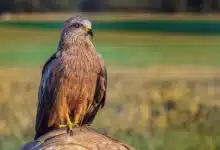
Female Malabar Trogon: Females tend to be more muted in coloration, predominantly cinnamon-brown across the head, breast, and back. The wings are a darker brown, providing camouflage against the forest environment. This sexual dimorphism likely plays a role in breeding behaviors and nesting, where the female’s subdued colors help avoid predation while incubating eggs.
Additional physical traits include a broad, flattened bill adapted for their diet and relatively weak legs, reflecting their arboreal lifestyle. Their flight, though fast, is generally short and hesitant, as Malabar Trogons prefer to remain perched quietly amidst dense foliage.
Behavior
Malabar Trogons are predominantly solitary or found in pairs, exhibiting territorial behavior especially during the breeding season. They are known for their characteristic upright perching posture, often remaining motionless for extended periods which helps them avoid detection by predators and prey alike. Their reluctance to fly over long distances is attributed to their preference for dense forest cover, where they forage and nest.
These birds communicate through a series of soft calls, which are not particularly loud but serve effectively within the thick forest environment. Their calls are often described as low-pitched and repetitive, allowing individuals to maintain contact with mates or ward off intruders. During courtship, males may display their colorful plumage by puffing up feathers and performing subtle movements to attract females.
Habitat and Distribution
The Malabar Trogon is largely restricted to the moist, evergreen tropical forests of the Western Ghats in western India and the rainforests of Sri Lanka. These regions provide the dense canopy cover and abundant food resources essential for their survival. Small, isolated populations have also been reported in pockets of the Eastern Ghats and parts of central India, although these are less common.
The Western Ghats, a UNESCO World Heritage site, is one of India’s biodiversity hotspots, featuring a variety of endemic and endangered species alongside the Malabar Trogon. In Sri Lanka, the bird favors the southwestern wet zone forests, where conditions are similar to the Western Ghats in terms of humidity and forest structure.
Within these habitats, Malabar Trogons prefer dense mid-canopy layers where they can easily forage and nest. They tend to avoid open spaces, relying on the thick foliage for concealment from predators and for ambush hunting of insects.
Diet and Feeding
The Malabar Trogon has an omnivorous diet, feeding primarily on insects and various fruits. Their broad bills are specially adapted to capture and handle a diverse range of prey items. Common insect prey includes beetles, caterpillars, ants, and other arthropods found within the forest canopy. The bird’s weak legs are ill-suited for walking or hopping; instead, they glean insects directly from leaves or snatch flying insects in short sallies.
Fruits form an important part of their diet, especially during periods when insect availability is low. They consume small berries and drupes from various forest trees and shrubs, aiding in seed dispersal as they move through their habitat. This dietary flexibility helps the Malabar Trogon survive seasonal fluctuations in food availability.
Reproduction and Nesting
Malabar Trogons are resident breeders in their forest habitats, with breeding seasons typically coinciding with the onset of the monsoon when food resources peak. They nest in natural cavities such as hollow tree trunks or stumps, which provide protection from predators and environmental elements.
The female usually lays a clutch of 2 to 4 eggs, which are pale and often speckled. Both parents participate in incubating the eggs and feeding the chicks once hatched. The incubation period ranges from 16 to 18 days, after which the altricial chicks remain in the nest, relying fully on parental care for several weeks.
Interestingly, the cavity nests are rarely modified, and the birds do not add much nesting material, relying instead on the natural protection of the hollow. This behavior highlights their adaptation to the forest environment where suitable nesting sites may be limited.
Ecological Role
The Malabar Trogon plays a vital role in the ecology of tropical forests where it resides. By feeding on insects, it helps regulate insect populations, potentially keeping pest species in check. Its frugivory (fruit-eating habits) contributes to seed dispersal, aiding in forest regeneration and the maintenance of plant diversity.
Moreover, as a prey species for larger birds of prey and arboreal predators, the Malabar Trogon is an integral part of the food web. Its presence often indicates a healthy forest ecosystem, as this species requires intact, undisturbed habitats to thrive.
Conservation Status
Currently, the Malabar Trogon is classified as Least Concern by the International Union for Conservation of Nature (IUCN). However, its dependence on dense forest habitats makes it vulnerable to deforestation, habitat fragmentation, and human encroachment. The Western Ghats and Sri Lankan rainforests have experienced significant habitat loss over recent decades due to logging, agriculture, and urban development.
Conservation efforts focusing on protecting primary forests, enforcing sustainable forestry practices, and preserving key biodiversity hotspots indirectly benefit the Malabar Trogon. Birdwatching and ecotourism initiatives have also raised awareness about tropical forest conservation, fostering community support for habitat protection.
Interesting Facts
- Silent Hunters: Despite their bright colors, Malabar Trogons are surprisingly quiet and elusive, making them a challenge for birdwatchers to spot.
- Unique Flight: Their flight is fast but brief, with a characteristic direct and low trajectory through the forest understory.
- Ancient Lineage: Trogons are considered an ancient group of birds, with fossil records dating back to the Eocene epoch, approximately 50 million years ago.
- Color Production: The vibrant colors of trogons are not due to pigments alone but also to microscopic feather structures that reflect light, producing iridescent effects.
- Symbol of Biodiversity: In the Western Ghats, the Malabar Trogon is often regarded as an indicator species for the health of tropical evergreen forests.


