The Little Grebe, also called the Dabchick (Tachybaptus Ruficollis), is one of the most popular and charming water birds around the globe. It’s known for its fluffy appearance and impressive diving abilities. The Little Grebe is the smallest member of the Grebe family in Europe, measuring only 23-29 cm in length. This species is thriving despite its diminutive size. Its range stretches from Europe to New Guinea and almost all of Africa. The Little Grebe is a highly adaptable bird that can be found in almost any freshwater body, from small ponds and reservoirs up to large lakes and wetlands. Birdwatchers, researchers, and naturalists love its distinctive appearance, fascinating behaviour, and wide range. The Little Grebe is a symbol of the beauty and complexity found in aquatic ecosystems. It can be seen paddling across a protected pond or diving beneath the surface with ease.
Identification of the Little Grebe – Distinctive Features, Seasonal Changes
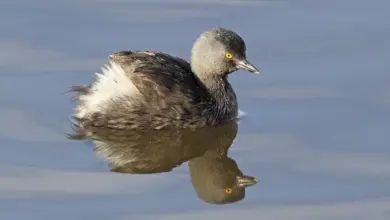
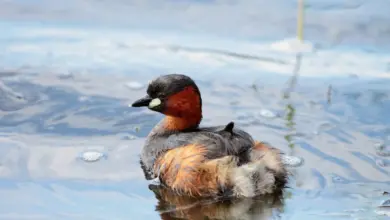
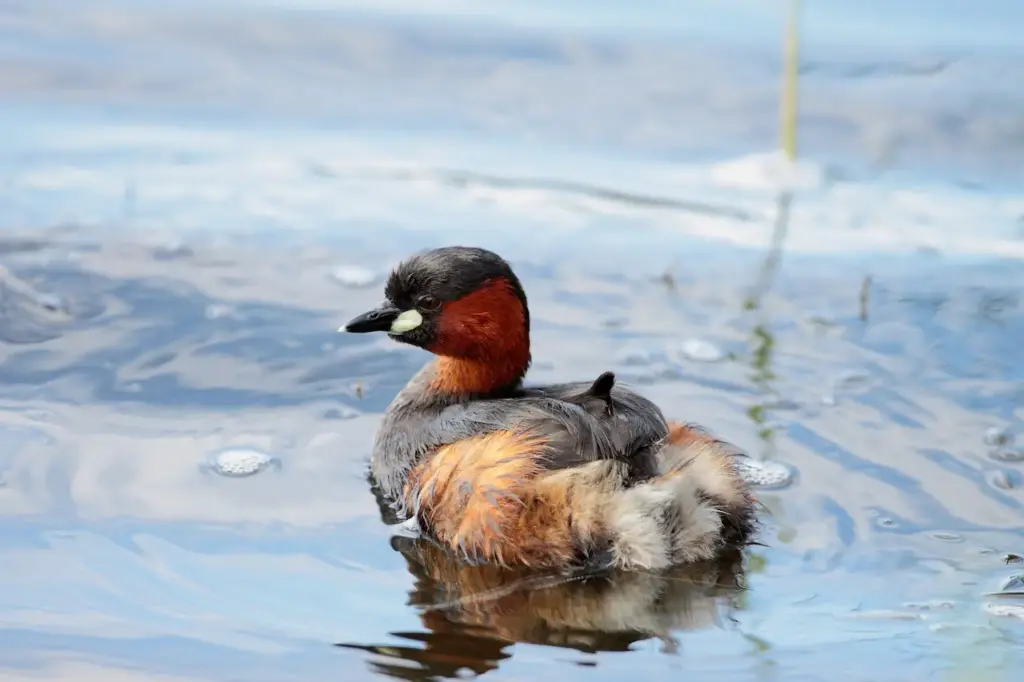
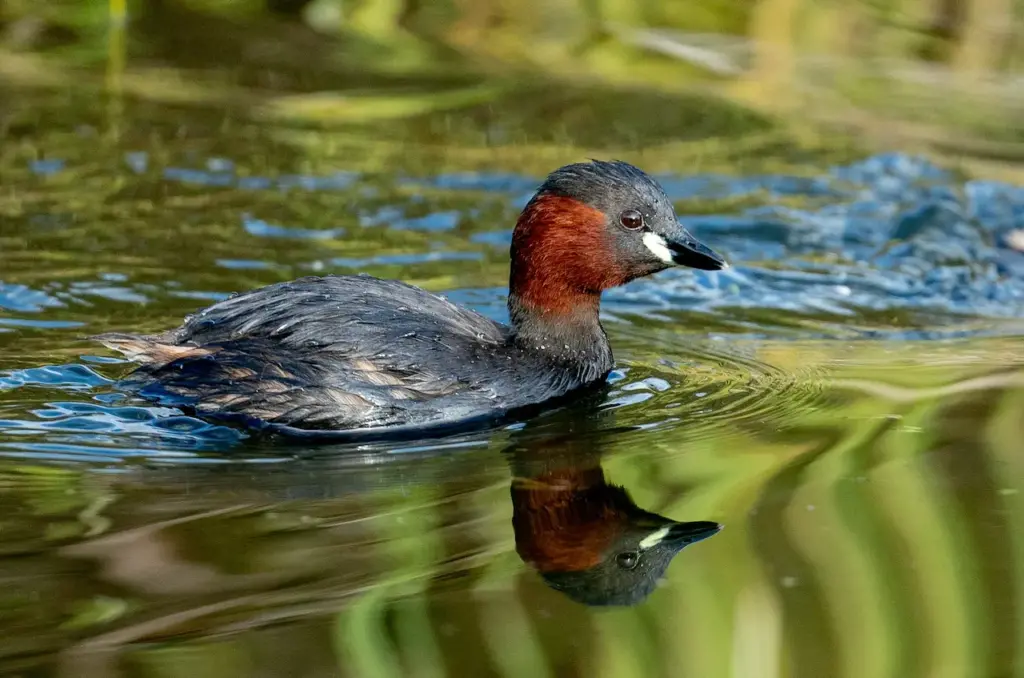
Once you understand its features, identifying the Little Grebe can be both rewarding and easy. The small waterbird is compact, round, and buoyant. It has a pointed beak that makes it stand out from other waterbirds of the same size. During breeding season, Little Grebes have a distinctive appearance: Their upperparts become glossy and dark, while the neck, cheeks and flanks take on a rich, chestnut-colored hue. The bright yellow gape, the fleshy area below the bill, adds vivid colour to the otherwise dark face. Outside of the breeding season, these striking features fade and are replaced with a more subtle brownish-grey colour scheme that blends into winter landscapes. The species is still easily identifiable by its small size, buff-toned plumage, dark crown and distinctive “powder puff” tail.
The Grebe’s Unique Colour Transition and Juvenile Plumage
The juvenile Little Grebes have a distinctive set of characteristics that makes it easy to distinguish them from adults. The bill of young birds is yellowish with a black tip. As they mature, the bill becomes completely black. The cheeks and sides of the neck are covered in black and white stripes, which is a pattern that is common to many juvenile grebes. These streaks not only make them look cute, but they also help camouflage the bird amongst reeds or aquatic vegetation. The rufous shades of adult breeding plumage gradually develop as they mature. This allows keen observers to follow their transformation throughout the seasons. The Little Grebe’s changing plumage, which is bright and warm in the summer and muted and soft during the winter months, creates a visual story that keeps viewers interested throughout the year.
Vocalizations of the Little Grebe: Surprising Breeding call
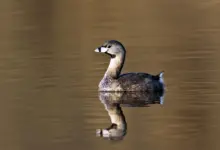
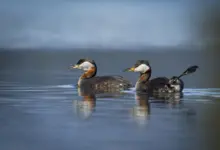
The Little Grebe is a small bird that can be difficult to see among the dense vegetation. However, it has an incredibly loud and memorable call. This call, which is described as a high-pitched trilling whine, can be heard across the water, particularly in the early mornings and evenings of spring and summer. This vocal display is important for pair bonding, territorial defence, and communication in colonies. They are easily identified by their distinctive calls, which are often heard before the birds are seen. Ornithological records show a Cornish Little Grebe interbreeding with a vagrant Pied Bill Grebe. This is incredibly rare and shows the vocal and behavioural flexibility that can be found in grebes.
Global Distribution and Range of the Little Grebe
Little Grebes are found on several continents, in a variety of climates. The species breeds in colonies of reeds, grasses and floating vegetation within densely vegetated freshwater ponds and lakes throughout Europe, Asia (including areas as far south as New Guinea) and Africa. The species is most commonly found in areas with abundant reeds and grasses. In winter, Little Grebes often move to open waters such as estuaries, coastal waters, lakes or reservoirs. This is especially true in areas where shallow freshwater bodies can freeze over during the coldest months. In climates with milder temperatures, birds can remain in their breeding territory all year round. The species can thrive in regions with seasonal variations because of the flexibility of habitat selection. The Little Grebe may be abundant in many parts of its range, but its dependency on healthy freshwater ecologies highlights the importance of wetland protection. According to RSPB, this species is well documented.
Breeding Behaviour and Nesting Habits in Aquatic Environments
The Little Grebe nests along the edge of the water, usually in dense vegetation, which provides both cover and support. The birds are always close to water because their legs are placed far back, which makes it easier for them to dive and swim, but also makes walking difficult. Nests are usually floating and are built of plant material. They may be anchored to reeds, aquatic plants or a combination. The clutch size can vary depending on the environmental conditions. The habit of Little Grebe parents to carry their young on their backs is one of the most adorable aspects of their parenting. The chicks are covered in black and white down. They often ride on the back of their parents while they forage nearby. This behaviour keeps the chicks safe and warm, but it also strengthens bonds within the family of grebes. The life cycle of the grebe is complex, from courtship displays that involve synchronised swimming and chick rearing to courtship displays. According to Audubon Society, this species is well documented.
Expert swimmers, divers, and foragers
Little Grebes are exceptional swimmers, using their powerful legs and toes with lobes for propulsion both above and beneath the surface. It can dive under the water without a ripple and resurface several meters away within seconds. It can hunt fish, aquatic insects and crustaceans with great precision. It is also good at hiding in vegetation, such as reeds. This allows it to avoid predators and remain hidden from observers. Little Grebes are often seen feeding alone or in pairs. However, they can gather in smaller groups when in habitats with rich vegetation. The Little Grebe’s diving behaviour is systematic. It involves a series of brief dives, interspersed by moments of watching floating. The Little Grebe is a fascinating species because it combines stealth and speed.
Seasonal movements and adaptations to changing environments
Little Grebes do not migrate long distances like other waterbirds, but they do have seasonal movements which help them adapt to changing environmental conditions. During winter, birds in colder areas move to coastal or open waters when small lakes and ponds freeze. In warmer climates, they are more sedentary. Their ability to utilise a broad range of freshwater environments, combined with their capacity to shift habitats as needed–has contributed to the species’ stability across its range. Human-caused changes in water quality, fragmentation of habitats, and pollution are still a challenge. Its sensitivity to disturbances in the environment makes it an important indicator species of freshwater ecosystem health.
The Little Grebe’s Ecological Importance in Freshwater Habitats
Little Grebes are both predators and prey in their freshwater ecosystems. They occupy a niche that is important for the food web. They maintain ecological balance by feeding on aquatic insects and small animals. By subtly influencing plant communities, their nesting habits contribute to the structure and composition of wetland plants. The presence of Little Grebes is often a sign of a biodiverse, healthy aquatic environment. These birds depend on clean water and abundant vegetation. The importance of grebes in ecosystems makes it necessary to protect lakes, ponds and wetlands, habitats that are home to countless wildlife species.
Conclusion – The Little Grebe is a symbol of freshwater biodiversity
The Little Grebe is a fascinating ambassador for freshwater ecosystems around the world. The Little Grebe is a delightful bird to observe because of its small size, charming looks, and fascinating behaviours. From its horse-like calling to its impressive diving abilities, it’s one of the best birds you will ever encounter. This species is a great example of adaptability, as it has a range that stretches across Europe, Asia and Africa. It still depends on freshwater habitats and wetlands. A Little Grebe’s ability to glide across a still pond, disappear into the depths or gently carry its chicks on its back is a subtle example of the wonders that nature has to offer. Little Grebes will continue to be a vital part of the biodiversity on our planet for many generations as conservation efforts protect and restore aquatic habitats.