Madagascar, the world’s fourth largest island, lies isolated in the Indian Ocean off the southeastern coast of Africa. This geographical seclusion has made it a hotspot for biodiversity, especially for birds. Home to over 280 bird species, Madagascar boasts an extraordinary level of endemism, with more than 100 species found nowhere else on Earth. Its diverse habitats—from dense rainforests and dry deciduous woodlands to spiny forests and coastal mangroves—support a remarkable avifauna that captivates birdwatchers, naturalists, and researchers alike.
Scientific Classification
The avifauna of Madagascar is taxonomically rich and varied, spanning multiple families, many of which include endemic genera and species. Birds native to the island belong to a wide range of orders including Passeriformes (perching birds), Accipitriformes (birds of prey), Strigiformes (owls), and others. Among the most notable are the couas, belonging to the genus Coua, a unique group of ground-dwelling cuckoos endemic to Madagascar. The island also harbors several endemic genera such as Newtonia, a group of small insectivorous warblers, and the Madagascar buzzard (Buteo brachypterus), a bird of prey unique to the island.
Many birds found on Madagascar have close relatives on the African mainland, yet have evolved distinct characteristics over millions of years of isolation. For example, the Madagascar fish-eagle (Haliaeetus vociferoides) is a critically endangered raptor closely related to other sea eagles but found only along the northwest coast of the island. Similarly, the Madagascar bee-eater (Merops superciliosus) is a brightly colored bird endemic to the island, distinguished from its continental cousins by subtle morphological traits.


Geographic Range & Distribution
Madagascar’s birds are distributed across a mosaic of habitats that vary dramatically from the humid eastern rainforests to the arid spiny forests of the south. The island’s interior and eastern slopes are dominated by dense rainforest where species like the blue coua (Coua caerulea) and the cryptic warbler (Cryptosylvicola randriansoloi) reside. These birds often prefer mid- to high-elevation forests, where humidity is high and the canopy dense.
In contrast, the western and southern regions host dry deciduous forests and spiny thickets, home to species such as the giant coua (Coua gigas) and the Madagascar buttonquail (Turnix nigricollis). These areas experience pronounced dry seasons, influencing bird behavior and breeding cycles. Coastal mangroves and wetlands support waterbirds like the Madagascar fish-eagle and various herons, egrets, and kingfishers.
Some species exhibit very restricted ranges; the Madagascar fish-eagle is found primarily along the northwest coast near Morondava, while the littoral rock-thrush (Monticola imerinus) inhabits the fragmented coastal forests of the southeast. Others, like the common newtonia (Newtonia brunneicauda), are more widespread across the island’s forests. Seasonal visitors such as Eleonora’s falcon (Falco eleonorae) migrate to Madagascar during the non-breeding season, adding to the island’s avian diversity.
Physical Description
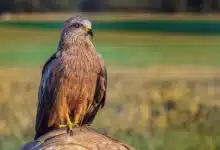
Madagascar’s birds vary widely in size, coloration, and morphology, reflecting their diverse ecological niches. Many endemic species are medium-sized passerines, typically ranging from 10 to 25 cm in length. For instance, the Madagascar buzzard measures about 45 to 55 cm in length with a wingspan of approximately 105 to 120 cm, making it one of the larger birds of prey on the island. It has dark brown upperparts and a spotted belly, blending well into forested habitats.
The couas, a hallmark of Madagascar’s avifauna, are generally medium-sized cuckoos around 25 to 40 cm long, with strong legs adapted for terrestrial movement. The blue coua stands out with its vibrant azure plumage and distinctive blue skin around the eyes. The giant coua, one of the largest couas, can reach 48 cm in length with a robust build and striking blue facial markings.
Other birds like the Madagascar bee-eater are more slender and agile, with bright green and blue plumage and long pointed wings ideal for aerial insect hunting. Owls such as the Madagascar barn owl (Tyto alba affinis) tend to be smaller, about 30 cm long, with mottled brown and cream feathers that provide excellent camouflage in forested environments.
Behavior & Diet
Madagascar’s birds exhibit a wide range of behaviors adapted to their habitats and diets. Many endemic species are insectivorous, foraging actively in the forest understory or canopy. For example, newtonias glean insects from leaves and branches, while bee-eaters catch flying insects on the wing, showcasing impressive aerial agility.
Birds of prey like the Madagascar buzzard and Madagascar fish-eagle are opportunistic hunters. The buzzard preys on small mammals, reptiles, and birds, while the fish-eagle specializes in catching fish and aquatic prey from rivers and coastal waters. The Madagascar baza (Aviceda madagascariensis), a medium-sized raptor, is known for its distinctive call and hawking behavior, catching insects and small vertebrates in flight.
Ground dwellers such as couas and buttonquails forage on the forest floor, feeding on insects, small invertebrates, and sometimes fruits and seeds. The Madagascar coucals (Centropus toulou) are large, secretive birds that hunt insects and small animals in dense vegetation. Many species are territorial and vocal, using calls to communicate and establish breeding territories. According to Audubon Society, this species is well documented.
Breeding & Reproduction
Breeding behaviors among Madagascar’s birds are as diverse as the species themselves, often influenced by the island’s distinct wet and dry seasons. Most species time their breeding to coincide with the rainy season when food availability peaks. Nests can vary from simple scrapes on the ground, as seen in buttonquails, to elaborate cup nests in trees constructed by couas and bee-eaters. According to RSPB, this species is well documented.
Madagascar’s couas typically lay two to three eggs per clutch and are known for their parental care, with both parents involved in feeding and protecting the chicks until they fledge at around three to four weeks. Raptors such as the Madagascar buzzard build large stick nests high in trees, where they lay one to two eggs. The chicks are altricial, requiring significant parental care before becoming independent.
Some species, like the Madagascar fish-eagle, are monogamous and maintain long-term pair bonds. They nest in tall trees near water, with breeding pairs fiercely defending their territories. The Madagascar buttonquail displays unique reproductive strategies, with females often more brightly colored and taking the lead in courtship displays, a reversal of typical avian roles.
Conservation Status
Madagascar’s birds face significant conservation challenges due to habitat loss, fragmentation, and invasive species. The island’s forests have been extensively cleared for agriculture, logging, and charcoal production, severely impacting many bird species’ habitats. According to the International Union for Conservation of Nature (IUCN), several endemic birds are classified as threatened or endangered.
The Madagascar fish-eagle is critically endangered, with an estimated population of fewer than 120 mature individuals remaining. Its survival is threatened by habitat degradation and human disturbance along coastal waterways. The Madagascar pochard (Aythya innotata), a diving duck once thought extinct, was rediscovered in the 2000s and is critically endangered due to wetland loss.
Other species such as the Madagascar pochard and the Benson’s rock-thrush (Monticola bensoni) are vulnerable due to restricted ranges and ongoing habitat pressures. Conservation efforts focus on protecting remaining forest tracts, restoring degraded habitats, and raising awareness among local communities. Protected areas like Ranomafana National Park and Masoala National Park serve as important refuges for many endemic birds.
Interesting Facts
Madagascar’s avifauna includes some truly fascinating species. The island is renowned for the couas, a group of cuckoos that have lost the brood parasitic behavior typical of many cuckoo species and instead raise their own young. Their ground-dwelling habits and striking colors make them a favorite among birdwatchers.
The Madagascar bee-eater is notable for its vibrant plumage and impressive aerial insect-catching techniques, often seen perched conspicuously before darting out to snatch prey mid-flight. Meanwhile, the Madagascar buttonquail is unique in its reversed sexual dimorphism, where females are more colorful and dominant during mating.
Another captivating bird is the crested drongo (Dicrurus forficatus), a glossy black passerine with a distinctive forked tail and raucous calls. It is known for its intelligence and mimicry, often imitating the calls of other birds. The island also hosts migratory visitors like Eleonora’s falcon, which undertakes an impressive annual journey from the Mediterranean to spend the non-breeding season in Madagascar.
Many of Madagascar’s birds play crucial roles in their ecosystems, from seed dispersal by fruit-eating species to controlling insect populations. Their evolutionary history offers valuable insights into biogeography and speciation, making Madagascar a living laboratory for ornithologists worldwide.
In summary, Madagascar’s birds form an extraordinary and diverse group that reflects the island’s unique ecological heritage. Their varied forms, behaviors, and adaptations continue to inspire fascination and underscore the importance of preserving this irreplaceable natural treasure.