Overview and Introduction
Cyanobacteria, often referred to as “blue-green algae,” are a diverse group of photosynthetic bacteria that play a crucial role in Earth’s ecosystems. Despite their common nickname, cyanobacteria are not algae at all; they are prokaryotic microorganisms belonging to the domain Bacteria. Their unique ability to perform oxygenic photosynthesis — a process that produces oxygen — is considered one of the most significant evolutionary developments in the history of life on Earth.
These ancient organisms date back more than 3.5 billion years and are credited with transforming the planet’s early atmosphere by introducing oxygen, which paved the way for aerobic life forms. Today, cyanobacteria are found in an astonishing variety of habitats, ranging from freshwater lakes and oceans to deserts and hot springs. Their ecological roles are as varied as their habitats, including serving as primary producers, nitrogen fixers, and symbiotic partners.
Physical Characteristics
Cyanobacteria exhibit a wide range of morphological forms, making them a morphologically heterogeneous group of bacteria. They can be broadly categorized into five types based on their structure and reproductive methods:
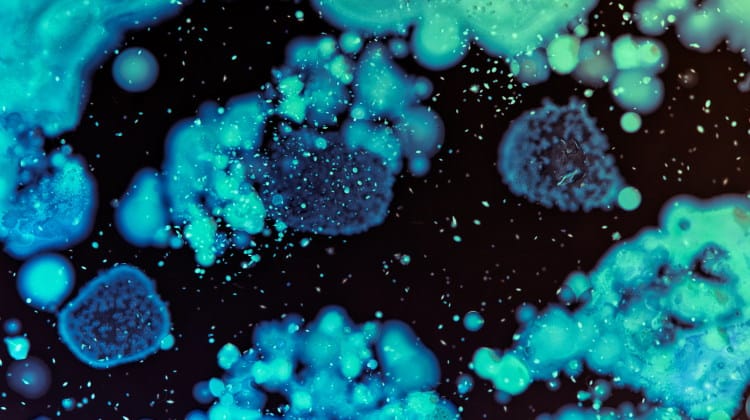

- Unicellular forms: These single-celled cyanobacteria may reproduce through binary fission (simple cell division) or multiple fission, the latter often resulting in colonial groupings.
- Filamentous forms: These are chains of cells linked together to form threads or filaments. Filamentous cyanobacteria may be branching or non-branching.
- Heterocyst-bearing types: Among the non-branching filaments, some possess specialized nitrogen-fixing cells called heterocysts, which are essential for converting atmospheric nitrogen into bioavailable forms.
The pigmentation of cyanobacteria is distinctive. Their green coloration arises from chlorophyll a, which is similar to the chlorophyll found in plants. The characteristic “blue-green” color comes from an accessory pigment called phycocyanin, which absorbs light energy in different wavelengths. Some cyanobacteria also contain another pigment called phycoerythrin, which imparts a reddish or brownish hue to the cells. These pigments enable cyanobacteria to absorb a wide range of light wavelengths, optimizing photosynthesis even in low-light environments.
Behavior
Cyanobacteria exhibit fascinating behaviors that allow them to survive in diverse and sometimes extreme conditions. Many species form dense mats or biofilms on surfaces in aquatic environments, which helps them stabilize their position and optimize light capture. In response to environmental stressors such as desiccation, extreme temperatures, or nutrient scarcity, cyanobacteria can enter dormant states, especially in desert habitats where water is scarce.
Some filamentous cyanobacteria display gliding motility, allowing them to move slowly across surfaces without flagella. This movement helps them position themselves advantageously for light exposure or nutrient access. Additionally, cyanobacteria can regulate their buoyancy in water columns by producing gas vesicles, enabling them to float closer to the surface for optimal sunlight.
Habitat and Distribution
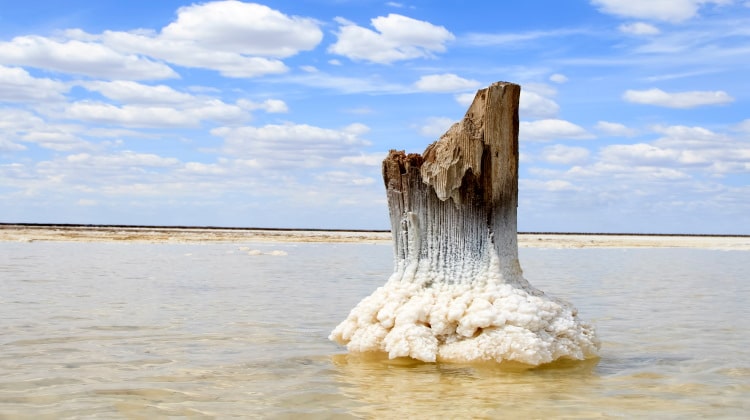
Cyanobacteria are among the most widely distributed organisms on Earth, inhabiting virtually every ecosystem. Their adaptability allows them to thrive in environments ranging from freshwater ponds and lakes to marine ecosystems, hot springs, soils, and even extreme habitats such as deserts and polar regions.
In aquatic environments, cyanobacteria often form extensive blooms or thick mats on the surface of water bodies, especially under conditions of high nutrient availability and warm temperatures. These blooms can sometimes produce toxins harmful to other organisms, including humans.
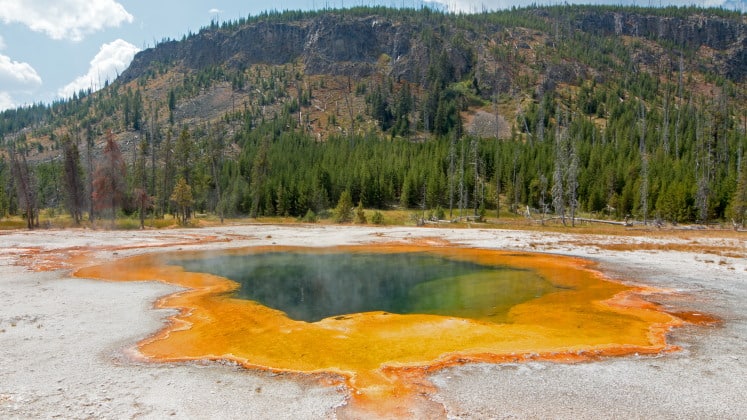
Remarkably, cyanobacteria are also major colonizers of extreme environments. For instance, in hot springs, they are often the dominant photosynthetic organisms, tolerating high temperatures and low pH values where most plants and algae cannot survive. In deserts, cyanobacteria inhabit biological soil crusts, where they remain dormant during dry periods and rapidly resume activity after rainfall.
In the ocean, cyanobacteria such as Prochlorococcus and Synechococcus are among the most abundant photosynthetic organisms, contributing significantly to global primary production. They thrive in nutrient-poor open ocean waters, playing a vital role in carbon cycling.
Diet and Feeding
Cyanobacteria are autotrophic organisms, meaning they produce their own food through photosynthesis. Using chlorophyll a and accessory pigments like phycocyanin and phycoerythrin, they capture sunlight and convert carbon dioxide and water into organic molecules and oxygen. This process forms the base of many aquatic food webs, as cyanobacteria synthesize organic matter that feeds a wide range of heterotrophic organisms.
Some cyanobacteria also fix atmospheric nitrogen, converting inert nitrogen gas (N₂) into ammonia, a form usable by plants and other organisms. This nitrogen fixation occurs in specialized cells called heterocysts, which create a low-oxygen environment necessary for the activity of nitrogenase enzymes. This ability makes cyanobacteria invaluable contributors to nutrient cycling, especially in nutrient-poor environments.
Reproduction
Cyanobacteria reproduce primarily through asexual mechanisms. The most common method is binary fission, where a single cell divides into two identical daughter cells. In some unicellular species, multiple fission occurs, producing colonies of cells.
Filamentous cyanobacteria reproduce by fragmentation, where filaments break into smaller pieces, each capable of growing into a new filament. Additionally, some filamentous species produce specialized reproductive cells called akinetes. Akinetes are thick-walled spores that can withstand harsh conditions like cold or drought, germinating when favorable conditions return.
Sexual reproduction is absent in cyanobacteria, but horizontal gene transfer contributes to genetic diversity, enabling them to adapt swiftly to environmental changes.
Ecological Role
Cyanobacteria are fundamental players in Earth’s ecosystems, acting as primary producers and key contributors to nutrient cycling. In many freshwater and marine environments, they form the base of the food web by converting sunlight into organic matter through photosynthesis.
Their nitrogen-fixing ability is especially important in ecosystems where nitrogen is a limiting nutrient. By converting atmospheric nitrogen into biologically usable forms, cyanobacteria enrich soils and waters, supporting the growth of plants and other organisms.
Moreover, cyanobacteria engage in various symbiotic relationships. Notably, they form partnerships with fungi to create lichens — composite organisms that colonize harsh environments such as bare rock surfaces. Cyanobacteria also associate with plants like liverworts, ferns, and cycads, supplying them with fixed nitrogen and enhancing their survival.
Cyanobacteria also play a vital role in unique deep-sea ecosystems. Around hydrothermal vents — openings in the Earth’s crust where heated, mineral-rich water emerges — certain bacteria, including cyanobacteria relatives, form the base of food chains independent of sunlight. These chemosynthetic bacteria oxidize sulfur compounds, providing energy for unusual communities of worms, clams, and other invertebrates.
Conservation Status
While cyanobacteria are generally abundant and widespread, some ecosystems face challenges related to their overgrowth or decline. Cyanobacterial blooms, often fueled by nutrient pollution from agricultural runoff and wastewater, can lead to harmful algal blooms (HABs). These blooms produce cyanotoxins that threaten aquatic life, domestic animals, and human health. Managing nutrient inputs and monitoring water quality are essential to controlling these blooms.
Conversely, some cyanobacterial species integral to symbioses or specialized habitats may be vulnerable to environmental changes such as climate warming, acidification, and habitat destruction. Protecting these ecosystems ensures the continued ecological functions cyanobacteria provide.
Interesting Facts
- Ancient oxygen producers: Cyanobacteria are credited with the Great Oxygenation Event approximately 2.4 billion years ago, which dramatically increased Earth’s atmospheric oxygen and enabled the evolution of aerobic life.
- Biological soil crusts: In deserts, cyanobacteria are key components of soil crusts that prevent erosion, increase soil fertility, and help retain moisture.
- Toxic blooms: Some cyanobacteria produce potent toxins like microcystins and anatoxins, which can contaminate drinking water and pose risks to wildlife and humans.
- Symbiotic lichens: Lichens are partnerships between fungi and cyanobacteria (or green algae), capable of surviving in extreme environments, from arctic tundra to desert rocks.
- Biotechnological uses: Cyanobacteria are studied for biofuel production, bioremediation, and as natural sources of pharmaceuticals and pigments.
- Colorful diversity: The range of pigments in cyanobacteria allows them to inhabit various light environments, including deep water and shaded areas.