Overview: Understanding Bacterial Flora and the Human Body
When most people think of bacteria, they often associate these microscopic organisms with disease and infections. However, this perception only captures a tiny fraction of the bacterial world. In reality, the majority of bacterial species are harmless or even beneficial to humans. The term bacterial flora refers to the vast community of bacteria that live in and on the human body, creating a complex and dynamic ecosystem. Far from being just invaders or pathogens, these bacteria coexist with us, contributing to our health and well-being in numerous ways.
This article explores the fascinating world of human bacterial flora, examining their physical characteristics, behavior, habitat, diet, reproduction, ecological roles, and unique facts. By understanding these bacterial communities, we can appreciate how our bodies serve as rich environments for microbial life.
Physical Characteristics of Bacterial Flora
Bacteria are single-celled microorganisms that vary widely in shape, size, and structure. The bacterial flora residing in the human body predominantly consists of several shapes: cocci (spherical), bacilli (rod-shaped), and spirilla (spiral-shaped). Their sizes generally range from 0.5 to 5 micrometers in length, making them invisible to the naked eye but extraordinarily abundant.
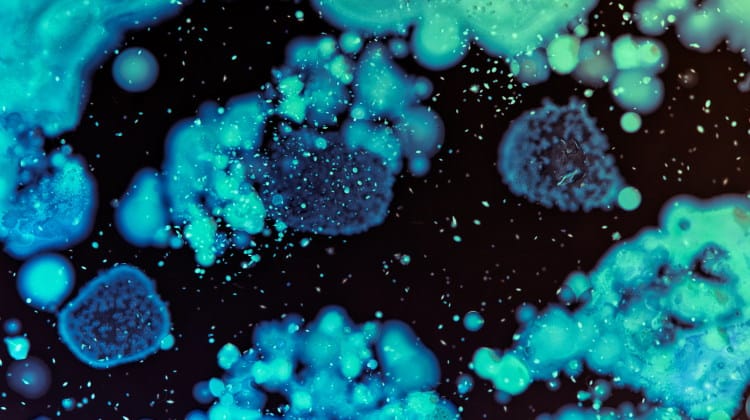


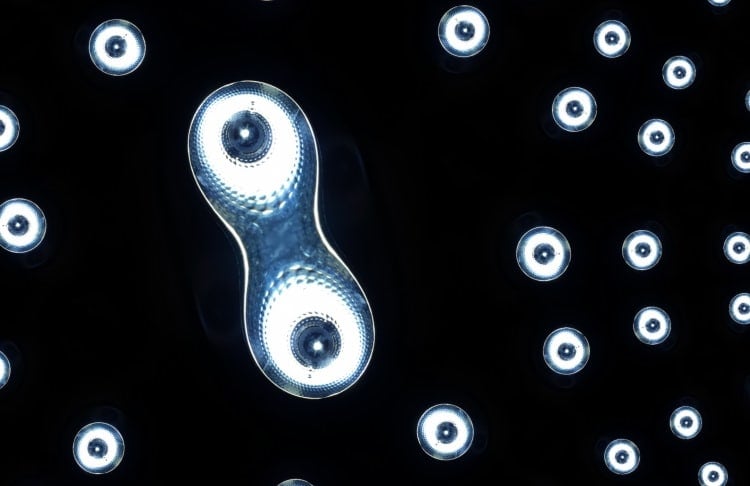

Most bacteria in human flora are Gram-positive or Gram-negative, classifications based on the structure of their cell walls which influence their staining properties and susceptibility to antibiotics. For example, Staphylococcus and Streptococcus are Gram-positive cocci commonly found on the skin and in the mouth, while Escherichia coli is a Gram-negative bacillus abundant in the gut.
Some bacteria possess specialized structures such as flagella for movement, pili for attachment, and capsules that protect them from the host immune system. These adaptations help them colonize specific niches within the human body efficiently.
Behavior and Interaction with the Human Host
The bacterial flora exhibits diverse behaviors, ranging from passive coexistence to active participation in bodily functions. Most of these bacteria are commensal, meaning they benefit from living in the human body without causing harm. Many are mutualistic, providing benefits in return for nutrients and shelter.
For instance, gut bacteria like Bifidobacterium and Lactobacillus help digest complex carbohydrates, synthesize vitamins such as vitamin K and some B vitamins, and inhibit the growth of pathogenic bacteria by competing for resources. Skin flora such as Propionibacterium acnes helps maintain skin health by producing antimicrobial substances and regulating pH.
Some bacteria can form biofilms, protective communities that adhere to surfaces like the mucous membranes of the mouth or intestines. This behavior enhances their survival and resistance to environmental stresses.
Habitat and Distribution within the Human Body
The human body provides a variety of habitats for bacterial flora, each with unique environmental conditions like moisture, pH, oxygen levels, and nutrient availability. The flora can be broadly divided into two categories based on their location:
Internal Flora
These bacteria reside inside the body, primarily in the gastrointestinal tract (GI tract), respiratory tract, and genitourinary tract. The GI tract, especially the colon, hosts the largest and most diverse bacterial population, with tens of trillions of bacteria spanning thousands of species. This internal environment offers a stable temperature (~37°C), constant moisture, and a rich, renewable supply of nutrients from digested food.
The mouth also harbors a diverse microbial community, including species such as Neisseria, Fusobacterium, and various Streptococcus species. These microbes colonize the teeth, tongue, cheeks, and tonsils, forming complex biofilms commonly known as dental plaque.
External Flora
External flora live on the surface of the body, such as the skin. The skin flora is generally less dense but still comprises numerous species like Staphylococcus, Corynebacterium, and Micrococcus. These bacteria inhabit different microenvironments on the skin, ranging from oily regions like the forehead to moist areas such as the armpits and dry areas like the forearms. Each skin region supports a unique bacterial community adapted to its specific conditions.
Diet and Feeding Habits of Bacterial Flora
Bacterial flora obtains nutrients primarily from the host’s diet and bodily secretions. In the gut, bacteria feed on undigested food residues, mucus, and epithelial cells shed from the intestinal lining. Many gut bacteria specialize in fermenting complex carbohydrates such as dietary fiber, producing short-chain fatty acids (SCFAs) like acetate, propionate, and butyrate, which have beneficial effects on human health.
Oral bacteria metabolize sugars and proteins found in saliva and food debris. Their metabolic activities can contribute to oral health or, conversely, dental diseases such as caries and periodontal disease if the balance of species is disrupted.
Skin bacteria feed on sweat, sebum (skin oils), and dead skin cells. For example, Propionibacterium acnes metabolizes sebum lipids, which can sometimes contribute to acne development if bacterial growth becomes excessive.
Reproduction and Life Cycle
Bacteria reproduce primarily through binary fission, a process in which a single bacterial cell divides into two identical daughter cells. This method allows rapid population growth under favorable conditions. Some bacteria can double their population in as little as 20 minutes, although in the human body, growth rates are often slower due to nutrient availability and competition.
Some bacterial species can form spores—dormant and highly resistant structures—to survive unfavorable conditions. However, spore formation is rare among the typical human flora compared to environmental bacteria.
The bacterial populations in the human body are dynamic, constantly influenced by factors such as diet, hygiene, antibiotics, illness, and age. These factors can shift the balance between different bacterial species, sometimes leading to dysbiosis, an imbalance associated with diseases.
Ecological Role of Human Bacterial Flora
The bacterial flora plays a vital ecological role in maintaining human health and homeostasis. Key functions include:
- Immune system development: Early colonization by bacteria helps train and regulate the immune system, promoting tolerance to harmless microbes and defense against pathogens.
- Pathogen defense: Normal flora competes with harmful bacteria for nutrients and attachment sites, producing antimicrobial substances that inhibit pathogen growth.
- Metabolic contributions: Gut bacteria synthesize essential vitamins, aid digestion, and influence metabolic processes that affect energy balance and weight.
- Barrier maintenance: Skin and mucosal bacteria contribute to the integrity and function of physical barriers, preventing invasion by harmful microbes.
Disruption of normal bacterial flora can have profound health consequences, including increased susceptibility to infections, autoimmune disorders, allergies, and gastrointestinal diseases like inflammatory bowel disease (IBD).
Conservation Status and Human Impact
Unlike plants and animals, bacterial flora is not assessed for conservation status in the traditional sense. However, modern lifestyle factors significantly impact this microbial ecosystem. Overuse of antibiotics, excessive hygiene practices, dietary changes, and urbanization have been linked to reductions in bacterial diversity and alterations in community composition, sometimes referred to as the “disappearing microbiota” hypothesis.
Maintaining a healthy microbial balance is increasingly recognized as crucial for overall health. Practices such as consuming probiotics, prebiotics, and fermented foods, as well as mindful antibiotic use, can help preserve and restore beneficial bacterial populations.
Interesting Facts about Human Bacterial Flora
- There are approximately 39 trillion bacterial cells in the human body, roughly equal to the number of human cells, indicating that we are as much bacterial as human.
- The human gut alone contains over 1,000 different bacterial species, many yet to be fully studied or understood.
- Newborns acquire their initial bacterial flora from their mother during vaginal birth, while cesarean deliveries lead to different microbial colonization patterns.
- Some bacteria in the gut can influence mood and behavior by producing neurotransmitters, leading to the concept of the “gut-brain axis.”
- Oral bacteria form the first line of defense against respiratory pathogens and play a crucial role in oral and systemic health.
- Skin bacteria can protect against UV radiation damage by producing protective pigments and modulating local immune responses.