




The Madagascar Heron is also known as Humblot’s Heron. (Ardea Humbloti), And it’s one of the rarest and majestic herons on the planet. This elusive bird is endemic to Madagascar, with smaller populations on the Comoro Islands or Mayotte. It represents the beauty as well as the fragility of island ecologies. The Madagascar Heron, with its majestic stature, solemn elegance, and haunting song, is an icon for wetland biodiversity. The species, however, is under threat, as it faces threats from habitat degradation and hunting.
Taxonomy, Discovery and the Legacy of Ardea Humbloti
It was named after the French naturalist Leon Humblot, who first described it in 1888. Humblot’s Heron is a member species of the genus Ardea, which includes several large herons. It shares many similarities with the more common Grey Heron( Ardea Cinerea) but can be distinguished by its darker plumage. It has fascinated ornithologists for years, but the public is largely unaware. This fact only increases the urgency to conserve it.
Natural habitat: Wetland Ecosystems, and Island Shores
The Madagascar Heron has a strong connection to the lakes, wetlands and coastal areas in its native range. It is found in Madagascar primarily along the North and West Coasts and Lake Alaotra. This lake is the largest in the country, and it’s a biodiversity hotspot. It is found in freshwater wetlands and floodplains. These areas are used for nesting and feeding. Its presence on the Comoros and Mayotte increases its ecological importance, since it is important in controlling amphibian and fish populations and maintaining ecosystem balance.


Elegance in Feathers: Physical Appearance
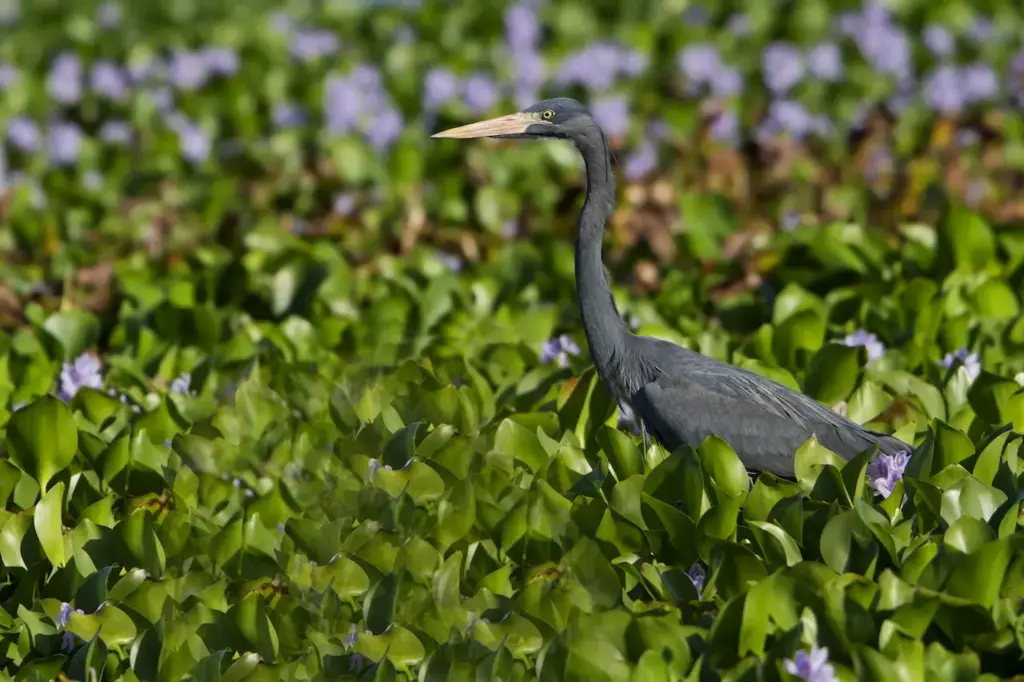
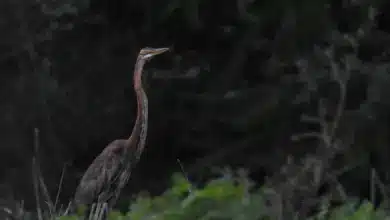
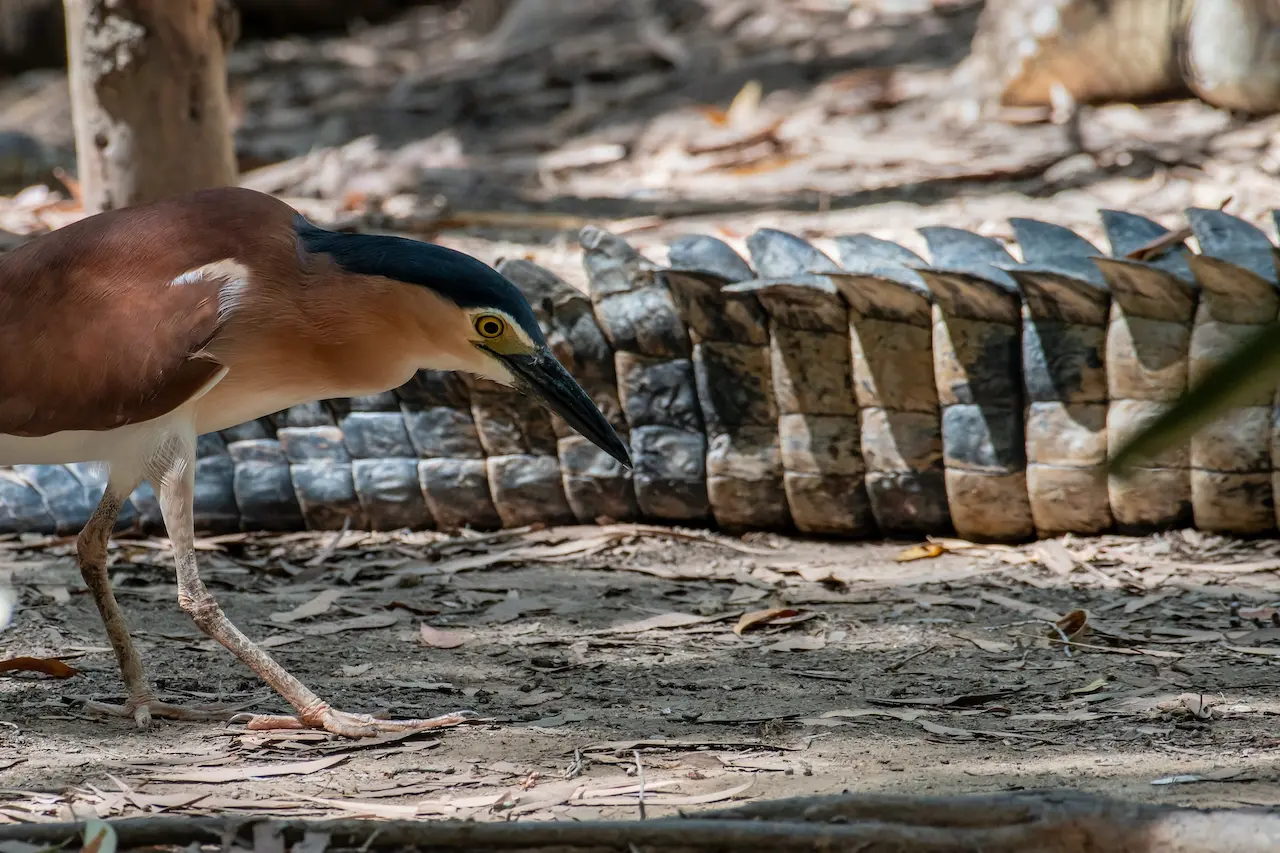
The Madagascar Heron is a striking and distinctive bird. It can reach a height of 1 meter (3 feet), making it the tallest heron in its range. The Grey Heron is distinguished by its lighter grey plumage. Its elegant silhouette is completed by a distinct dark crown and yellowish bills. During breeding season, the bird develops feathers on its chest and back. This gives it a royal appearance. These features make the bird visually stunning, but they also help in courtship displays.
Flight and Behaviour: Silent and Solitary Observers
Madagascar Herons, unlike some waders that are social in nature, are primarily solo birds. Usually seen in pairs or alone, they quietly feed along the edge of bodies of water. They hunt stealthily, standing still or moving slowly along shallow water before striking with lightning speed. They retract their necks in a heron-like fashion. Their wide wings beat powerfully while they glide across marshes and rivers. Their call is deep and resonant – a harsh croak which echoes through their habitats.
Carnivorous and Opportunistic Diets and Feeding Habits
The Madagascar Heron eats primarily fish, which it catches using its long, pointed bill in shallow water. It is an opportunistic predator, also feeding on amphibians and aquatic insects. Crustaceans are another prey item. It hunts in the morning and late afternoon when its prey are most active. Its calm demeanour, combined with its exceptional patience, makes it an effective predator. According to Audubon Society, this species is well documented.
Breeding and Reproduction: rare and seasonal events
Humblot’s Heron breeding behaviour is not yet fully understood because of the species’ rarity. Like other large herons, it is thought to breed seasonally. Nesting occurs most often during the rainy season when food resources are abundant. The nests can be found in tall reeds and trees or on isolated bushes or cliffs near water. The nests are flat and large platforms made from reeds and sticks. They can hold one or more eggs. According to RSPB, this species is well documented.
Chick Rearing and Egg Laying
The clutch size ranges from one to three eggs. Both parents are involved in the incubation of the eggs as well as the feeding of the chicks. The young are altricial. This means they hatch helpless and need constant care. Adults regurgitate partially digested food into the nest. During the fledging phase, which can last for several weeks and during which chicks learn to feed themselves, they develop their flight feathers. due to the small clutch size and the extended care period can have a significant impact the overall population.
Population Status of a Species at Risk
IUCN Red List classifies the Madagascar Heron, and with good reason. Less than 3,000 individuals may still be in the wild. The actual number could be closer to 1,000. The steep population decline has been occurring over the last few decades, and it continues to this day due to a number of human-induced threats. The species is at risk of extinction if immediate and sustained conservation measures are not taken.
Hunting and habitat loss are the primary threats to wildlife.
Hunting is one of the greatest threats to the Madagascar Heron. In rural areas, birds are killed for their flesh or feathers or out of sheer fear or misunderstanding. Habitat destruction also occurs in Madagascar. Wetlands in Madagascar are being drained to make way for urban development, agriculture, and charcoal production. Deforestation and Invasive species degrade the fragile ecosystems on which the herons rely. Herons are forced to fragment their territories as wetlands disappear and food sources diminish.
Conservation Efforts: A Race Against Time
Many conservation groups, including local NGOs and international organisations like BirdLife International, are working to protect Madagascar Herons. Conservation efforts are focused on habitat rehabilitation, education of the public and advocacy for policy. Lake Alaotra is one of the most important habitats for birds. It has been designated as a Ramsar Wetland. Various community-led initiatives are being undertaken to protect the shores of this lake from further degradation. monitoring populations is also being done, breeding programs are being established, and hunting is being reduced through education.
Community Engagement is Important
In Madagascar, one of the most important lessons is that local community participation is crucial. The Madagascar Heron is found in many economically depressed regions, where residents are heavily dependent on natural resources to survive. Conservation strategies must address local needs and provide viable alternatives. Eco-tourism, sustainable farming, and wetland management programs have proven to be effective in creating solutions that benefit both people and wildlife.
Why the Madagascar Heron is Important
The Madagascar Heron is more than a beautiful bird. It is also an important species for its ecosystem. It helps to maintain a healthy food web by preying on aquatic organisms and fish. Its presence also serves as an indicator for the health of wetlands. The loss of this species could signal deeper environmental problems that may affect many other plants and animals. It’s not just about protecting a species, but also about the future of ecosystems.
Ecotourism and awareness
The potential for ecotourism in Madagascar is increasing, and charismatic animals like the Madagascar Heron could play a key role. Birdwatchers travel from all over the world to see rare, endemic species. The Humblot’s Heron tops many birding checklists. Local communities can benefit from economic incentives by promoting sustainable tourism. An awareness campaign can also be used in schools, community centres, and media outlets to promote a greater understanding of the unique wildlife of the country.
A call to action: Global Responsibility
The Madagascar Heron falls under the jurisdiction of the countries that are within its range. However, the entire global community has an important role to play. The loss of biodiversity is a global issue. Supporting conservation efforts in biodiversity hotspots such as Madagascar should be a top priority for international funding agencies. Collaborations between local governments, scientists and international partners are a great way to create a lasting and comprehensive impact.
Hope for Humblot Heron
The Madagascar Heron represents both the magnificence and vulnerability of island biodiversity. It deserves to live in the wild because of its quiet strength and ecological importance. It will be a long road, but with community support, targeted conservation measures, and global assistance, it’s still possible to restore its habitat. It is time to act, not only to save the bird but also to preserve the natural heritage of Madagascar.