The Lord Howe Starling (Aplonis fuscus hullianus) was a distinctive subspecies of starling once endemic to Lord Howe Island, a small volcanic island in the Tasman Sea, part of New South Wales, Australia. Belonging to the starling family Sturnidae, this bird is no longer extant, having been driven to extinction in the early 20th century. The Lord Howe Starling was one of two recognized subspecies of the Tasman Starling (Aplonis fusca), with the other being the Norfolk Starling, which also is extinct. The loss of the Lord Howe Starling represents a significant chapter in island ecology and conservation, highlighting the vulnerability of island-endemic species to introduced predators. This article explores the taxonomy, distribution, physical characteristics, behavior, breeding, conservation status, and fascinating facts about this vanished bird.
Scientific Classification
The Lord Howe Starling is classified within the family Sturnidae, which comprises a diverse group of passerine birds commonly known as starlings. Its full scientific name is Aplonis fuscus hullianus, identifying it as a subspecies of the Tasman Starling (Aplonis fusca). The genus Aplonis includes a variety of starlings native to the Australasian region and the South Pacific islands, many of which are island endemics. The Tasman Starling species itself historically had two subspecies: the Norfolk Starling (Aplonis fusca fusca) and the Lord Howe Starling (Aplonis fuscus hullianus). Both subspecies are now extinct. The Lord Howe Starling was first described in the late 19th century, with its subspecific name “hullianus” honoring a figure associated with its discovery or study. As a member of Sturnidae, it shared many traits common to starlings, such as a generally robust body, strong feet, and an omnivorous diet, though its island isolation led to some unique adaptations.
Geographic Range & Distribution
The Lord Howe Starling was endemic exclusively to Lord Howe Island, a remote oceanic island situated approximately 600 kilometers east of the Australian mainland in the Tasman Sea. The island, roughly 10 kilometers long and 2 kilometers wide, is volcanic in origin and rises sharply from the surrounding deep ocean waters. Its isolated location fostered a high degree of endemism among its flora and fauna, including several bird species found nowhere else on Earth. The Lord Howe Starling inhabited the island’s subtropical rainforest and dense woodland habitats, which provided abundant food resources and nesting sites. Prior to human settlement and the introduction of invasive species, it was a common and widespread resident of the island’s forested regions. Its range was thus restricted entirely to this single island, making it highly vulnerable to environmental changes and disturbances. The arrival of humans and introduced predators in the early 20th century drastically altered the island’s ecological balance, ultimately leading to the starling’s extinction by 1919.


Physical Description
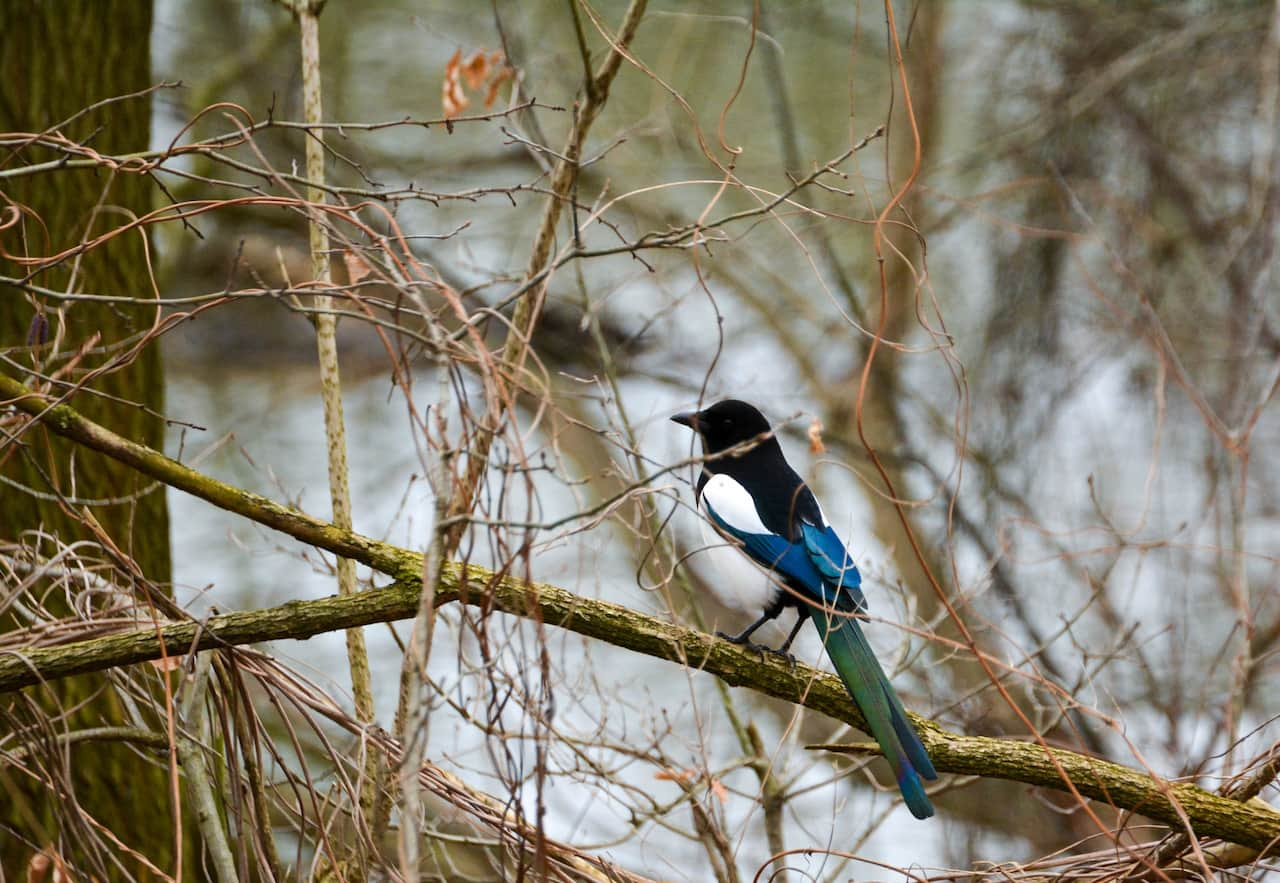
The Lord Howe Starling was a small to medium-sized bird measuring approximately 18 centimeters in length. It exhibited striking plumage characterized by a combination of glossy and muted tones. The head, neck, mantle, and throat displayed a glossy metallic green sheen, which contrasted vividly with the slaty grey color of the back. The rump and underparts were predominantly grey, while the tail feathers were grey with brownish tips. The wings had a rich brown coloration, adding to the bird’s overall subtle yet elegant appearance. One of its most distinctive features was its bright orange-red iris, which earned the bird the local nickname “Red-eyes” among the islanders. This eye coloration was unusual among starlings and served as a key identifying trait. The bird’s bill was relatively short and dark, adapted for its omnivorous diet. The legs and feet were strong and well-suited for perching and foraging within the dense undergrowth and forest canopy. The Lord Howe Starling’s plumage and size closely resembled its mainland and other island relatives, but with subtle differences shaped by its island habitat.
Behavior & Diet
The Lord Howe Starling was primarily a forest-dwelling bird, often observed foraging in pairs rather than large flocks. Its behavior was relatively secretive and shy, making it less conspicuous than some mainland starling species. The bird’s diet was omnivorous, consisting of a varied mix of fruits, insects, and other small invertebrates found in the island’s forests. It likely fed on berries, seeds, and occasional small reptiles or amphibians, utilizing its agile feet and strong bill to probe bark and foliage. The Lord Howe Starling was known locally as “Cudgimeruk,” a name derived from its distinctive, varied calls that carried through the forest. These vocalizations were an important part of its social behavior, used to maintain pair bonds and defend territories. Like other starlings, it was an opportunistic feeder, capable of exploiting a range of food sources depending on availability. This dietary flexibility was common among island birds but ultimately insufficient to protect the species from the catastrophic effects of invasive species. According to BirdLife International, this species is well documented.
Breeding & Reproduction
Breeding habits of the Lord Howe Starling followed typical patterns observed in related starling species but adapted to the island environment. The birds nested primarily in natural cavities, favoring hollows in dead trees or large tree ferns which provided shelter and protection from the elements and predators. The nesting period involved the laying of a clutch consisting of four to five eggs. These eggs were distinctive, exhibiting a bluish base color with reddish blotches, providing some camouflage against predators. Both parents participated in incubating the eggs and feeding the chicks once hatched. The incubation period likely ranged between two to three weeks, followed by a fledging period during which juveniles remained dependent on their parents. Nesting pairs were territorial during the breeding season, defending their chosen nesting sites aggressively against intruders. The island’s relatively stable climate and absence of native mammalian predators prior to human arrival supported successful breeding cycles, allowing the Lord Howe Starling to maintain stable populations before the catastrophic introduction of black rats. According to RSPB, this species is well documented.
Conservation Status
The Lord Howe Starling is classified as extinct by the International Union for Conservation of Nature (IUCN). Its extinction is closely tied to the events of June 1918 when the SS Makambo, a cargo vessel, ran aground on Lord Howe Island. The shipwreck inadvertently introduced invasive black rats (Rattus rattus) to the island ecosystem. These rats rapidly proliferated, preying on native bird eggs, chicks, and competing with native species for food. Within two years, the black rat invasion caused the extinction of approximately 40% of Lord Howe Island’s endemic bird species, including the Lord Howe Starling, the Lord Howe Fantail (Rhipidura fuliginosa cervina), the Lord Howe Gerygone (Gerygone insularis), and the Robust White-eye (Zosterops strenuus). The last confirmed sightings of the Lord Howe Starling occurred around 1919, after which it was presumed extinct. Conservation efforts on Lord Howe Island today focus heavily on invasive species eradication and habitat restoration to protect the remaining unique biodiversity, but sadly, the Lord Howe Starling remains lost to history.
Interesting Facts
The Lord Howe Starling was affectionately nicknamed “Red-eyes” by local island residents due to its vibrant orange-red irises, a feature that made it stand out in the dense forest habitat. The indigenous name “Cudgimeruk” reflects the bird’s unique and melodious calls, which played an important role in its social interactions. Despite its extinction, the Lord Howe Starling offers valuable lessons about island ecology and the devastating impact invasive species can have on isolated ecosystems. Its extinction occurred within a remarkably short time frame following the introduction of black rats, underscoring how quickly fragile island environments can be disrupted. The Lord Howe Island ecosystem, once home to this starling and numerous other endemic species, is now the focus of significant conservation and restoration efforts, including the successful eradication of black rats in 2019. These efforts aim to prevent further losses and may one day enable the re-establishment of some avian species through translocation or captive breeding, though the Lord Howe Starling itself is unlikely to be resurrected. The story of the Lord Howe Starling remains a poignant reminder of the delicate balance of island ecosystems and the importance of biosecurity in conservation.
In conclusion, the Lord Howe Starling was a unique island subspecies that exemplified the rich biodiversity of Lord Howe Island before its tragic extinction. Its glossy green and grey plumage, striking red eyes, and forest-dwelling habits made it a distinctive member of the island’s avifauna. The bird’s rapid disappearance following the black rat invasion highlights the vulnerability of island species to introduced predators. Today, the memory of the Lord Howe Starling serves as a powerful call for the protection of island ecosystems worldwide and the need to safeguard endemic species from the threats of habitat loss and invasive species.