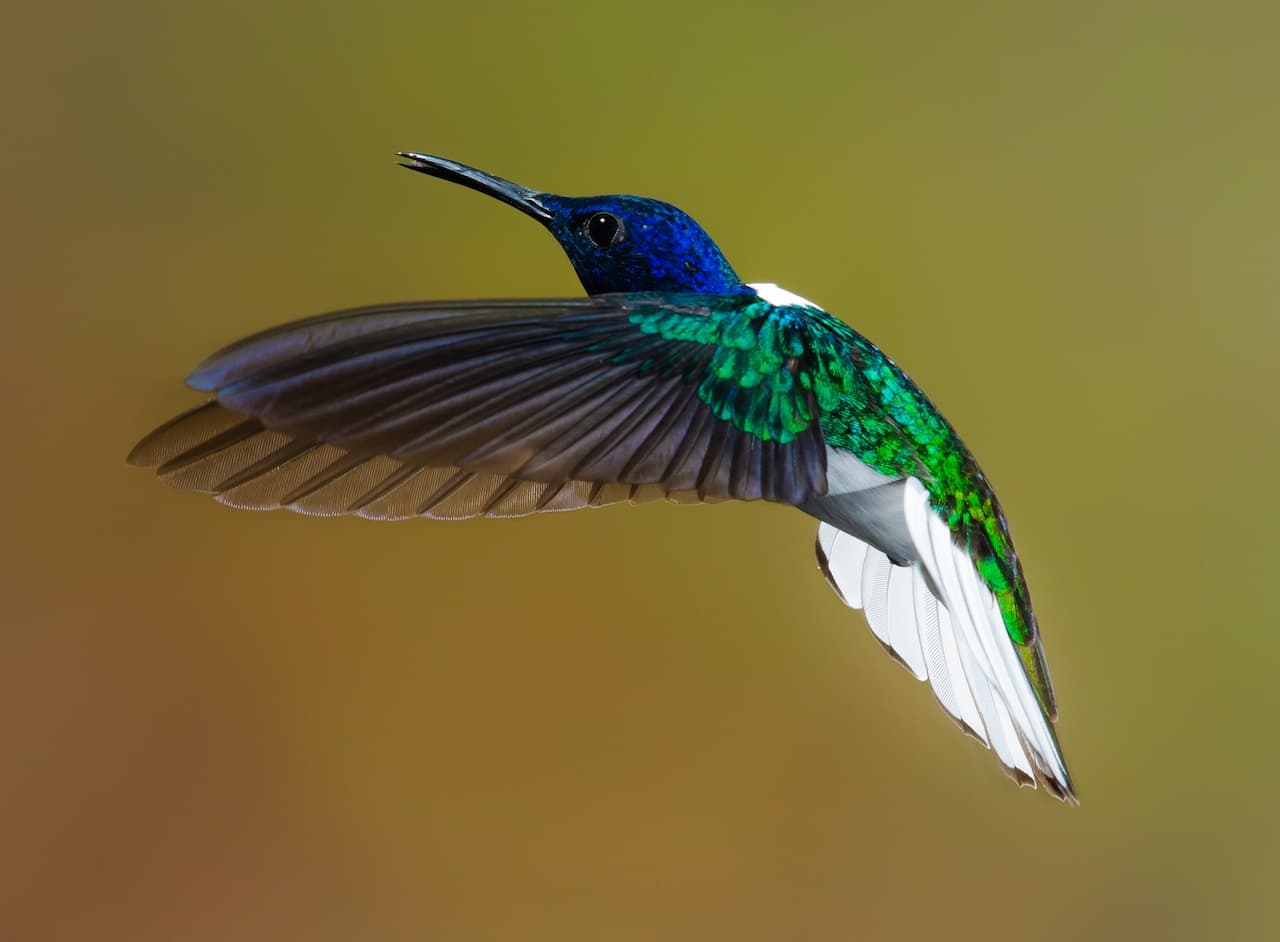
Hummingbirds are among the most captivating and vibrant birds found across the Americas, renowned for their iridescent feathers and remarkable flying abilities. While Alaska is not typically known as prime hummingbird territory, several species do occur in the state, particularly during the warmer months. These tiny birds, with their rapid wing beats and bold personalities, offer a fascinating glimpse into the resilience and adaptability of Hummingbirds in northern climates. Understanding the hummingbird species found in Alaska provides valuable insight into their biology, behavior, and the unique challenges they face in this subarctic environment.
Scientific Classification
Hummingbirds belong to the family Trochilidae, a diverse group of small, nectar-feeding birds endemic to the Americas. They are placed within the order Apodiformes, which also includes swifts. The species recorded in Alaska primarily belong to the genus Selasphorus, which includes several fiery-throated hummingbirds known for their vibrant plumage and impressive migratory behavior.
The most commonly observed hummingbird in Alaska is the Rufous Hummingbird (Selasphorus rufus). Other species that occasionally appear include the Ruby-throated Hummingbird (Archilochus colubris) and the Anna’s Hummingbird (Calypte anna), though these species are much rarer and often appear as vagrants or in the southernmost parts of the state. Each species exhibits unique physical and behavioral traits that help them survive in Alaska’s challenging environment.






Geographic Range & Distribution
Alaska represents the northernmost extent of hummingbird distribution in North America. The Rufous Hummingbird is the most regularly encountered species and breeds primarily in southeastern Alaska, extending southwards through the Pacific Northwest to the southwestern United States. This species undertakes one of the longest migrations of any hummingbird, traveling from Mexico to Alaska each spring. They typically arrive in Alaska in early May and remain until late September or early October, depending on weather conditions.
The Ruby-throated Hummingbird, native to eastern North America, is a rare visitor to Alaska. Sightings are sporadic and typically involve migrating males that stray off course during their spring or fall migrations. These vagrants have been recorded mostly in southern regions of Alaska, although their presence remains uncommon.
Anna’s Hummingbird has become increasingly observed in southern coastal areas of Alaska, particularly around Juneau and the southeastern panhandle. This species, originally native to the western United States, has expanded its range northwards in recent decades, likely aided by milder winters and the availability of feeders and urban gardens. However, Anna’s Hummingbirds do not breed extensively in Alaska and are generally considered uncommon residents or winter visitors in the region.
Physical Description
The Rufous Hummingbird is a small but feisty bird, measuring about 7 to 9 centimeters (2.8 to 3.5 inches) in length, with a wingspan of approximately 11 to 13 centimeters (4.3 to 5.1 inches) and weighing around 3 to 4 grams (0.1 to 0.14 ounces). Males are renowned for their brilliant, iridescent orange-red throat patches, known as gorgets, which can flash vividly in sunlight. Their backs and crowns are a rich rufous-orange, while their underparts are a creamy white. Females and juveniles are less conspicuous, with greenish backs, whitish throats that are lightly speckled, and rufous tail feathers tipped with white.
The Ruby-throated Hummingbird is slightly smaller on average, measuring about 7 to 9 centimeters in length with a wingspan of 8 to 11 centimeters and weighing roughly 2.5 to 4 grams. Adult males feature a striking ruby-red throat, bright emerald green upperparts, and a forked tail. Females are less colorful, exhibiting green backs and tails banded with white and black, and white underparts.
Anna’s Hummingbird is one of the larger hummingbird species found in the United States, measuring between 9 and 10 centimeters (3.5 to 4 inches) in length, with a wingspan of about 12 to 13 centimeters, and weighing 4 to 5 grams. Males have a distinctive rose-red gorget and crown, which can appear dark or purplish in dim light, complemented by metallic green backs and grayish underparts. Females have more subdued coloring, with greenish upperparts and white underparts spotted with some rose-red on the throat.
Behavior & Diet
Hummingbirds are renowned for their incredible agility and high-energy lifestyles. The Rufous Hummingbird is particularly aggressive and territorial, often dominating feeding areas despite its small size. These birds are fearless, frequently chasing away other hummingbirds, larger birds, and even small mammals from nectar-rich flowers and feeders. Their rapid wing beats—reaching up to 50 beats per second—allow them to hover in place and maneuver with astonishing precision. They feed primarily on nectar from a wide variety of flowering plants, including salmonberry, fireweed, and columbine, supplementing their diet with small arthropods such as aphids, spiders, and gnats for protein.
The Ruby-throated Hummingbird exhibits similar feeding behavior but is generally less aggressive than the Rufous. It primarily feeds on nectar from tubular flowers, often favoring wildflowers like trumpet creeper and jewelweed, and also consumes small insects and spiders. Its long, slender bill allows it to access deep corollas unavailable to some other hummingbird species.
Anna’s Hummingbird is notable for its adaptability in feeding habits. It frequents feeders and urban gardens during colder months when floral nectar is scarce. Males are highly territorial and perform elaborate aerial displays to defend feeding territories. In addition to nectar, Anna’s Hummingbirds consume spiders, small insects, and even tree sap from sapsucker wells, showing remarkable dietary flexibility that aids their survival in marginal habitats. According to Audubon Society, this species is well documented.
Breeding & Reproduction
The breeding season for hummingbirds in Alaska generally begins in late May or early June, coinciding with the arrival of the migratory Rufous Hummingbird. Males perform vigorous courtship displays, which include rapid, U-shaped dives and showcasing their brightly colored throats to attract females. Rufous females build tiny cup-shaped nests from plant fibers, moss, and spider silk, camouflaged with lichen. These nests are usually placed on tree branches or shrubs, typically 3 to 15 feet above ground. According to eBird, this species is well documented.
Females lay two tiny eggs, each about the size of a jellybean, measuring roughly 1.3 centimeters (0.5 inches) in length and weighing less than a gram. Incubation lasts about 14 to 16 days, and the female alone cares for the young, feeding the hatchlings regurgitated nectar and small insects. The fledging period lasts another 18 to 22 days before the young leave the nest. Rufous Hummingbirds usually raise one brood per season in Alaska, given the short summer window.
For the rarer Ruby-throated Hummingbird and Anna’s Hummingbird in Alaska, breeding is less well-documented. Ruby-throated Hummingbirds rarely nest in Alaska due to climate constraints, but occasional breeding attempts have been recorded in the southern panhandle. Anna’s Hummingbirds primarily breed farther south but have been observed nesting in parts of Alaska with suitable habitat and milder conditions.
Conservation Status
All hummingbird species found in Alaska are currently listed as Least Concern by the International Union for Conservation of Nature (IUCN). The Rufous Hummingbird (Selasphorus rufus) population is stable and even expanding in some northern areas, likely due to increased availability of feeders and ornamental plants in residential areas. However, habitat loss and climate change pose ongoing risks, potentially affecting migration timing and food availability.
The Ruby-throated Hummingbird (Archilochus colubris) is also listed as Least Concern but is rare in Alaska, so conservation efforts focus mainly on its core eastern range. Similarly, the Anna’s Hummingbird (Calypte anna) population is growing, thanks to adaptability to urban environments, but its presence in Alaska remains limited and localized.
Conservation measures that benefit hummingbirds in Alaska include planting native flowering plants, maintaining natural habitats, and providing feeders during migration periods. These efforts help support hummingbird populations by ensuring reliable food sources and safe breeding sites in an environment that can be challenging for such delicate creatures.
Interesting Facts
Hummingbirds are marvels of nature, and the species found in Alaska are no exception. The Rufous Hummingbird holds the record for one of the longest migrations relative to body size of any bird. These tiny birds travel over 3,900 kilometers (2,400 miles) from their wintering grounds in Mexico to their breeding territories in Alaska and western Canada. This incredible journey is fraught with dangers, including adverse weather and habitat loss, yet they complete it year after year.
One fascinating aspect of hummingbird biology is their unique flight mechanics. Unlike most birds, hummingbirds can hover in place, fly backwards, and even upside down briefly. This is made possible by their ball-and-socket shoulder joints which allow their wings to rotate almost 180 degrees in all directions. Such flight agility enables them to feed efficiently on nectar from a variety of flowers inaccessible to other birds.
Another intriguing behavior is the territorial aggression exhibited by species like the Rufous and Anna’s Hummingbirds. Despite weighing less than a nickel, these birds fiercely defend their feeding territories from rivals many times their size. Their territorial calls, dive displays, and even aerial “dogfights” demonstrate remarkable boldness and stamina.
Finally, hummingbirds have an incredibly high metabolism, requiring them to consume roughly half their body weight in nectar daily. To sustain this, they enter a state called torpor at night—a kind of temporary hibernation—slowing their heart rate and metabolism drastically to conserve energy in cold Alaskan nights.
Conclusion
Though often associated with warmer climates, hummingbirds have carved out a niche in Alaska’s diverse ecosystems, showcasing extraordinary adaptability and resilience. The Rufous Hummingbird is the star species, reliably visiting the state each spring and summer, while rarer visitors like the Ruby-throated and Anna’s Hummingbirds add occasional bursts of color and interest. Understanding their taxonomy, migration patterns, feeding habits, and reproductive strategies enriches our appreciation of these remarkable birds. As the climate and habitats continue to change, ongoing conservation efforts and habitat support will be crucial in ensuring that hummingbirds remain a vibrant part of Alaska’s natural heritage for generations to come.