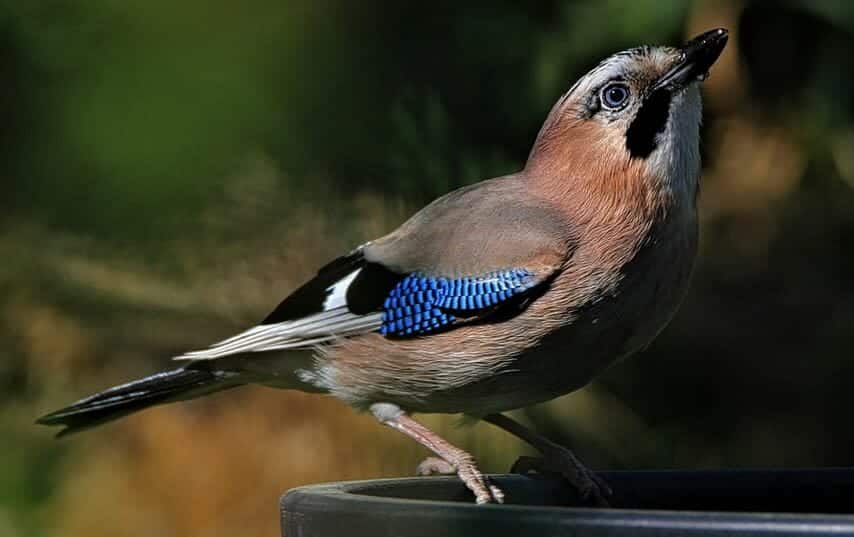
The Light-vented Bulbul, also commonly known as the Chinese Bulbul, is a distinctive and widespread songbird native to East Asia. Recognizable by its striking black and white head pattern and melodious calls, this bird has become a familiar presence in urban parks, gardens, and wooded areas across its range. Scientifically known as Pycnonotus sinensis, the Light-vented Bulbul belongs to the bulbul family, Pycnonotidae, a group renowned for their vocal abilities and adaptability to various habitats. This species plays an important role in its ecosystem as both a seed disperser and insect predator, making it a fascinating subject for birdwatchers and wildlife enthusiasts alike.
Scientific Classification
The Light-vented Bulbul is classified within the family Pycnonotidae, which encompasses around 150 species of bulbuls distributed primarily across Africa and Asia. Its scientific name, Pycnonotus sinensis, reflects its geographic association with China, where it is particularly common. The genus Pycnonotus groups together several similar bulbuls characterized by their medium size, soft plumage, and varied vocalizations. First described by the German naturalist Johann Friedrich Gmelin in 1789, the species has since been subject to several taxonomic studies, particularly regarding its subspecies differentiation. Currently, two recognized subspecies exist: P. s. sinensis, found mainly in mainland China and Korea, and P. s. hainanus, native to the island of Hainan and Taiwan. Some ornithologists also recognize populations in southern Japan as part of the same species, emphasizing the bird’s broad adaptability.
Geographic Range & Distribution
The Light-vented Bulbul inhabits a wide swath of East Asia, its range extending from eastern China and Taiwan through the Korean Peninsula and even reaching southern Japan. This species thrives in a variety of environments, from lowland forests and shrublands to urban gardens and parks, showcasing a remarkable ability to coexist with human development. In mainland China, it is one of the most commonly seen bulbuls and is especially prevalent in provinces such as Guangdong, Zhejiang, and Fujian. Taiwan hosts a distinct subspecies, where the bird is a familiar resident in both rural and urban settings. The species’ adaptability to different climates, from temperate to subtropical, allows it to maintain stable populations across its range. Seasonal movements are limited, as the Light-vented Bulbul is generally resident year-round, although some local altitudinal migrations occur in response to weather and food availability.



Physical Description
The Light-vented Bulbul is a medium-sized songbird measuring approximately 20 centimeters (8 inches) in length, with a wingspan of about 25 to 28 centimeters (10 to 11 inches). It typically weighs between 25 to 35 grams (0.9 to 1.2 ounces), making it lightweight and agile. Its most distinctive feature is the striking black-and-white coloration on its head. The bird’s crown and face are predominantly black, contrasted sharply by a broad white patch on the nape and the sides of the head, giving it a “light-vented” appearance that inspired its common name. The rest of its plumage is primarily olive-brown on the upperparts with a paler, whitish belly and chest. The tail is long and rounded, often flicked upward as the bird moves. Its legs and feet are typically dark gray or black, and the eyes are dark brown, framed by a subtle white eye-ring. The Light-vented Bulbul’s vocalizations are equally distinctive, with a clear, repetitive call often transcribed as “cha-ko-lee, cha-ko-lee,” which resonates through the habitats it frequents.
Behavior & Diet
The Light-vented Bulbul is an active and social bird, often observed in pairs or small groups as it forages through trees and shrubs. Its behavior is characterized by a lively and curious nature, frequently flicking its tail and head while vocalizing. The species is primarily arboreal but readily descends to lower vegetation or the ground to search for food. Its diet is omnivorous and highly varied, consisting mainly of fruits, berries, and small insects. Common food items include figs, mulberries, and other soft fruits, which it swallows whole and later disperses seeds through its droppings, contributing to forest regeneration. Insects and spiders form an important protein source, especially during the breeding season when energy demands are higher. The Light-vented Bulbul also occasionally feeds on nectar and small invertebrates. Its flexible diet and foraging strategies enable it to thrive in diverse environments, including heavily urbanized areas where it can exploit garden plants and fruiting trees. According to iNaturalist, this species is well documented.
Breeding & Reproduction
The breeding season for the Light-vented Bulbul typically spans from April to August, coinciding with warmer weather and abundant food resources. During this time, males perform singing displays to attract females, often from prominent perches. The species is monogamous, forming pairs that cooperate in nest building and chick rearing. The nest is a delicate, cup-shaped structure woven from grasses, roots, and twigs, usually placed in dense shrubs or low tree branches, often between 1 to 5 meters above the ground. Females lay 2 to 4 eggs per clutch, which are pale blue or greenish with fine speckles. Incubation lasts approximately 11 to 13 days and is primarily the female’s responsibility, although the male assists by bringing food. Once hatched, both parents feed the chicks a diet rich in insects to support rapid growth. The young fledge after around two weeks but may remain dependent on their parents for some time. The Light-vented Bulbul can produce multiple broods in a single breeding season if conditions are favorable. According to Smithsonian’s National Zoo, this species is well documented.
Conservation Status
The Light-vented Bulbul is currently classified as Least Concern on the International Union for Conservation of Nature (IUCN) Red List. This status reflects its widespread distribution, large population size, and adaptability to a range of habitats, including urban areas. Unlike many other bird species facing habitat loss and fragmentation, the Light-vented Bulbul has benefited from the expansion of parks, gardens, and agricultural land, which provide ample food and nesting opportunities. However, localized threats such as pesticide use, habitat degradation, and trapping in some regions could impact populations if not monitored. Conservation efforts focus mainly on habitat preservation and minimizing the use of harmful chemicals that could reduce insect availability. Given its popularity and visibility, the Light-vented Bulbul also serves as an excellent ambassador for urban biodiversity, helping raise awareness about the importance of green spaces in cities.
Interesting Facts
The Light-vented Bulbul’s vocal abilities are particularly notable. Its clear, melodious calls are often heard during early mornings and late afternoons, serving both territorial and social communication functions. Birdwatchers frequently identify this species by its distinctive song before spotting it visually. Another interesting aspect is its role as a natural seed disperser; by consuming fruits and excreting seeds at different locations, it promotes the growth of native plants and supports ecosystem health. The Light-vented Bulbul is also known to adapt well to human presence, sometimes nesting near homes and feeding from garden feeders. In Taiwan, the bird is culturally significant and often featured in local art and poetry, symbolizing vitality and the arrival of spring. Additionally, its ability to thrive in urban environments makes it an excellent indicator species for assessing the health of city ecosystems.
In conclusion, the Light-vented Bulbul (Pycnonotus sinensis) is a vibrant and adaptable member of East Asia’s avifauna. Its distinctive appearance, engaging behaviors, and ecological importance make it a fascinating species for anyone interested in birds or urban wildlife. As both a seed disperser and insect predator, it contributes to the balance of its habitats while delighting observers with its lively calls and striking plumage. The Light-vented Bulbul stands as a testament to the resilience of wildlife in the face of human expansion, reminding us of the rich biodiversity that thrives alongside us.